The story of smugglers contraband goods history reveals how secret networks moved valuable cargo beyond official control. From remote shorelines to concealed storage sites, these activities shaped local economies and folklore. Rottingdean Smugglers offers an accessible starting point for readers interested in understanding this intriguing chapter of maritime heritage.
Hidden cargo that shaped coastal communities
Contraband goods influenced far more than commerce alone. Their movement affected local livelihoods, community relationships, and the development of coastal settlements that became associated with smuggling activity.
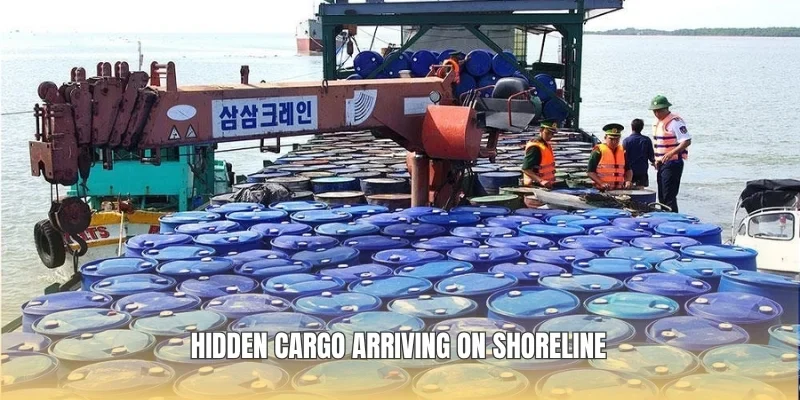
Why untaxed imports became highly desirable
Heavy taxation often made imported products significantly more expensive than consumers could afford. Smugglers capitalised on this situation by offering goods at lower prices while avoiding customs duties. Products such as tea, tobacco, spirits, and luxury fabrics became highly desirable because they were both fashionable and difficult to obtain legally at affordable rates.
Historical researchers studying smugglers contraband goods history frequently point out that demand rather than criminal intent often drove the trade. Consumers willingly purchased untaxed imports because they represented better value and greater accessibility.
How scarcity increased the value of secret goods
Scarcity played an important role in determining the worth of contraband merchandise. When access to imported products became restricted through taxation, regulation, or limited supply, their market value increased substantially. Smugglers benefited from this imbalance between availability and demand.
Commonly sought-after goods included:
- Tea imported from overseas markets
- Tobacco products from colonial trade routes
- Brandy and other imported spirits
- Fine textiles and luxury fabrics
The scarcity of these products created strong incentives for underground trading networks to expand their operations.
The role of coastal settlements in underground trade
Coastal villages provided ideal environments for discreet trading activity. Their proximity to shipping routes, hidden coves, and isolated beaches allowed goods to be landed quickly and distributed inland with reduced risk of detection.
| Settlement Feature | Benefit to Smuggling Networks |
| Remote beaches | Discreet landing locations |
| Coastal caves | Temporary cargo storage |
| Fishing communities | Maritime expertise |
| Inland pathways | Rapid distribution routes |
These advantages helped transform some coastal settlements into important centres within wider trading networks.
Rottingdean Smugglers and the movement of forbidden cargo
The transportation of contraband required careful planning and cooperation. Maritime traders developed methods that balanced efficiency, secrecy, and security while moving valuable cargo across coastal regions.

Methods used to transport goods unnoticed
Successful smuggling depended upon avoiding the attention of customs officials and coastal patrols. Traders frequently relied on small vessels capable of navigating shallow waters and accessing secluded landing sites. Goods were often unloaded at night and moved inland before dawn.
Experts examining smugglers contraband goods history note that transportation methods varied according to geography. Coastal routes, tidal conditions, and local knowledge influenced every stage of the process, demonstrating the adaptability of these networks.
Storage techniques that protected valuable shipments
Once goods reached shore, they required secure storage before distribution. Traders used a variety of locations, including barns, cellars, caves, and concealed chambers beneath ordinary buildings. These spaces protected merchandise from weather, theft, and official inspection.
| Storage Method | Purpose |
| Coastal caves | Temporary concealment |
| Cellars | Secure inland storage |
| Barns | Housing large cargo volumes |
| Hidden compartments | Protecting high-value items |
The choice of storage often reflected both practicality and the need for secrecy.
Communication systems that supported covert operations
Reliable communication allowed trading networks to coordinate arrivals, warn of patrols, and organise transportation. Before modern technology, participants relied on visual signals, coded messages, and trusted intermediaries.
Stories preserved by Rottingdean Smugglers often reference lantern signals and lookout systems used along the coastline. While some accounts have become part of local folklore, historical evidence suggests that practical communication methods played a vital role in supporting clandestine trade operations.
Lasting influence of contraband trade on local culture
The impact of smuggling extended beyond economics. Stories, artefacts, and traditions linked to contraband trade continue influencing how communities interpret and celebrate their maritime heritage today.
Legends inspired by nighttime landings
Nighttime cargo landings captured public imagination and inspired countless local legends. Tales of secret arrivals, hidden cargo, and daring escapes became part of coastal storytelling traditions passed through generations. These narratives helped shape the identities of communities connected to maritime trade.
Many of these stories blend historical events with folklore, creating compelling accounts that continue attracting interest from visitors and researchers alike.
Historical artifacts connected to secret commerce
Objects associated with smuggling provide valuable evidence of how these networks operated. Researchers examine containers, navigational instruments, storage equipment, and personal belongings to better understand daily life within trading communities.
Examples frequently displayed in heritage collections include:
- Cargo barrels and crates
- Maritime navigation tools
- Lanterns used for signalling
- Imported household goods
These artefacts offer tangible connections to a once-hidden world of coastal commerce.
How maritime stories continue to attract visitors
Interest in smugglers contraband goods history remains strong because it combines economic history, maritime adventure, and local folklore. Visitors are often drawn to museums, heritage trails, and exhibitions that explore the realities behind legendary coastal trade networks.
Organisations such as Rottingdean Smugglers help preserve and interpret these stories, ensuring that future generations can appreciate their significance. Through historical research, community engagement, and educational displays, they demonstrate how contraband trade shaped local culture and contributed to the rich maritime heritage of Britain’s coastline. The enduring fascination with secret cargoes and hidden routes reflects a broader interest in understanding the complex relationship between trade, regulation, and community life throughout history.
Conclusion
Learning about smugglers contraband goods history provides insight into trade, community life, and the challenges of regulating valuable commodities. The stories preserved by Rottingdean Smugglers help connect modern audiences with the past while encouraging deeper exploration of coastal heritage and historical traditions.