Rottingdean heritage open days offer one of the most rewarding free cultural experiences along the East Sussex coast. Each year, this beloved village event unlocks doors to historic buildings, hidden gardens, and centuries-old stories that rarely get shared with the public. Whether you are a first-time visitor or a returning local, these open days deliver genuine insight into what makes Rottingdean so uniquely special. From the chalk-white windmill to the quiet lanes lined with flint cottages, every corner holds a story worth discovering.
Rottingdean heritage open days: What to expect
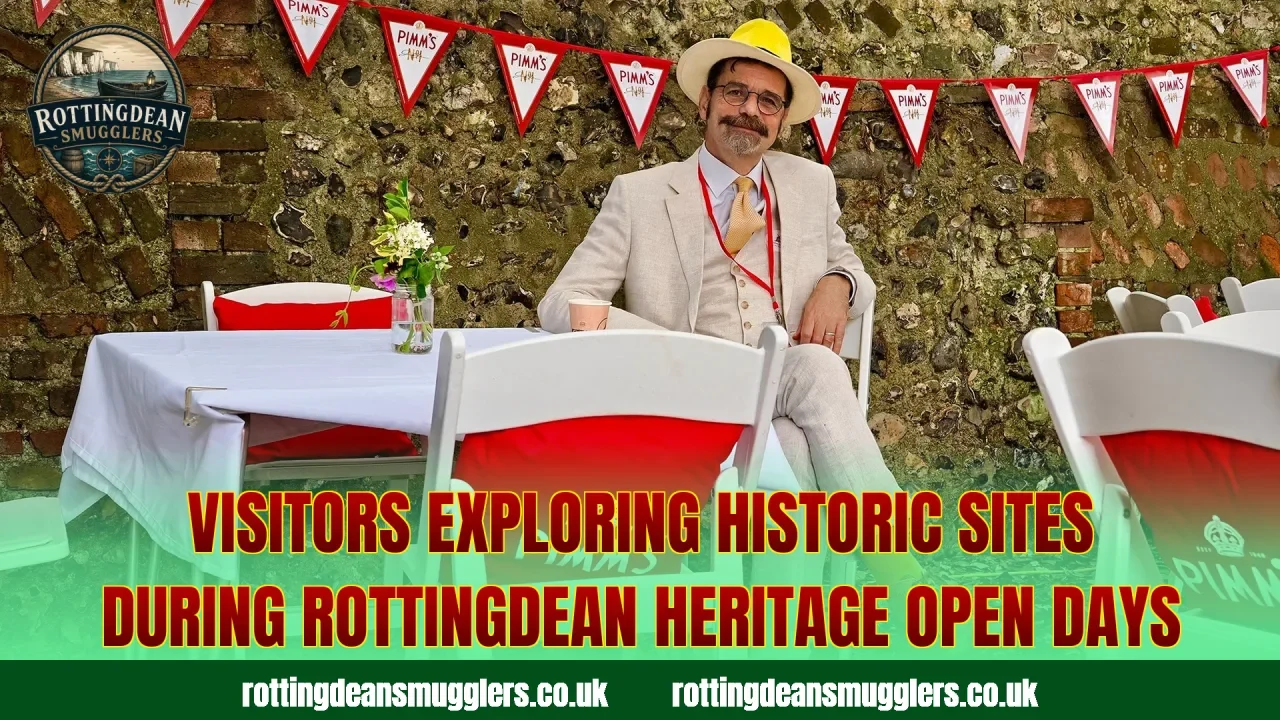
Every September, Rottingdean heritage open days bring the village to life in a way that no guided tour or museum brochure ever quite manages. Visitors gain free access to properties that are normally closed to the public, and the atmosphere throughout the weekend feels genuinely warm and community-driven. It is the kind of event where locals share stories with strangers, and history feels lived-in rather than displayed.
The history behind the annual event
Rottingdean heritage open days are part of the national Heritage Open Days programme, which runs across England every September and celebrates the country’s remarkable built and cultural heritage. The Rottingdean edition has grown steadily over the years, drawing visitors from Brighton, Lewes, and beyond who come specifically to explore this coastal village. It sits within a wider tradition of community-led heritage access that has been running nationally since 1994.
Key venues that open their doors
During Rottingdean heritage open days, several landmark sites participate, including the Grade II listed St Margaret’s Church, the historic Grange Museum and Art Gallery, and the famous Kipling Gardens. Each venue offers something distinct, whether that is original Victorian-era architecture, curated local art collections, or beautifully maintained walled gardens. The variety ensures that visitors of all ages and interests find something genuinely worth their time.
Free entry and what it covers
One of the most appealing aspects of Rottingdean heritage open days is that entry to all participating venues is completely free of charge. There are no booking fees, no hidden costs, and no need to register in advance for most locations. This open-access model reflects the spirit of the national programme, which believes that cultural heritage should be accessible to everyone regardless of background or budget.
Rottingdean heritage open days guide for first-timers
If you are planning your first visit to Rottingdean heritage open days, a little preparation goes a long way toward making the most of the weekend. The village is compact but rich in detail, and knowing which venues to prioritise helps you avoid missing the highlights. Most events run across two days, typically a Saturday and Sunday, with different venues offering different opening hours.

How to plan your visit effectively
Arriving early on the first morning of Rottingdean heritage open days gives you the best chance of speaking directly with knowledgeable volunteers at each venue. Many of the guides are local historians or long-term residents who bring personal anecdotes that you simply will not find in any printed leaflet. Picking up a programme from the village noticeboard or local shops before the crowds arrive also helps you map out your route efficiently.
Getting to Rottingdean from Brighton
Rottingdean sits just four miles east of Brighton city centre, making it an easy half-day trip during Rottingdean heritage open days. The number 27 bus runs regularly along the coast road and drops visitors close to the village green, which serves as a natural starting point for the heritage trail. Parking is available near the beach, though it fills quickly on busy heritage weekends, so arriving by bus or cycling along the seafront path is often the smarter choice.
Tips for families visiting with children
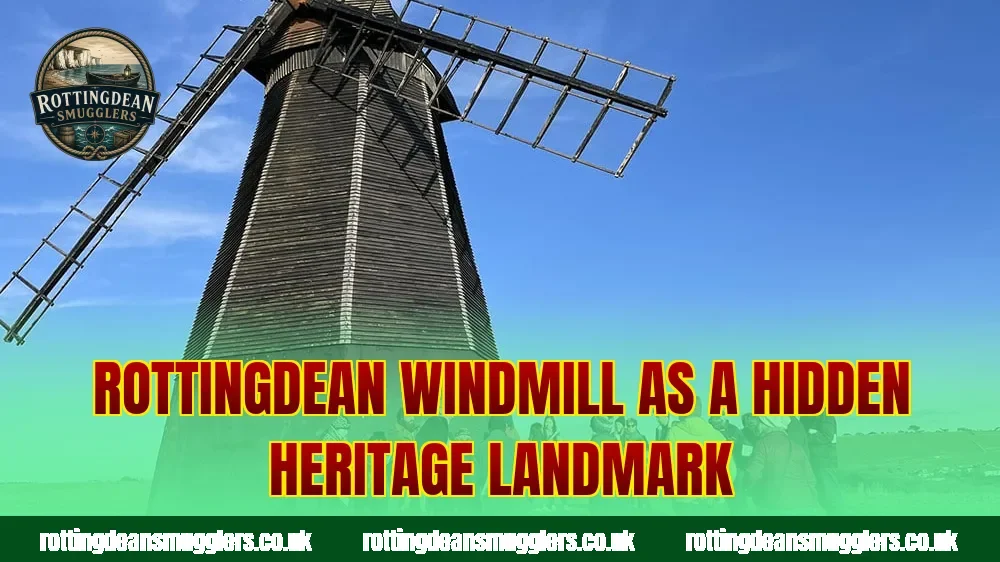
Families will find that Rottingdean heritage open days cater well to younger visitors, with several venues offering child-friendly activities and interactive displays during the open weekend. The windmill, in particular, tends to capture the imagination of children who enjoy climbing and exploring mechanical structures. Parents should check the programme in advance for any specific family-oriented sessions, as these tend to book up faster than general open hours.
Hidden gems and stories you should not miss
Beyond the well-known landmarks, Rottingdean heritage open days reveal layers of history that even regular visitors often overlook. The village has deep connections to Rudyard Kipling, Edward Burne-Jones, and a long tradition of coastal smuggling that shaped its character for centuries. These stories surface naturally during the open days, told by people who genuinely care about preserving them.
| Venue | Historical significance | Typical opening hours | Entry cost |
|---|---|---|---|
| St Margaret’s Church | Medieval origins, Burne-Jones windows | 10:00 – 16:00 | Free |
| The Grange Museum | Local art, Kipling memorabilia | 10:00 – 17:00 | Free |
| Rottingdean Windmill | 18th-century smock mill | 11:00 – 15:00 | Free |
| Kipling Gardens | Former home of Rudyard Kipling | 09:00 – 18:00 | Free |
| The Elms (exterior) | Kipling’s residence, 1897–1902 | Variable | Free |
The smuggling history that shaped the village
During Rottingdean heritage open days, the village’s smuggling past receives particular attention, with guided walks and storytelling sessions that trace the tunnels, hiding spots, and daring night-time runs that defined life here in the eighteenth century. The Rottingdean Smugglers were not mere folklore figures but real men who used the chalk cliffs and quiet coves to move contraband goods across the channel. Understanding this history adds a thrilling dimension to exploring the village’s narrow lanes and flint-walled cottages.
Rudyard Kipling’s connection to Rottingdean
Few visitors realise just how central Rottingdean was to Rudyard Kipling’s creative life before they attend Rottingdean heritage open days and hear the full story. Kipling lived at The Elms from 1897 to 1902, during which time he wrote some of his most celebrated works, including Kim and several of the Just So Stories. The heritage weekend provides rare access to spaces and archives connected to his time in the village, making it unmissable for literary enthusiasts.
The artistic legacy of Edward Burne-Jones
St Margaret’s Church contains some of the finest stained glass work by Pre-Raphaelite artist Edward Burne-Jones, and Rottingdean heritage open days give visitors the chance to appreciate these windows with expert commentary from local art historians. Burne-Jones spent summers in Rottingdean for many years and left a lasting visual imprint on the village that extends beyond the church. His influence is woven into the character of the place in ways that become clear only when someone knowledgeable takes the time to point them out.
Conclusion
Rottingdean heritage open days represent a rare opportunity to experience authentic English village history without spending a penny, and every visit tends to leave people wanting to return. The combination of free access, expert local guides, and genuinely fascinating stories makes this one of the best heritage weekends in East Sussex. To explore more of what this remarkable village has to offer, visit Rottingdean Smugglers and discover the full depth of its coastal history.
See more: Family Days Out In Rottingdean | Rottingdean Smugglers