Smuggling in 18th century England was not a fringe activity — it was a deeply rooted social phenomenon that shaped coastal communities, challenged royal authority, and left a lasting mark on British history. Contraband trade flourished across Sussex, Kent, and Cornwall, driven by punishing taxes on goods like tea, brandy, and silk. This article explores the hidden networks, notorious gangs, government crackdowns, and the surprising public sympathy that made smuggling one of the most complex criminal cultures England has ever seen.
Smuggling in 18th century England: The hidden trade
The scale of illegal trade during this era was staggering, touching nearly every layer of English society. Understanding why it thrived requires a close look at the economic and political conditions that made it almost inevitable.
Why taxation fuelled the contraband economy
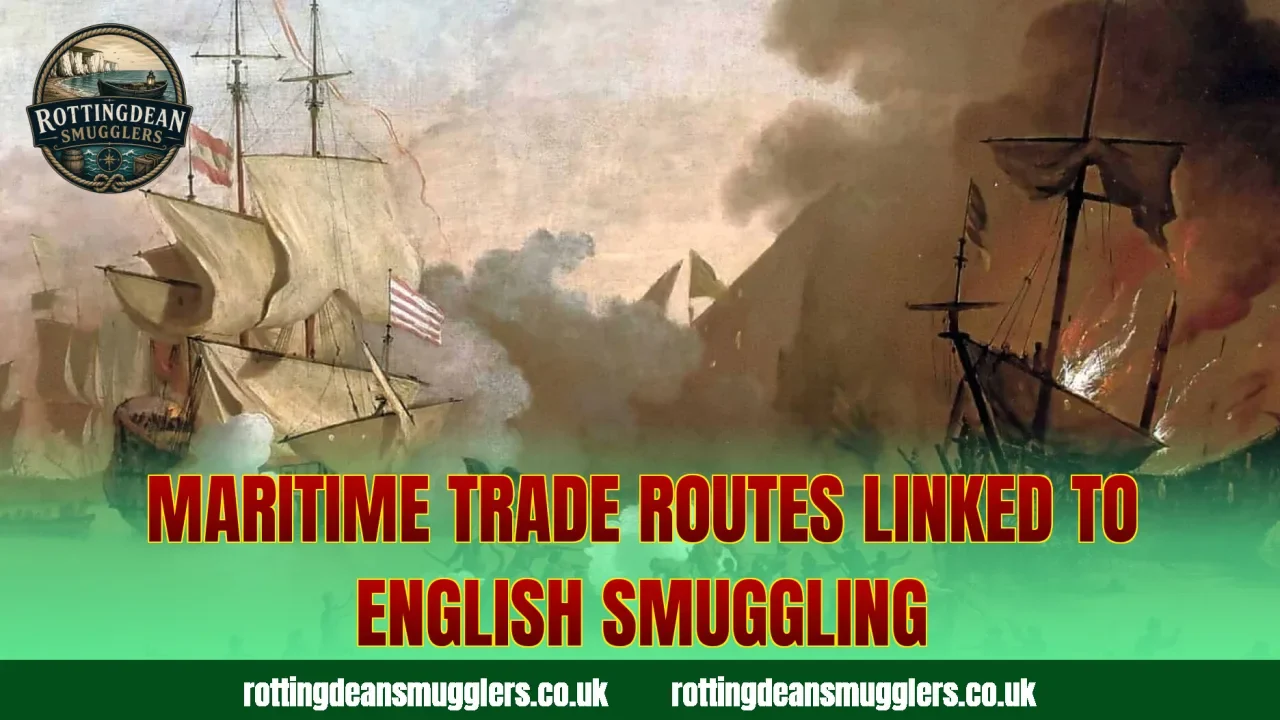
Smuggling in 18th century England grew directly from Britain’s aggressive use of customs duties to fund wars and imperial expansion. By the 1720s, taxes on tea had risen so sharply that smuggled tea accounted for over half of all tea consumed in the country. Ordinary people saw little moral wrong in bypassing a tax system they viewed as unjust and disconnected from their daily hardships.
The goods that crossed the channel illegally
Brandy, gin, lace, tobacco, and silk were among the most profitable contraband items moving between France and England’s southern shores. The profit margins were extraordinary — a single successful run could yield returns that dwarfed a laborer’s annual wage. These goods were not luxuries reserved for the wealthy; they circulated widely among working-class households who simply could not afford the taxed versions.
Coastal geography as a smuggler’s greatest asset
The jagged coves, shallow inlets, and cliff-lined beaches of Sussex and Kent made interception by customs officers extremely difficult. Villages like Rottingdean, Rye, and Hastings sat at the heart of thriving smuggling in 18th century England corridors, with local geography practically designed for covert landings. Fishermen who knew every tidal pattern and hidden path became indispensable to the organized gangs running these operations.
Smuggling in 18th century England and organized gangs
What began as informal community trade eventually evolved into highly structured criminal enterprises with their own codes, territories, and methods of enforcement. The gangs that emerged were powerful enough to intimidate local magistrates and even corrupt customs officials.
The Hawkhurst Gang’s reign of terror
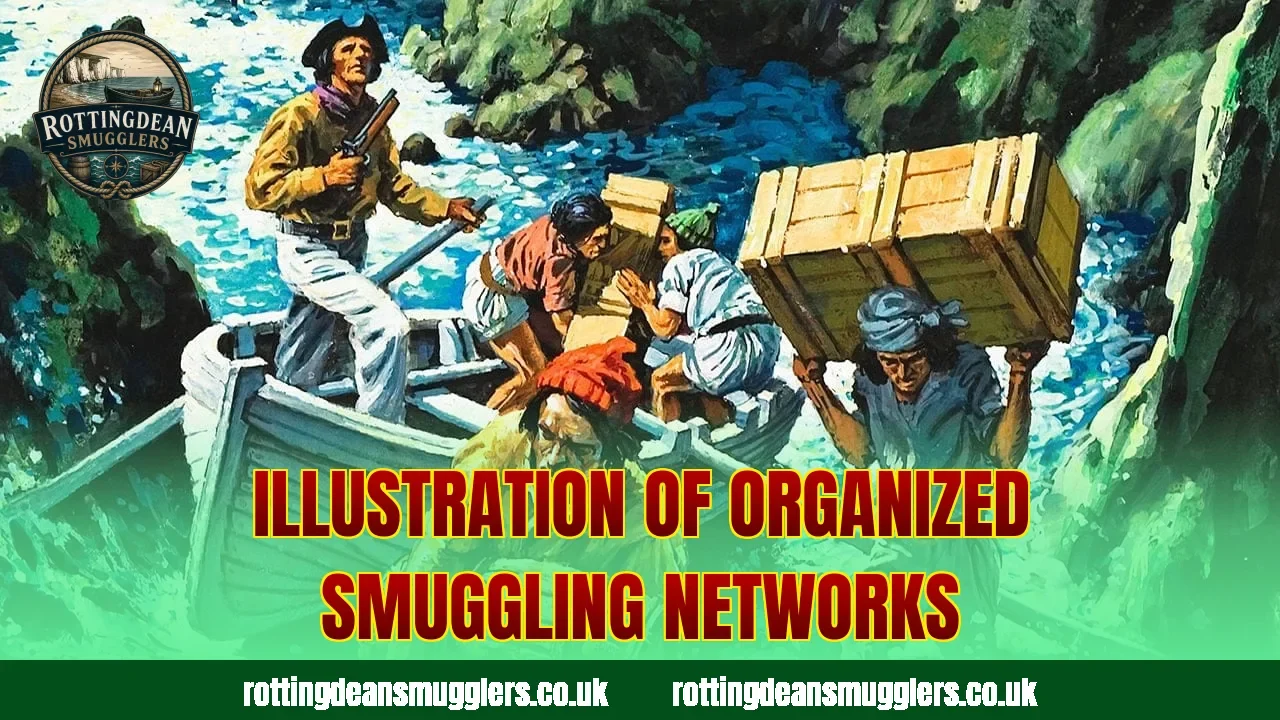
Smuggling in 18th century England reached its most violent expression through gangs like the Hawkhurst Gang, which operated across Sussex and Kent from the 1730s to the 1750s. They were not simply opportunistic traders — they used brutal intimidation, murder, and open defiance of the law to protect their operations. Their eventual downfall came only after a series of high-profile atrocities forced the government to act decisively against them.
How gang networks operated across counties
Smuggling in 18th century England gangs relied on intricate networks of lookouts, carriers, storekeepers, and financiers spread across multiple counties. Farmers hid barrels in haystacks, innkeepers maintained secret cellars, and clergy sometimes turned a blind eye to activity happening beneath their church floors. This web of complicity made it nearly impossible for customs officers to dismantle operations without facing community resistance at every turn.
Government response and the battle for control
The Crown’s attempts to suppress the contraband trade grew increasingly aggressive throughout the century, reflecting just how serious the economic and social threat had become. New legislation, military deployments, and expanded customs forces all formed part of a long and often unsuccessful campaign.
The Smuggling Act of 1736 and its limits
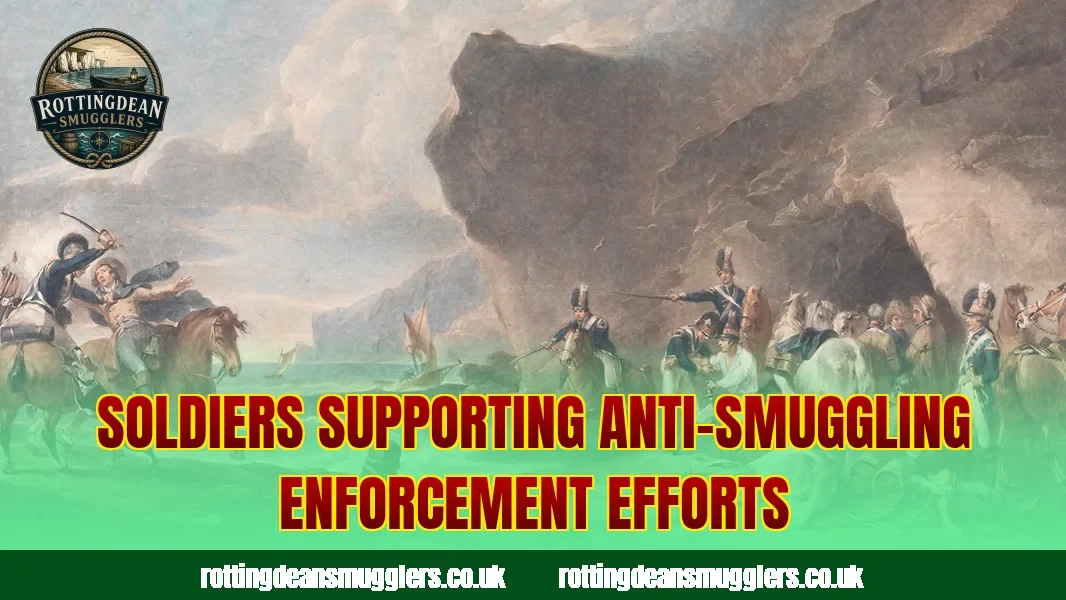
Parliament passed increasingly severe legislation in an attempt to deter those involved in the contraband trade, with the 1736 Smuggling Act introducing the death penalty for armed smuggling in 18th century England. Despite the harshness of these measures, convictions remained rare because juries drawn from local communities were reluctant to condemn their neighbors. The law existed on paper far more effectively than it did in practice along the English coastline.
Revenue cutters and the customs service
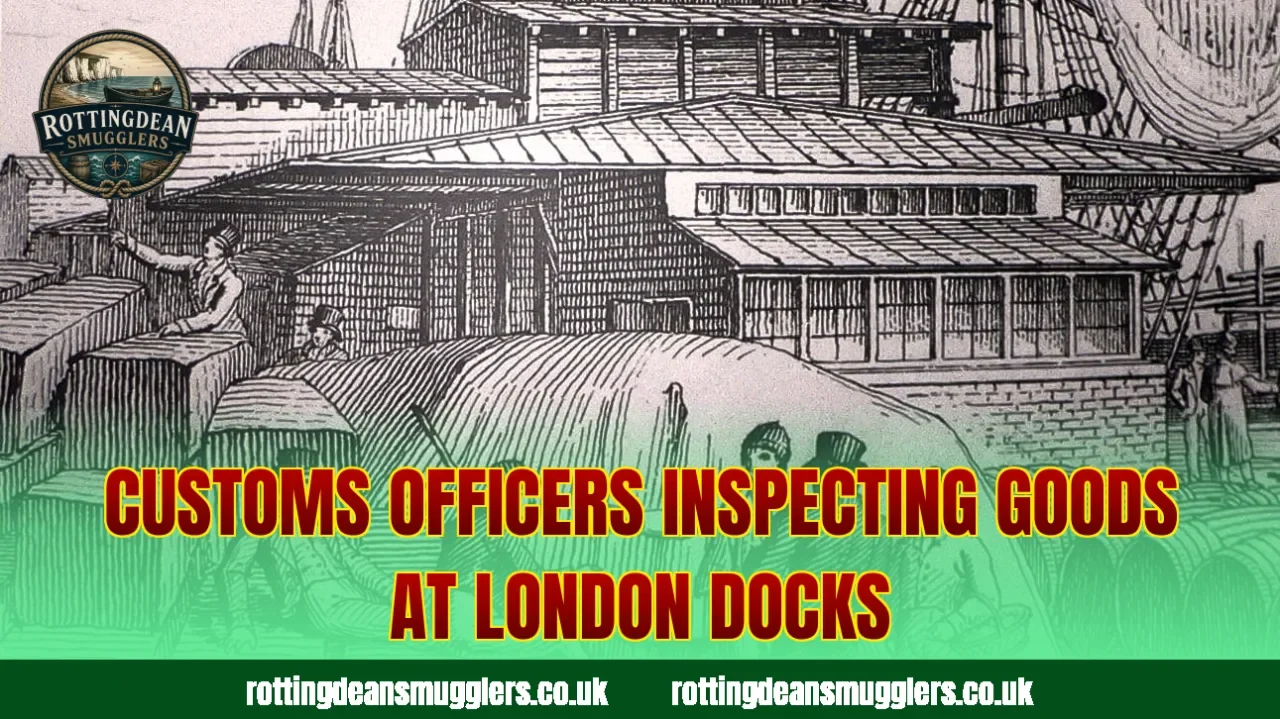
The British government deployed revenue cutters — fast, armed vessels — to patrol coastal waters and intercept smuggling in 18th century England runs before goods could reach shore. These ships were often outmanned and outmaneuvered by experienced smugglers who knew the local waters far better than any government sailor. Corruption within the customs service itself further undermined enforcement, with some officers accepting bribes or actively participating in the trade they were meant to stop.
How free trade reforms eventually ended the era
The most effective blow against widespread smuggling in 18th century England came not from military force but from economic reform. William Pitt the Younger’s Commutation Act of 1784 dramatically reduced duties on tea, instantly removing the financial incentive that had driven the trade for decades. As tax rates fell to levels where legal goods became genuinely competitive, the mass-market smuggling economy that had defined the century began to collapse from within.
Key facts about smuggling in 18th century England
The following table summarizes some of the most significant aspects of the contraband trade during this period, offering a clear overview of its scale, key players, and historical turning points.
| Aspect | Detail |
|---|---|
| Peak period | 1700s–1780s, particularly along the Sussex and Kent coasts |
| Most smuggled goods | Tea, brandy, tobacco, lace, silk, and playing cards |
| Most notorious gang | The Hawkhurst Gang, active 1730s–1750s |
| Key legislation | Smuggling Act 1736, Hovering Act 1718, Commutation Act 1784 |
| Estimated tea smuggled | Over 50% of all tea consumed in England by mid-century |
| Primary smuggling regions | Sussex, Kent, Cornwall, and parts of the Welsh coastline |
| Decline trigger | Commutation Act 1784 reduced tea duty from 119% to 12.5% |
The cultural legacy left behind by smugglers
Beyond the economics and the violence, the contraband trade embedded itself deeply into English folklore, literature, and local identity. Its cultural imprint has proven far more durable than any of the gangs that once ran it.
Smugglers in English literature and folklore
Writers from Rudyard Kipling to Daniel Defoe drew on the romantic and dangerous world of the free trader to craft some of their most vivid characters and scenes. Kipling’s famous poem “A Smuggler’s Song” captured the complicit silence of entire villages protecting their contraband runners. This literary tradition helped transform historical criminals into folk heroes, softening the very real violence and corruption that underpinned the trade.
Hidden tunnels, secret cellars, and ghost stories
Many English coastal villages still contain physical evidence of the trade — hidden tunnels beneath pubs, concealed cellars under farmhouses, and bricked-up passages in old churches. These spaces were not mythological additions to local legend; they were practical infrastructure used to store and move goods away from the eyes of customs officers. Today they attract tourists and historians alike, offering tangible connections to a period when an entire coastline operated in deliberate defiance of the law.
How Rottingdean became a smuggling landmark
The village of Rottingdean, perched on the Sussex cliffs east of Brighton, was one of the most active smuggling in 18th century England hubs of the entire century. Its clifftop location, proximity to French supply routes, and tight-knit community made it an ideal base for organized contraband operations. The Rottingdean Smugglers remain one of the most documented and celebrated examples of how deeply this trade shaped the identity of a single English community.
Conclusion
Smuggling in 18th century England was far more than a criminal footnote — it was a defining feature of Georgian society, shaped by inequality, geography, and a government that taxed its people beyond endurance. To learn more about the real people and places behind this history, visit Rottingdean Smugglers and discover the stories that have survived centuries of retelling.
Xem thêm: Famous Smugglers Of Sussex | Rottingdean Smugglers