
Brighton to Rottingdean walking tour is one of the most rewarding coastal routes along the East Sussex shoreline. This path takes you past dramatic chalk cliffs, hidden coves, and sweeping sea views that few visitors ever get to experience on foot. Whether you are a seasoned hiker or a casual weekend explorer, this guide covers everything you need — distances, landmarks, difficulty levels, and insider tips to make your walk truly memorable.
Brighton to Rottingdean walking tour: the full path overview
Starting this walk correctly sets the tone for the entire journey. The route stretches roughly 4.5 miles from Brighton Marina eastward along the undercliff path toward the village of Rottingdean, offering a well-maintained trail suitable for most fitness levels.
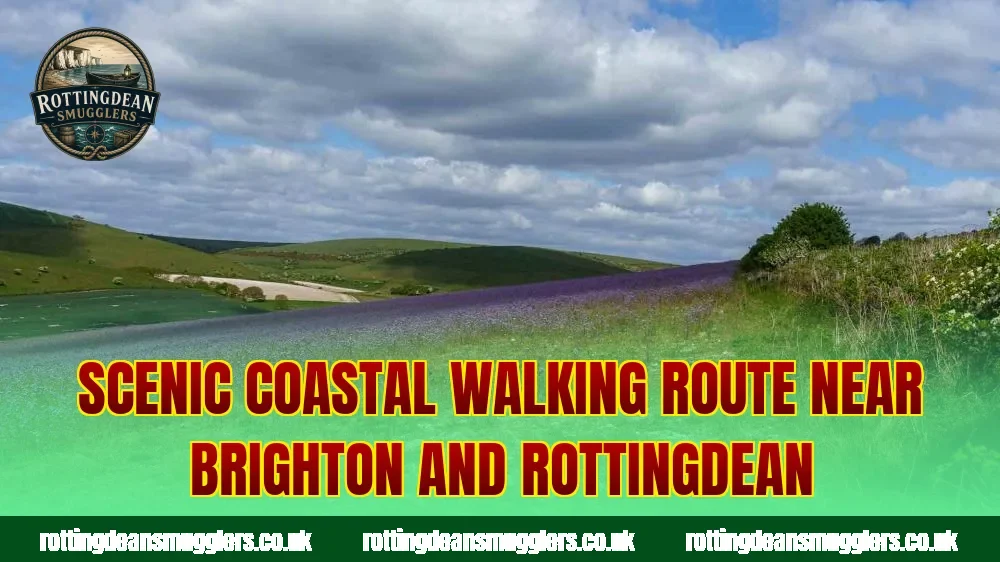
Where the coastal path begins
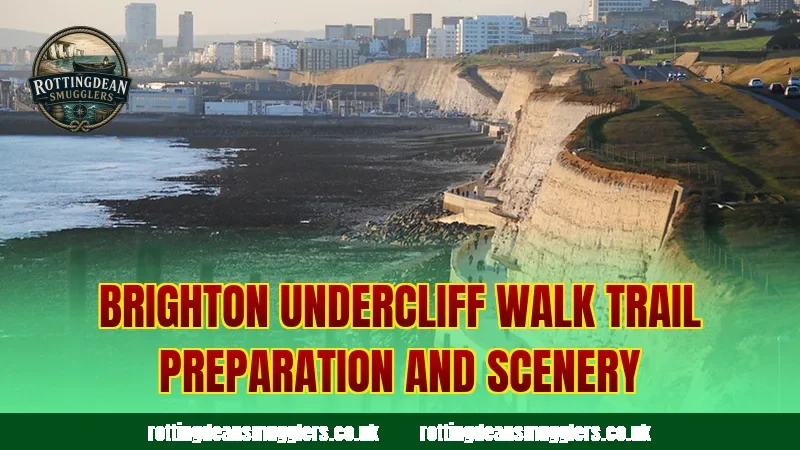
The Brighton to Rottingdean walking tour officially starts at Brighton Marina, one of the largest marina complexes in Europe. From here, walkers follow the lower promenade path that hugs the base of the chalk cliffs, keeping the English Channel directly to the south. The path is paved for most of this section, making it accessible even for those with pushchairs or light footwear.
Key landmarks along the undercliff trail
As you move eastward, the Saltdean Lido and Ovingdean Gap appear as natural resting points along the route. The chalk cliff faces tower above you throughout the mid-section, and the geological layers visible in the rock tell millions of years of coastal history. Wildflowers cling to the cliff edges in spring and summer, adding colour to the pale white stone that defines this stretch of Sussex coastline.
Reaching the village of Rottingdean
The final approach into Rottingdean descends gently through the gap in the cliffs, revealing a charming flint-walled village that feels worlds apart from Brighton’s busy seafront. The village pond, the historic church, and the famous Kipling Gardens are all within easy walking distance once you arrive. Most walkers complete this leg in under two hours, making it a very achievable half-day outing.
Brighton to Rottingdean walking tour: difficulty and timing tips
Understanding the physical demands of this route helps you plan your day far more effectively. The Brighton to Rottingdean walking tour is generally considered low to moderate in difficulty, though tidal conditions and wind exposure near the cliffs deserve careful attention before you set off.
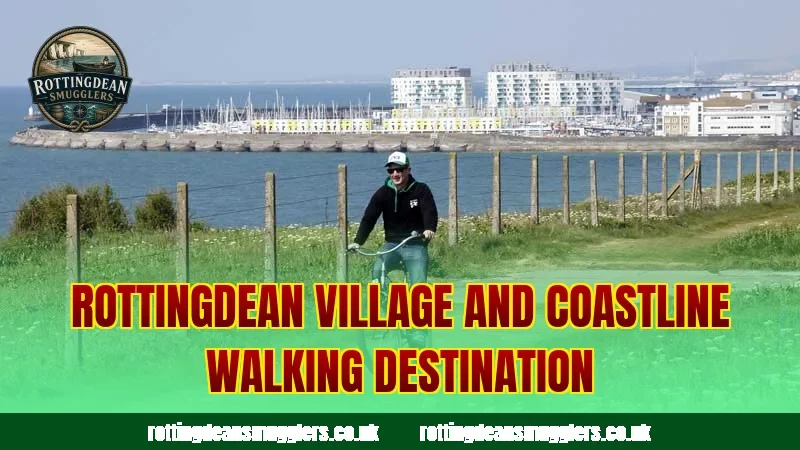
Best seasons for coastal walking here
Spring and early autumn deliver the most comfortable walking conditions on this coastal path. Summer weekends can get crowded near Brighton Marina, so arriving early in the morning allows you to enjoy the quieter stretches of the undercliff route. Winter walks are possible but require extra caution, as strong Channel winds and occasional path flooding near the lower sections can make conditions unpredictable.
How long does the full walk take
Most walkers completing the Brighton to Rottingdean walking tour at a relaxed pace will finish in approximately one and a half to two hours one way. Adding time for photography, rest stops, and exploring Rottingdean village itself, a comfortable half-day allows you to enjoy the experience without rushing. If you prefer a circular route, the upper cliff path back to Brighton adds another forty-five minutes but rewards you with panoramic views from above.
Tidal awareness and safety on the lower path
The lower undercliff promenade is accessible at all tide levels, which makes it a reliable choice regardless of when you visit. However, some sections closer to Rottingdean Gap can experience wave spray during high tide combined with strong winds, so checking the Met Office forecast before you leave is always a sensible precaution. Wearing grip-soled footwear significantly reduces any risk on wet paved sections near the cliff base.
History, heritage, and hidden stories along the way
This coastal walk carries far more history than its scenic beauty might initially suggest. From Victorian bathing machines to wartime defences and centuries-old smuggling routes, the landscape between Brighton and Rottingdean holds layers of fascinating human stories waiting to be discovered.

| Landmark | Location on route | Historical significance |
|---|---|---|
| Brighton Marina | Start point | Built in the 1970s on former chalk reef |
| Ovingdean Gap | Midway point | Historic smugglers’ landing site |
| Rottingdean Gap | Near end of route | Traditional fishing and smuggling access point |
| Kipling Gardens | Rottingdean village | Former home of author Rudyard Kipling |
| St Margaret’s Church | Rottingdean village | Norman-era church with Pre-Raphaelite windows |
Smugglers’ routes hidden beneath the cliffs
The Brighton to Rottingdean walking tour follows ground that was once a busy corridor for 18th-century smugglers moving contraband inland from the Sussex coast. Rottingdean in particular was a notorious hub for the Rottingdean Smugglers gang, who used the gap in the cliffs to land goods under cover of darkness. Walking this path today, it is easy to imagine the secrecy and danger that defined life in these quiet coastal communities just a few centuries ago.
Rudyard Kipling’s connection to Rottingdean
Rudyard Kipling lived in Rottingdean from 1897 to 1902, drawn to the village’s quiet character and coastal setting. The house he occupied, known as The Elms, still stands on the village green and is visible as you explore the village after completing your walk. His presence here influenced some of his most celebrated writing, and the Kipling Gardens adjacent to the village pond serve as a peaceful tribute to his time in this corner of Sussex.
Victorian bathing culture along this coastline
During the Victorian era, the beaches between Brighton and Rottingdean were popular destinations for sea bathing, considered highly fashionable and medically beneficial at the time. Bathing machines — wheeled wooden huts that rolled into the surf — were once a common sight along this very stretch of shingle beach. Interpretive information boards placed along the undercliff path provide walkers with context about this colourful chapter of East Sussex social history.
Practical tips before you start walking
Good preparation makes a significant difference to how much you enjoy any coastal walk. The following points cover the essentials that experienced walkers recommend for anyone planning the Brighton to Rottingdean walking tour for the first time.
- Parking and transport: Brighton Marina has paid parking available, and regular bus services connect Brighton city centre to the marina. The number 27 bus also runs between Brighton and Rottingdean, making a one-way walk with a bus return very convenient.
- What to bring: Carry water, a light windproof jacket, and sunscreen even on overcast days, as coastal UV exposure can be surprisingly strong. A small backpack keeps your hands free for the occasional scramble near the cliff base.
- Refreshments along the route: The Saltdean Café near the lido offers a midway stop for hot drinks and snacks. Rottingdean village itself has several cafés and the historic White Horse pub, which makes an excellent reward at the end of your walk.
- Accessibility: The lower undercliff promenade is largely flat and paved, making it one of the more accessible coastal paths in the region. Wheelchair users and those with mobility aids can complete most of the route without difficulty.
- Dogs on the path: Dogs are welcome along the entire undercliff route and are a common sight throughout the year. Keep them on leads near the cliff edges and be mindful of other walkers on busy summer weekends.
Conclusion
Brighton to Rottingdean walking tour delivers a genuinely rewarding coastal experience that combines natural beauty, rich history, and accessible terrain in one well-connected route. From the chalk cliffs and smugglers’ gaps to Kipling’s gardens and a welcoming village pub, every step of this path offers something worth discovering. Visit Rottingdean Smugglers to explore more local history, hidden stories, and everything this remarkable corner of East Sussex has to offer.
See more: Best coastal walks in Brighton — scenic trails worth exploring along the East Sussex shore.