Rottingdean village tour guide is your essential companion for exploring one of East Sussex’s most captivating coastal settlements. Nestled between Brighton and the chalk cliffs of the South Downs, Rottingdean blends literary heritage, smuggling history, and timeless English charm into a single unforgettable destination. Whether you’re a first-time visitor or a seasoned traveller, knowing where to go and what to look for makes every difference in how deeply you experience this remarkable village.
Rottingdean village tour guide: What makes it special
Few English villages pack as much history and character into such a compact space as Rottingdean does. Walking its narrow lanes reveals centuries of stories layered beneath every flint wall and thatched rooftop.
A village shaped by centuries of coastal life
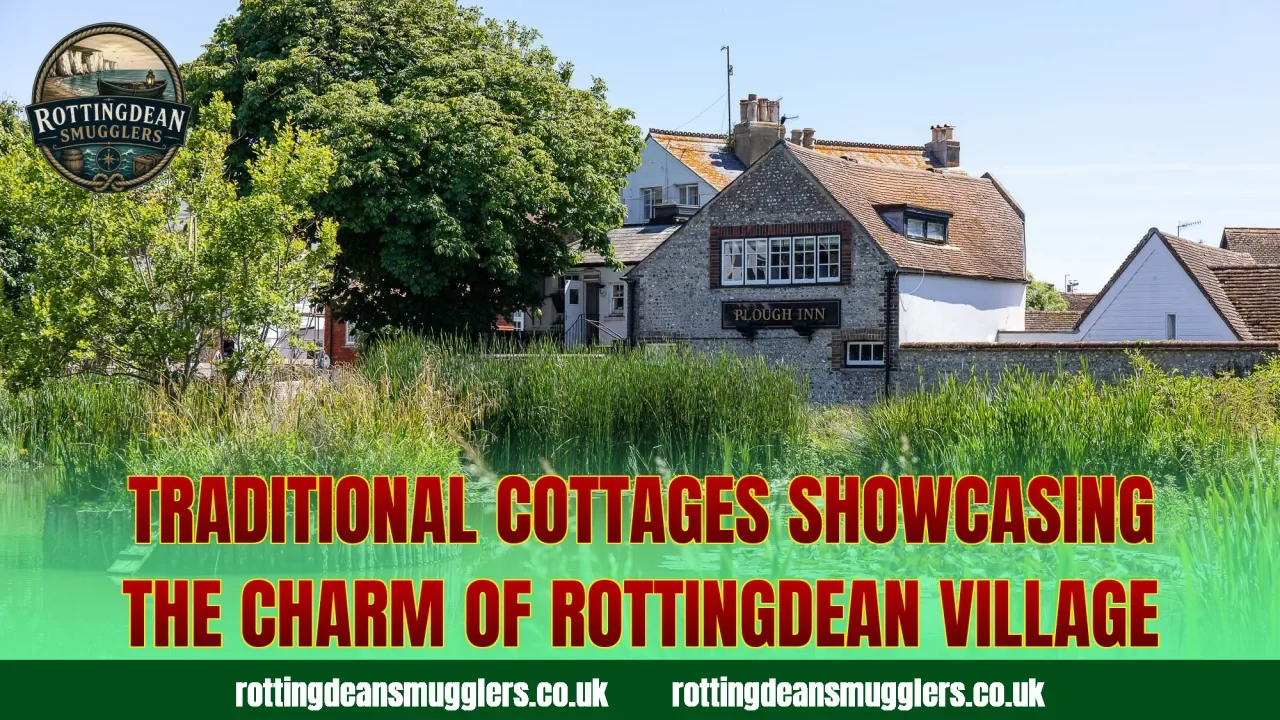
The Rottingdean village tour guide experience begins the moment you step onto The Green, the heart of the village where locals have gathered for generations. This central open space is flanked by Georgian and Victorian architecture that speaks quietly of prosperity earned through trade, fishing, and less legal enterprises. The pond on The Green still reflects the same sky that once watched smugglers slip past under cover of darkness.
Literary giants who called it home
Rottingdean attracted some of Britain’s most celebrated creative minds during the late Victorian era, drawing writers and artists to its peaceful lanes. Rudyard Kipling lived at The Elms from 1897 to 1902, and his presence here profoundly influenced several of his most beloved works. The village also welcomed Edward Burne-Jones, whose stained glass designs still grace the windows of St Margaret’s Church today.
Architecture that tells its own story
Every corner of Rottingdean rewards careful attention, from the flint-faced cottages along High Street to the windmill perched above the village on the Downs. The Rottingdean village tour guide reveals how local builders used Sussex flint not just for practicality but as a form of regional identity. These buildings have survived wars, storms, and the relentless pressure of coastal development, standing as quiet monuments to craftsmanship.
Rottingdean village tour guide: Top landmarks to visit
Knowing which landmarks deserve your time transforms a casual stroll into a genuinely enriching experience. The village is compact enough to explore on foot, yet rich enough to fill an entire day with meaningful discovery.
St Margaret’s Church and its hidden treasures
The Rottingdean village tour guide consistently points visitors toward St Margaret’s Church as the single most rewarding stop in the village. Founded in the 12th century, the church contains Pre-Raphaelite stained glass windows designed by Edward Burne-Jones, which alone justify the journey from Brighton. The churchyard also holds the graves of several notable residents, offering a quiet place to reflect on the layers of history beneath your feet.
The Grange museum and local heritage
The Grange, situated beside The Green, serves as both a public library and a local museum dedicated to preserving Rottingdean’s rich cultural memory. Inside, visitors find collections relating to Kipling, Burne-Jones, and the broader history of the village and its surrounding landscape. The building itself is architecturally significant, and its walled garden provides a tranquil retreat from the coastal breeze that sweeps in from the Channel.
The beach and undercliff walk to Brighton
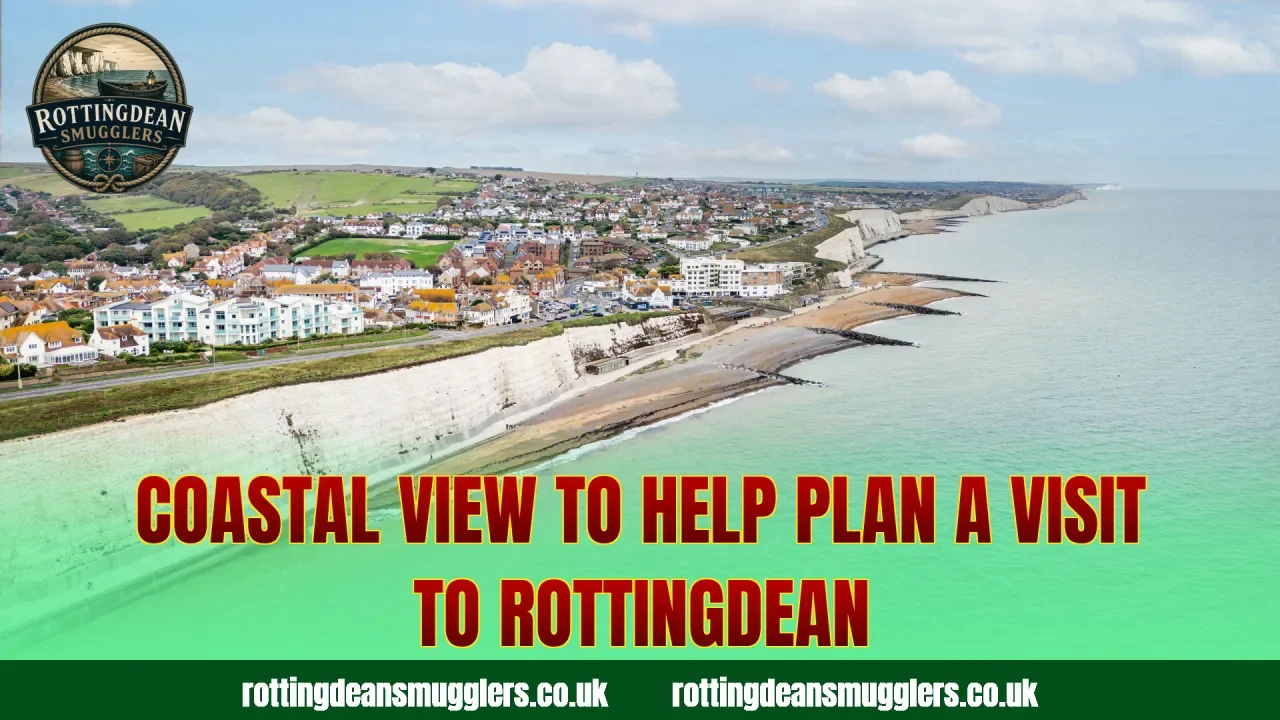
Rottingdean’s beach sits at the base of dramatic chalk cliffs that define this stretch of the East Sussex coastline. The undercliff walk connecting the village to Brighton is one of the most scenic coastal paths in the southeast, offering uninterrupted views across the English Channel. A proper Rottingdean village tour guide will always recommend this walk at low tide when the chalk reef is exposed and the colours of the cliffs are most vivid.
Hidden history: Smugglers, tunnels, and secret routes
No honest account of Rottingdean would be complete without addressing its deeply embedded smuggling heritage. The village was once a key node in a sophisticated network of contraband routes that stretched across the South Downs and into the heart of Sussex.
The Rottingdean smuggling gang’s bold operations
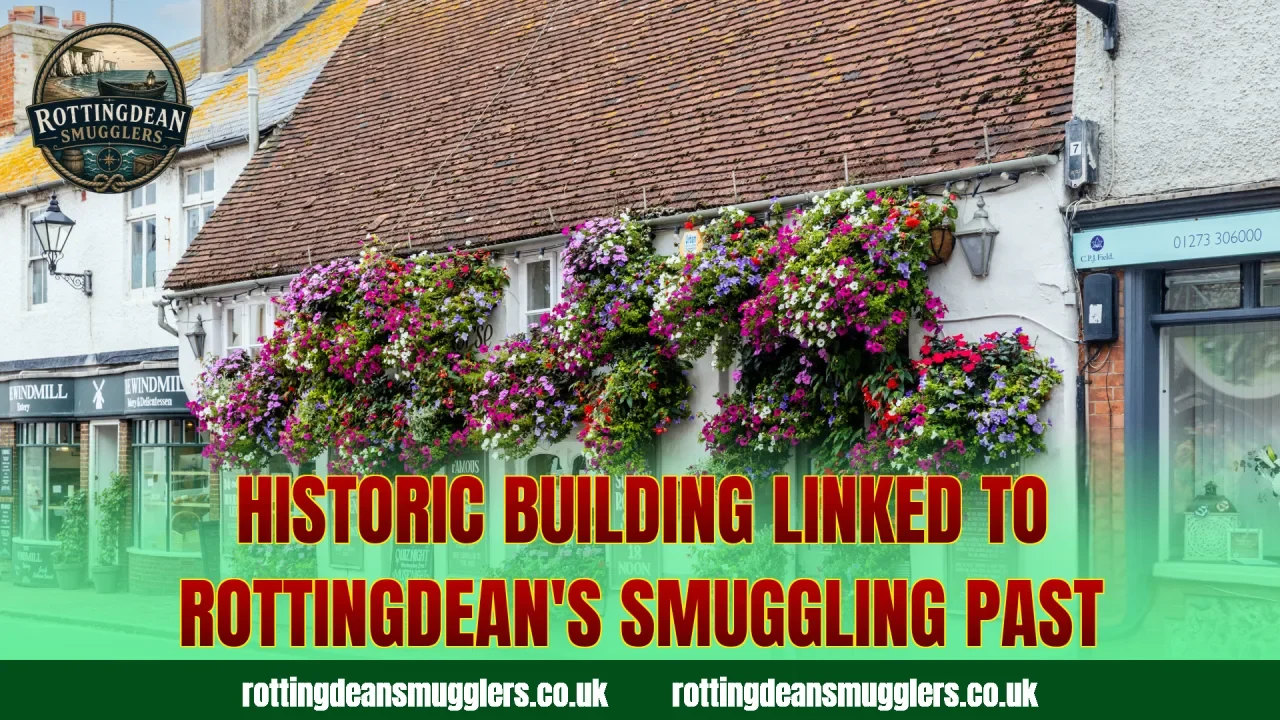
During the 18th century, the Rottingdean Gang operated one of the most active smuggling networks along the Sussex coast, moving brandy, tea, and silk under the noses of excise officers. The Rottingdean village tour guide draws on historical records to map out the routes these men used, many of which passed directly through the village centre and up onto the Downs. Their boldness was legendary, and local folklore still celebrates their cunning with a mixture of admiration and dark humour.
Underground tunnels and the village’s secret geography
Persistent local tradition holds that a network of tunnels once ran beneath Rottingdean, connecting cellars, the church, and the coastline to allow rapid movement of contraband goods. While not all of these claims have been verified archaeologically, some physical evidence does support the existence of concealed storage spaces beneath certain older properties. The tunnel stories remain one of the most compelling aspects of any visit, adding a layer of mystery that no amount of guidebook prose can fully capture.
Walking the old smugglers’ paths today
Many of the ancient trackways used by Rottingdean’s smugglers survive as public footpaths across the South Downs today. The Rottingdean village tour guide highlights several of these routes, allowing modern walkers to follow the same chalk ridgelines that once carried contraband cargoes inland under moonlight. Walking these paths with knowledge of their history transforms an ordinary countryside ramble into something genuinely atmospheric and historically grounded.
Practical tips for planning your visit
Getting the most from Rottingdean requires a little planning, particularly around transport, timing, and what to bring for the coastal weather conditions that can change quickly in this part of Sussex.
| Aspect | Details |
|---|---|
| Best time to visit | Late spring to early autumn for coastal walks and outdoor exploration |
| Getting there | Bus 27 from Brighton city centre runs directly to Rottingdean village |
| Parking | Limited free parking near The Green; arrive early during summer weekends |
| Walking duration | Full village circuit takes approximately 2–3 hours at a relaxed pace |
| Key landmarks | St Margaret’s Church, The Grange, The Green, windmill, undercliff walk |
| Smuggling heritage | Guided tours available through Rottingdean Smugglers for deeper historical context |
What to wear and bring on your tour
The coastal microclimate around Rottingdean means conditions can shift from warm sunshine to sharp sea wind within the same afternoon, so layering is always sensible. Sturdy footwear is essential if you plan to walk the chalk paths above the village or explore the beach and reef at low tide. The Rottingdean village tour guide recommends bringing a camera, a small packed lunch, and a willingness to wander without a strict schedule to fully absorb what the village offers.
Combining your visit with nearby attractions
Rottingdean sits within easy reach of Brighton’s cultural attractions, the South Downs National Park, and the historic town of Lewes, making it an ideal hub for a multi-day East Sussex itinerary. Visitors with a specific interest in smuggling history can extend their exploration along the Smugglers Trail, which connects several key sites across the region. Planning a combined visit allows you to understand Rottingdean not as an isolated curiosity but as part of a much larger and richer coastal landscape.
Dining and refreshments in the village
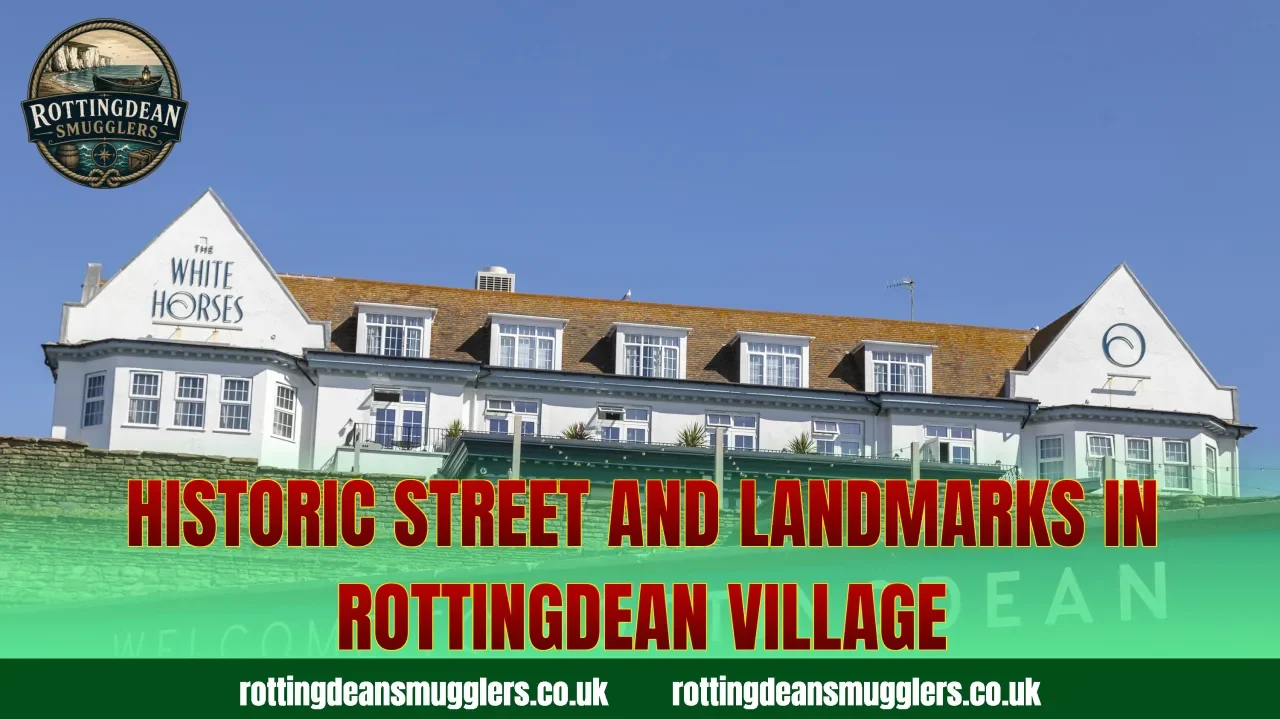
The village offers a handful of characterful pubs and cafés that provide welcome stops between landmark visits, with The Black Horse and The White Horse being the two most historically significant drinking establishments. Both pubs have deep roots in the village’s social history and, according to some accounts, connections to the smuggling trade that once defined the local economy. The Rottingdean village tour guide suggests finishing a day’s exploration with a meal at one of these venues, where the atmosphere alone rewards the effort of the journey.
Conclusion
Rottingdean village tour guide brings together history, landscape, and living heritage in a way that few destinations along the English coast can match. From Pre-Raphaelite art and literary legacy to the thrilling shadow of 18th-century smuggling, this village rewards every curious visitor who takes the time to look beneath its surface. Explore the full story with Rottingdean Smugglers and discover guided experiences that bring the village’s most extraordinary chapter vividly to life.
Xem thêm: Smugglers trail East Sussex – Walking The Paths