Sussex smuggling history reveals a fascinating chapter of Britain’s coastal past, when secluded beaches, dark nights, and local knowledge helped smugglers move valuable goods. From Brighton and Rottingdean to Rye and Hastings, Sussex became closely associated with secret landings, underground networks, and dramatic encounters with the law.
The Origins of Sussex Smuggling History
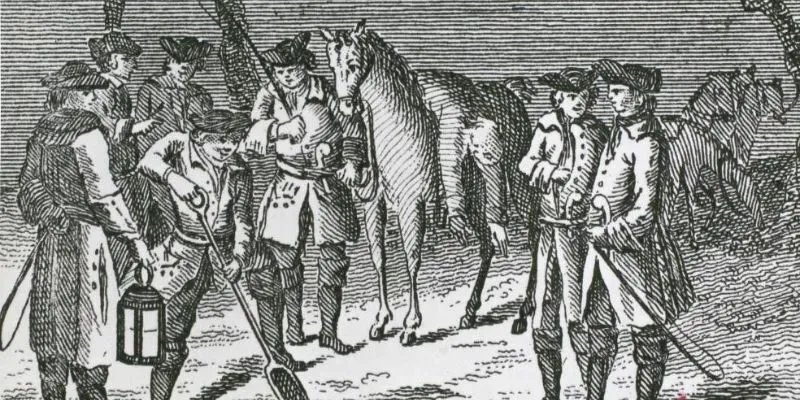
The story developed through a combination of geography, taxation, trade restrictions, and strong local connections. Sussex offered many coastal locations where small boats could approach the shore away from busy ports.
Why Sussex Became a Smuggling Centre
Sussex smuggling history was strongly influenced by the county’s coastline. Numerous beaches, cliffs, coves, and small landing points made it difficult for customs officers to monitor every vessel. Smugglers could use darkness, fog, and local knowledge to avoid detection. The proximity of Sussex to continental Europe also made cross-Channel movement relatively practical.
Taxes and the Demand for Cheap Goods
High duties on products such as tea, tobacco, spirits, and other imported goods created an attractive market for illegal trade. Sussex smuggling history therefore cannot be separated from the economic conditions of the eighteenth and early nineteenth centuries. When legal goods became expensive because of taxation, consumers had strong reasons to purchase cheaper alternatives. Smuggling could consequently become profitable for both suppliers and buyers.
Coastal Communities and Local Knowledge
Many smugglers depended on people who understood the landscape rather than simply acting alone. Fishermen, farmers, carriers, and other residents could provide information, transport, storage, or temporary shelter. The networks described by sources such as rottingdeansmugglers show how strongly smuggling has become connected with the social history and folklore of Sussex coastal communities.
Famous Locations Connected With Smuggling
Different parts of the county developed their own traditions and stories. Some locations became famous because of documented customs activity, while others gained reputations through oral history and later storytelling.
Rottingdean and the Coastal Trade
Rottingdean has a particularly strong association with local smuggling traditions. Its position near the coast provided opportunities for clandestine landings, while stories of hidden tunnels and secret routes helped strengthen its reputation. Sussex smuggling history around Rottingdean is especially interesting because historical evidence and local legend sometimes overlap. Visitors today can explore the village while considering how much the landscape has changed.
Brighton and Nearby Beaches
Brighton’s growth as a fashionable seaside town came later, but the surrounding coastline had already been connected with maritime trade and illicit activity. Beaches and coastal paths could provide access points away from formal harbour controls. Sussex smuggling history in the Brighton area reflects the transformation of the coast from a working maritime environment into a major tourist destination. Historic buildings and surviving streets can still provide clues about the area’s changing character.
Rye, Hastings, and the Eastern Coast
Eastern Sussex also features prominently in accounts of coastal smuggling. Rye and Hastings had long maritime traditions, and their connections with fishing and shipping created opportunities for legitimate and illegal commerce. Sussex smuggling history here was shaped by proximity to continental Europe and the complicated geography of the Romney Marsh area. The region remains one of the most atmospheric places to explore Sussex’s maritime past.
How Smuggling Operations Worked
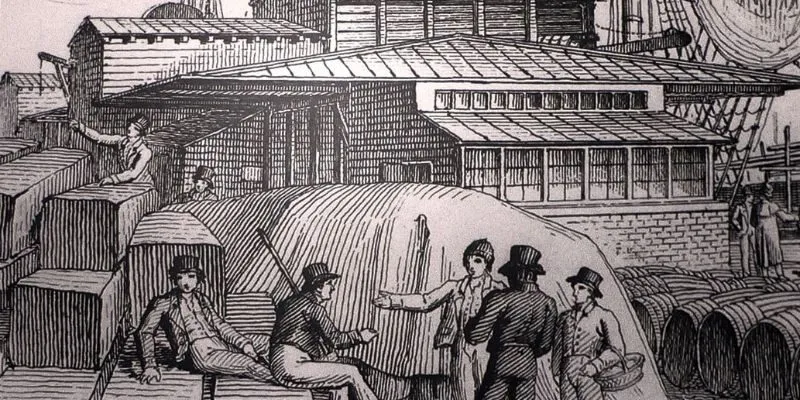
Smuggling was not simply a matter of unloading goods on a beach. Successful operations required planning, secrecy, transportation, storage, and trusted relationships between different participants.
Landing Contraband at Night
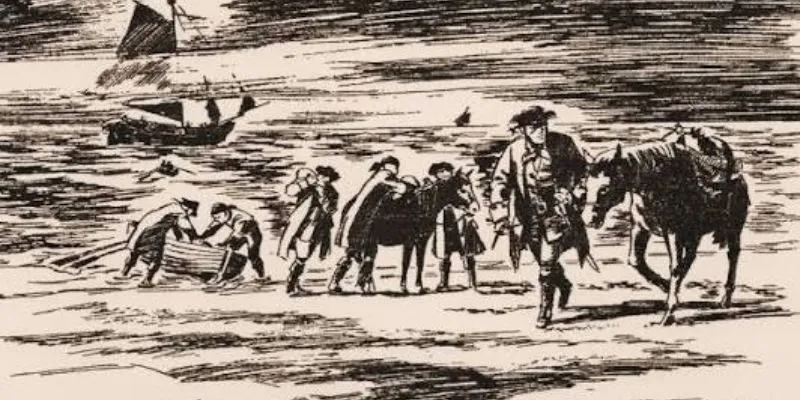
Small boats were often useful because they could approach beaches without depending on major harbour facilities. Crews needed to choose suitable landing points and carefully consider weather and tides. Sussex smuggling history frequently highlights the importance of darkness because nighttime reduced visibility and made surveillance more difficult. Once goods reached land, speed became essential.
Moving Goods Inland
After landing, contraband had to be moved away from the coast before customs officers could intercept it. Horses, carts, and human carriers could transport goods along lanes and tracks. Sussex smuggling history therefore includes an inland dimension as important as the coastal one. Farms, barns, cellars, and other private spaces could potentially be used to hide merchandise before distribution.
Evading Customs Officers
Customs officers and revenue authorities attempted to disrupt illegal trade through patrols, intelligence gathering, searches, and arrests. Smugglers responded by relying on secrecy and knowledge of local terrain. Sussex smuggling history includes numerous stories of chases, confrontations, and narrow escapes, although individual tales should be treated carefully because later folklore sometimes added dramatic details to historical events.
Sussex Smuggling History in Local Heritage
Today, the subject remains valuable because it connects maritime history with ordinary communities. Smuggling stories can help explain why certain villages, buildings, paths, and coastal locations have become important heritage sites.
Myths, Legends, and Historical Evidence
Not every popular smuggling story can be verified in surviving records. Sussex smuggling history has been shaped by generations of storytelling, meaning that legends sometimes contain fictional or exaggerated elements. Researchers can compare folklore with newspapers, court records, customs documents, maps, and other historical sources. This approach helps separate documented events from entertaining local tradition.
Exploring Historic Sussex Today
Visitors interested in Sussex smuggling history can explore coastal villages, museums, historic streets, churches, and landscapes associated with maritime activity. Walking through these locations provides a stronger sense of geography than reading about them alone. Local heritage organisations can also provide information about surviving buildings and historical collections. Responsible interpretation is important because the real story is often more complex than romantic tales suggest.
A Lasting Part of Coastal Identity
The legacy of Sussex smuggling history continues to influence how communities present their past. Stories of secret tunnels, hidden cargoes, daring escapes, and customs patrols remain popular with visitors. At the same time, the subject offers an opportunity to examine taxation, poverty, commerce, law enforcement, and social relationships. Smuggling was therefore part of a wider historical system rather than simply a collection of colourful adventures.
See more: Hawkhurst Gang history
Conclusion
Sussex smuggling history offers a compelling way to understand the county’s relationship with the sea, trade, taxation, and local communities. Hidden coves and difficult coastal terrain created opportunities for illegal commerce, while demand for cheaper imported goods encouraged networks to develop.