Famous smuggling gangs in England played an important role in the country’s maritime and social history, particularly during the eighteenth and early nineteenth centuries. High taxes on imported goods created lucrative opportunities for organised smugglers along the southern and eastern coasts. Their stories combine trade, crime, local communities, law enforcement, and enduring folklore.
The Rise of Smuggling Gangs in England
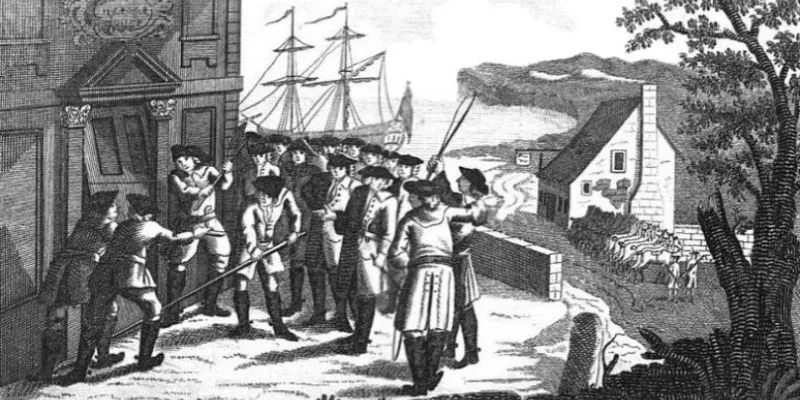
The growth of illicit trade was closely connected with taxation and geography. England’s extensive coastline provided numerous opportunities for vessels to land goods away from heavily monitored ports.
Why Smuggling Became Profitable
Famous smuggling gangs in England emerged during a period when customs duties could make imported goods extremely expensive. Tea, tobacco, spirits, and other commodities were particularly attractive to illegal traders. Consumers could often obtain these products more cheaply through unofficial channels. This strong demand encouraged increasingly organised networks.
The Importance of the Coast
England’s coastline offered beaches, cliffs, coves, marshes, and isolated landing points. Smugglers who understood local tides and terrain had an advantage over officials unfamiliar with particular areas. Famous smuggling gangs in England often relied on small boats that could approach locations unsuitable for larger commercial vessels. Geography therefore became an important part of their success.
Local Communities and Networks
Smuggling required cooperation between people performing different tasks. Boat crews brought goods ashore, while carriers moved them inland and others provided storage or information. Famous smuggling gangs in England could therefore involve much wider networks than the individuals remembered as gang leaders. Local support, whether voluntary or obtained through intimidation, helped illegal commerce survive.
Famous Smuggling Gangs in England
Several organisations became particularly notorious because of their size, influence, violence, or encounters with government authorities. Their histories illustrate different aspects of England’s long struggle with contraband trading.
The Hawkhurst Gang
The Hawkhurst Gang became one of the most notorious organisations of eighteenth-century southern England. It operated across areas including Sussex, Kent, and Hampshire and became associated with large-scale smuggling and serious violence. Famous smuggling gangs in England are often discussed alongside the Hawkhurst Gang because its eventual prosecution demonstrated how determined authorities had become.
The Aldington Gang
The Aldington Gang operated in Kent and became associated with smuggling networks along the Channel coast. Its activities reflected the importance of Kent’s proximity to continental Europe. The organisation illustrates how smugglers could use established maritime connections to move goods into England. Famous smuggling gangs in England were often concentrated in areas where geography favoured rapid movement between shore and countryside.
The Hawkhurst and Sussex Connection
Sussex had a strong tradition of smuggling because of its coastline and proximity to France. Villages and towns developed stories about secret landings, hidden cargoes, and encounters with customs officers. Resources such as rottingdeansmugglers help preserve interest in these local traditions. Famous smuggling gangs in England cannot be understood without considering the smaller coastal communities that formed part of the wider smuggling environment.
How Smuggling Gangs Operated
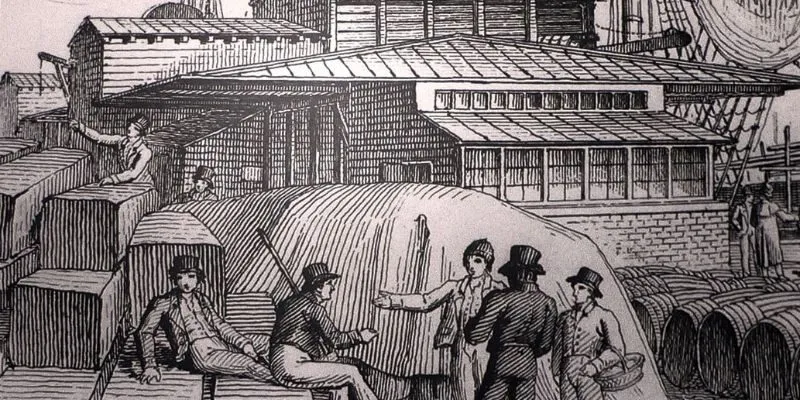
Organised smuggling involved careful planning rather than simply bringing goods onto a beach. Successful groups needed transportation, storage, communication, and knowledge of the local environment.
Nighttime Coastal Landings
Smugglers frequently preferred darkness because reduced visibility made surveillance more difficult. Boats could approach secluded beaches and unload cargo quickly. Famous smuggling gangs in England often selected landing places according to tides, weather, and distance from customs patrols. Speed was essential once goods reached the shore.
Inland Transportation Routes
Getting contraband away from the coast was equally important. Horses, carts, pack animals, and concealed paths could be used to move merchandise into rural areas. Famous smuggling gangs in England depended on these inland connections to reach buyers and storage locations. Barns, cellars, farms, and private buildings could potentially conceal goods temporarily.
Communication and Secrecy
Smuggling networks depended heavily on trust and information. Participants needed to know when patrols were active and when goods would arrive. Famous smuggling gangs in England could maintain secrecy through coded messages, trusted contacts, and knowledge passed between local associates. Informants within communities could also make enforcement particularly difficult.
Conflict With Customs Authorities
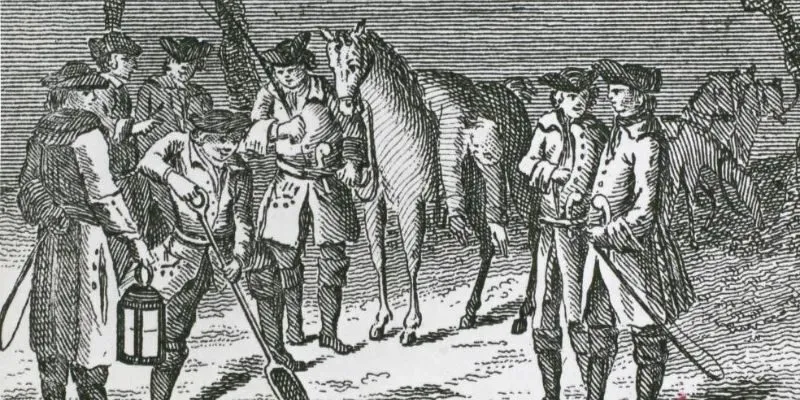
The authorities gradually increased their efforts to control smuggling. Customs officers faced difficult conditions because large stretches of coastline were challenging to monitor consistently.
Customs Patrols and Revenue Officers
Revenue officers patrolled coastal areas and investigated suspected smugglers. They could seize contraband and arrest individuals connected with illegal trading. Famous smuggling gangs in England created a significant challenge because organised groups could react quickly to patrol movements. Enforcement depended increasingly on intelligence and cooperation.
Informers and Witnesses
Informants could provide authorities with valuable information about smuggling networks. However, cooperating with officials could expose witnesses to threats or retaliation. Famous smuggling gangs in England developed reputations partly because some members attempted to silence people who could testify against them. These conflicts made prosecutions dangerous and complicated.
The Role of the Law
The government introduced increasingly serious penalties for smuggling and related offences. Courts could impose imprisonment, transportation, fines, and, in cases involving serious violence, capital punishment. Famous smuggling gangs in England therefore existed within a legal environment that became progressively more hostile to organised contraband trading.
Major Crimes and Notorious Incidents
Some smuggling organisations became infamous not merely because they traded illegally but because their activities involved violence and intimidation.
The Poole Customs House Raid
The Hawkhurst Gang became notorious after the 1747 raid on the customs house at Poole. Gang members attempted to recover confiscated goods, demonstrating their willingness to confront government officials directly. The event became a turning point in the authorities’ campaign against the organisation. Famous smuggling gangs in England were increasingly viewed as serious criminal threats rather than simple illicit traders.
The Murder of William Galley
Customs officer William Galley became a victim of the gang’s violence after becoming involved in investigations into smuggling. His murder contributed to the determination to prosecute those responsible. The case demonstrated the risks faced by officials and witnesses. Famous smuggling gangs in England are remembered partly because incidents such as this revealed the darker side of organised smuggling.
The Death of Daniel Chater
Daniel Chater was another important figure in the case against the Hawkhurst Gang. He was murdered after becoming associated with evidence against members of the organisation. His death intensified public and legal attention. Famous smuggling gangs in England therefore have a history that extends beyond adventurous folklore into serious criminal and social consequences.
See more: why was smuggling common in the 18th century
Conclusion
Famous smuggling gangs in England left a lasting mark on the country’s maritime history. Organisations such as the Hawkhurst Gang and the Aldington Gang demonstrate how profitable illegal trade could become when high taxes met strong consumer demand and favourable coastal geography.