Hawkhurst Gang history tells the story of one of the most notorious smuggling organisations in eighteenth-century England. Operating across Sussex, Kent, Hampshire, and nearby coastal areas, the gang became associated with large-scale contraband trading, violence, intimidation, and a powerful network of supporters. Its rise and eventual destruction reveal much about Britain’s customs system and coastal communities. Let’s find out with rottingdeansmugglers!
The Origins of Hawkhurst Gang History
The gang emerged during a period when high taxes created strong demand for illegally imported goods. Its activities grew from established coastal smuggling traditions and eventually developed into an unusually organised criminal network.
The Gang’s Early Development
The story of the Hawkhurst Gang began in the early eighteenth century when smugglers operated around the Kent and Sussex coastline. Hawkhurst in Kent became closely associated with the organisation, although its activities extended far beyond the village itself. Hawkhurst Gang history shows how existing smuggling networks could become increasingly organised and ambitious.
Why Contraband Was Profitable
Import duties on goods such as tea, brandy, tobacco, and other commodities could make legitimate products expensive. Smugglers offered cheaper alternatives to consumers who were willing to ignore customs restrictions. Hawkhurst Gang history is therefore closely connected to Britain’s taxation policies and the substantial profits available through illicit trade.
A Growing Regional Network
The organisation relied on contacts across several counties rather than operating from a single location. Boats, horses, storage sites, carriers, and local informants could all contribute to a successful operation. Hawkhurst Gang history demonstrates that large-scale smuggling required cooperation between people performing different roles.
Key Figures in the Hawkhurst Gang
The organisation became particularly notorious because of several individuals who gained influence within its network. Their reputations were shaped by both documented crimes and later accounts of the gang’s activities.
Arthur Gray and Gang Leadership
Arthur Gray became one of the most prominent figures associated with the organisation. He was involved in major smuggling activities and developed a reputation for authority within the gang. Hawkhurst Gang history often places Gray among its important leaders during the period when the organisation reached considerable strength.
William Gray and the Smuggling Network
William Gray was another significant figure connected with the gang. Members and associates could operate through different locations while maintaining connections with the wider organisation. The scale of the network made it difficult for authorities to stop individual operations. Accounts of the period illustrate how smuggling could involve multiple communities and transportation routes.
Associates and Local Support
The gang could not have functioned without a broader group of associates. Boatmen, carriers, suppliers, informants, and people willing to hide goods all played potential roles. Hawkhurst Gang history therefore extends beyond famous gang members to include the communities and individuals who made the trade possible.
How the Hawkhurst Gang Operated
The gang’s activities involved much more than moving contraband from ships to shore. Organisation, secrecy, transportation, and intimidation were important parts of its operations.
Coastal Landing Operations
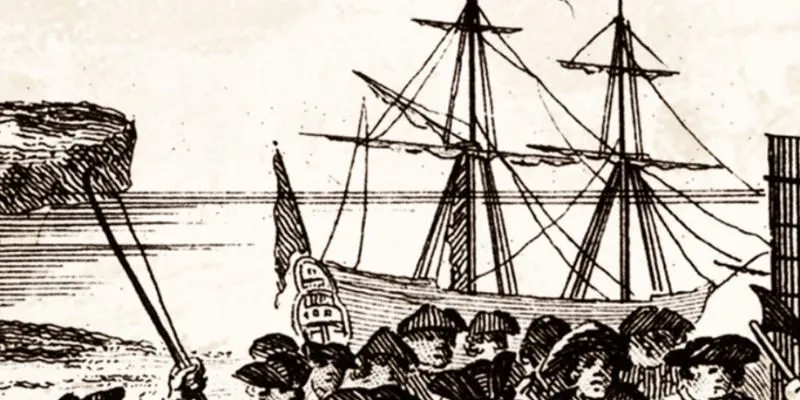
Smugglers used secluded beaches and coastal areas where customs surveillance was limited. Small vessels could approach the shore and unload goods before moving away again. Hawkhurst Gang history reveals the importance of geographical knowledge, particularly an understanding of tides, beaches, roads, and inland routes.
Transporting Goods Inland
After landing, contraband had to be moved quickly away from the coast. Horses and carts provided practical transportation through rural areas. Goods could then be stored temporarily before being distributed to buyers. Hawkhurst Gang history highlights the connection between maritime smuggling and inland transportation networks.
Violence and Intimidation
The organisation became particularly feared because some operations involved threats and violence. Intimidation could discourage witnesses from cooperating with authorities or competing smugglers. Hawkhurst Gang history consequently differs from romantic stories that portray smugglers simply as adventurous coastal traders. The gang’s activities could have serious consequences for victims and communities.
The Battle Against Customs Authorities
As the organisation expanded, government authorities faced increasing pressure to improve enforcement. Customs officers, military personnel, magistrates, and informants all became part of the struggle against large-scale smuggling.
Customs Officers and Revenue Enforcement
The customs service attempted to monitor coastal traffic and investigate suspected smugglers. Officers faced difficult conditions because the southern coastline contained many possible landing points. Hawkhurst Gang history shows why stopping organised smuggling required more than occasional patrols. Authorities needed intelligence and cooperation between different agencies.
Informants and Evidence
Information from insiders and local residents could become crucial in investigations. Authorities depended on evidence to identify individuals and establish connections between separate offences. This could be dangerous because people who cooperated with officials might face retaliation from smugglers. The resulting atmosphere contributed to the gang’s reputation for intimidation.
Increasing Government Pressure
As enforcement efforts became more coordinated, the gang’s ability to operate without consequences weakened. Arrests and prosecutions gradually disrupted its leadership and network. Hawkhurst Gang history illustrates the broader transition toward stronger state control over customs enforcement during the eighteenth century.
The Crimes That Changed Its Reputation
Several incidents helped transform the Hawkhurst Gang from a powerful smuggling network into a symbol of organised criminal violence. These events attracted considerable public attention and strengthened the authorities’ determination to prosecute its members.
The Poole Customs House Raid
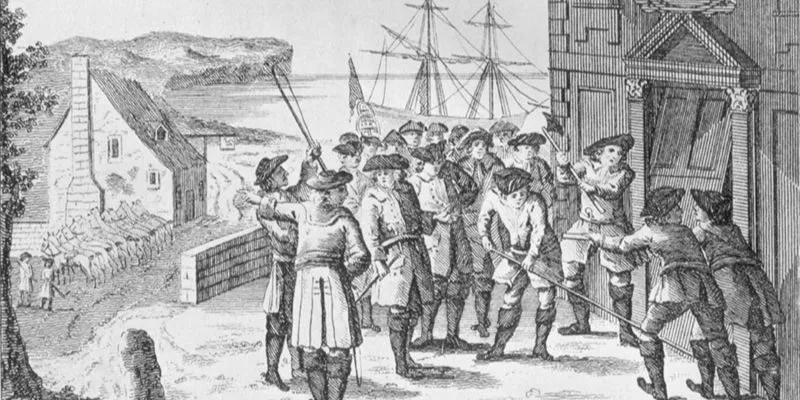
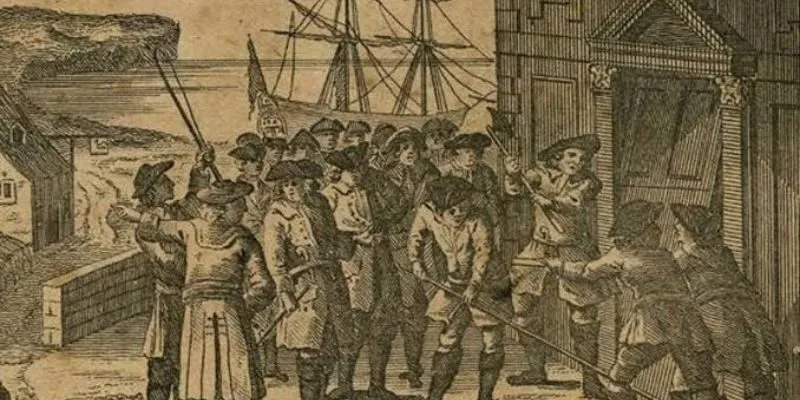
One of the most notorious episodes occurred in Poole in 1747. Members of the gang attacked the customs house to recover confiscated goods, demonstrating the organisation’s willingness to challenge officials directly. Hawkhurst Gang history is strongly associated with this incident because it revealed the scale and confidence of the gang.
The Murder of William Galley
The gang’s reputation became even darker after the murder of customs officer William Galley. Galley had become involved in attempts to expose smuggling activity and was captured by members of the organisation. His death became an important part of the legal case against those responsible.
The Death of Daniel Chater
Daniel Chater, a shoemaker and witness connected with the investigation, was also murdered. His death demonstrated the dangers faced by people who provided evidence against smugglers. Hawkhurst Gang history is therefore inseparable from the violence that ultimately brought intense legal scrutiny to the organisation.
See more: famous smuggling gangs in England
Conclusion
Hawkhurst Gang history provides a remarkable insight into eighteenth-century Britain. The organisation grew within a profitable contraband economy, developed an extensive regional network, and eventually became notorious for violence against officials and witnesses.