Historical smuggling hiding places have long captured the imagination of historians, adventurers, and curious minds alike. From secret sea caves carved into coastal cliffs to hidden tunnels running beneath village streets, these concealed spaces tell a gripping story of defiance, danger, and ingenuity. Smugglers across centuries relied on geography, darkness, and community silence to move contraband undetected. Understanding where and how they hid their goods reveals a fascinating chapter of underground trade history.
Historical smuggling hiding places and their origins
The roots of organized smuggling run deep across coastal Europe, particularly along the shores of England and France. Smugglers needed reliable, hidden infrastructure to store and move goods like brandy, silk, tobacco, and tea away from customs officers. The landscape itself became their greatest ally, with natural formations and man-made structures serving as critical concealment points.
Why coastal geography shaped contraband networks
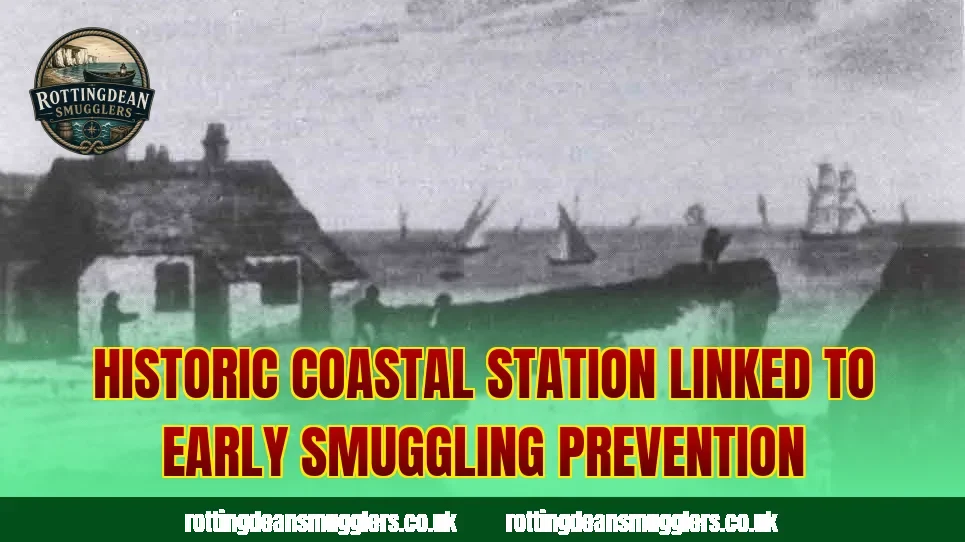
Historical smuggling hiding places were rarely chosen at random — geography played a decisive role in every selection. Coastal cliffs offered natural cave systems that were accessible only at low tide, making them nearly impossible for revenue officers to search effectively. Smugglers memorized tidal patterns and used these narrow windows to unload ships, store barrels, and disappear before the sea returned.
The role of local communities in concealment
Entire villages often participated in protecting hidden caches, from farmers who lent their barns to innkeepers who offered false-bottomed cellars. Community silence was enforced through loyalty, shared profit, and sometimes outright intimidation. Without this network of trusted locals, even the most cleverly designed hiding spot would have been discovered within days.
How trade routes influenced secret storage locations
Trade routes from France, the Netherlands, and Scandinavia determined which coves and inlets became active smuggling hubs. Locations near Romney Marsh, the Sussex coast, and the Cornish peninsula were especially active due to their proximity to major European ports. The closer a village was to a profitable route, the more elaborate its system of historical smuggling hiding places tended to become.
Historical smuggling hiding places: caves, tunnels, and vaults
Among all the structures used to conceal contraband, caves and underground tunnels remain the most iconic. These spaces offered natural insulation, darkness, and limited access points — everything a smuggler needed to store goods safely for days or even weeks. Many of these spaces still exist today, preserved beneath old inns, churches, and coastal cliffs.
Secret sea caves along the Sussex coastline
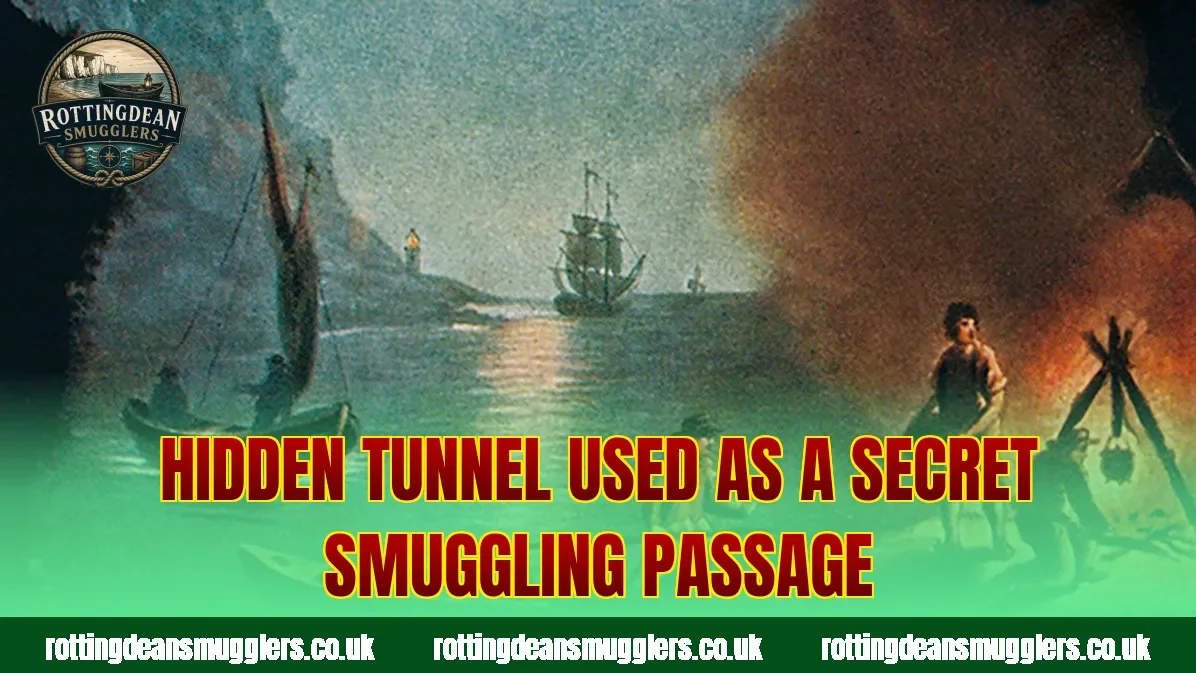
The Sussex coast holds some of the most well-documented historical smuggling hiding places in England, with caves at Rottingdean and Birling Gap being particularly notable. These chalk sea caves were large enough to store dozens of barrels and could be sealed with wooden doors or covered with seaweed to avoid detection. Local gangs like the Hawkhurst Gang used similar cave systems to build a smuggling empire that stretched across multiple counties.
Underground tunnels beneath English villages
Beneath many quiet English villages lies an extraordinary network of hand-dug tunnels connecting cellars, churches, and shorelines. The village of Rottingdean, for example, is known to have tunnel systems that allowed smugglers to move goods from the beach to safe houses without ever appearing on the street. These tunnels were often narrow, low-ceilinged, and deliberately confusing in layout to disorient any intruder who stumbled inside.
Hidden vaults inside churches and manor houses
Churches were among the most trusted historical smuggling hiding places because revenue officers rarely dared to search consecrated ground. Crypts, vestry rooms, and even altar spaces were used to conceal brandy kegs and bolts of lace. Manor houses with sympathetic owners also offered concealed priest holes, double walls, and false floors that could be repurposed to hide contraband with remarkable efficiency.
Clever disguises and architectural deception tactics
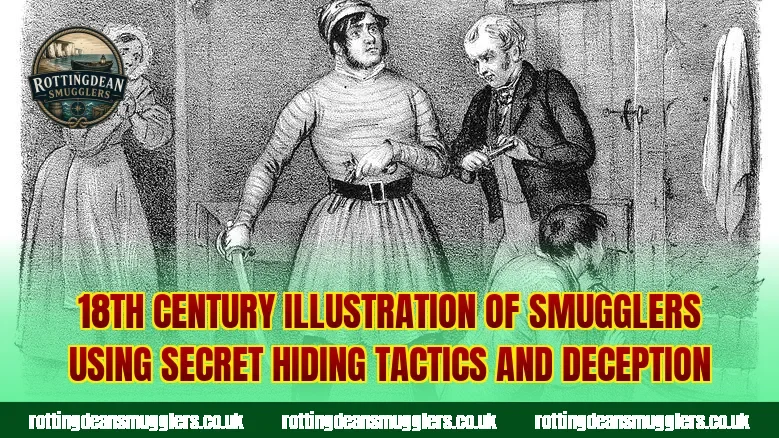
Smugglers did not rely solely on natural geography — they also engineered deception directly into buildings and everyday objects. False walls, rotating fireplaces, and hidden trapdoors were constructed with surprising craftsmanship for their era. These architectural tricks allowed goods to be stored in plain sight, invisible to all but those who knew exactly where to look.
False walls and hidden rooms in coastal inns
Coastal inns served as critical nodes in smuggling networks, and many were built or modified to include concealed storage rooms behind false walls. The Olde Ship Inn in Seahouses and the Jamaica Inn in Cornwall are famous examples where hidden chambers were discovered long after the smuggling era ended. Architects working for smuggling gangs developed a specialized vocabulary of deception that made these spaces nearly undetectable during routine inspections.
Trapdoors and underground cellars beneath farmhouses
Farmhouses located a mile or two inland from the coast often served as secondary storage points for historical smuggling hiding places that had been cleared from the shore. Trapdoors hidden beneath hay bales or kitchen flagstones led to deep cellars where barrels could be stored for weeks without attracting attention. The mundane appearance of a working farm was itself a form of camouflage that proved highly effective against suspicious customs officers.
Disguised cargo and everyday object concealment
Beyond fixed structures, smugglers also concealed goods within everyday objects to move them through checkpoints undetected. Hollowed-out books, false-bottomed trunks, and specially lined clothing were all used to transport smaller quantities of luxury goods. This mobile approach to concealment complemented the fixed network of caves and tunnels, creating a layered system that was extraordinarily difficult to dismantle entirely.
Notable locations still visible today
Many of the most significant historical smuggling hiding places have survived into the modern era, preserved either as tourist attractions or protected heritage sites. Visiting these locations offers a tangible connection to the smuggling gangs who once operated with remarkable boldness across the English coastline. The table below highlights some of the most historically significant sites still accessible to visitors.
| Location | Type of hiding place | Notable smuggling gang | Region |
|---|---|---|---|
| Rottingdean, East Sussex | Tunnels and sea caves | Rottingdean Smugglers | South England |
| Jamaica Inn, Cornwall | Hidden cellar rooms | Cornish free traders | South West England |
| Birling Gap, East Sussex | Chalk sea caves | Sussex gangs | South England |
| Romney Marsh, Kent | Underground vault networks | Hawkhurst Gang | South East England |
| Mousehole, Cornwall | Coastal cave systems | Local Cornish networks | South West England |
Rottingdean’s tunnel network and its legacy
Rottingdean stands out as one of the best-preserved examples of a village that built its identity around systematic smuggling activity. The tunnel network beneath the village connected the beach to several key properties, allowing barrels of brandy and bolts of silk to move invisibly through the community. These historical smuggling hiding places are now part of a broader heritage story that draws visitors and researchers from across the world.
The Hawkhurst Gang and Romney Marsh vaults
The Hawkhurst Gang operated one of the most organized smuggling enterprises in eighteenth-century England, and their use of Romney Marsh’s underground vault systems was central to their success. These vaults were dug into the soft marsh ground and lined with timber to prevent collapse, creating dry storage spaces that could hold enormous quantities of contraband. The gang’s eventual downfall came not from discovery of their hiding places but from the brutal violence they used to protect them.
Cornwall’s sea caves and their enduring mystery
Cornwall’s dramatic coastline provided some of the most naturally suited historical smuggling hiding places anywhere in Britain, with deep sea caves accessible only by boat during specific tidal windows. Local fishing communities used these caves for generations, passing knowledge of their locations down through families in strict secrecy. Today, some of these caves can be explored by kayak or on guided heritage tours, offering a rare glimpse into a world that once operated entirely outside the law.
Conclusion
Historical smuggling hiding places remain one of the most compelling windows into the ingenuity and daring of past contraband networks. From chalk sea caves in Sussex to timber-lined vaults in Romney Marsh, these spaces shaped entire communities and left a physical legacy that still exists today. Explore the full story of England’s most daring smugglers with Rottingdean Smugglers and discover how one coastal village became a legend.
See more: Flintlock pistols used by smugglers – Firepower