Old maritime smuggling records UK reveal a hidden world of contraband, crime, and courtroom drama buried deep in British legal history. These documents — ranging from customs seizure logs to full trial transcripts — offer an unmatched window into how smuggling networks operated along England’s coastlines during the 17th, 18th, and 19th centuries. Court papers, in particular, preserve the names of offenders, the goods they trafficked, and the punishments they faced, making them invaluable for historians and genealogists alike.
Old maritime smuggling records UK: What court papers reveal
Court papers connected to maritime smuggling cases are among the most detailed primary sources available in British archives today. They capture not only the legal proceedings but also the social and economic conditions that drove ordinary people toward illicit trade. Understanding what these records contain helps researchers unlock stories that official histories often left untold.
The structure of historical smuggling trial documents
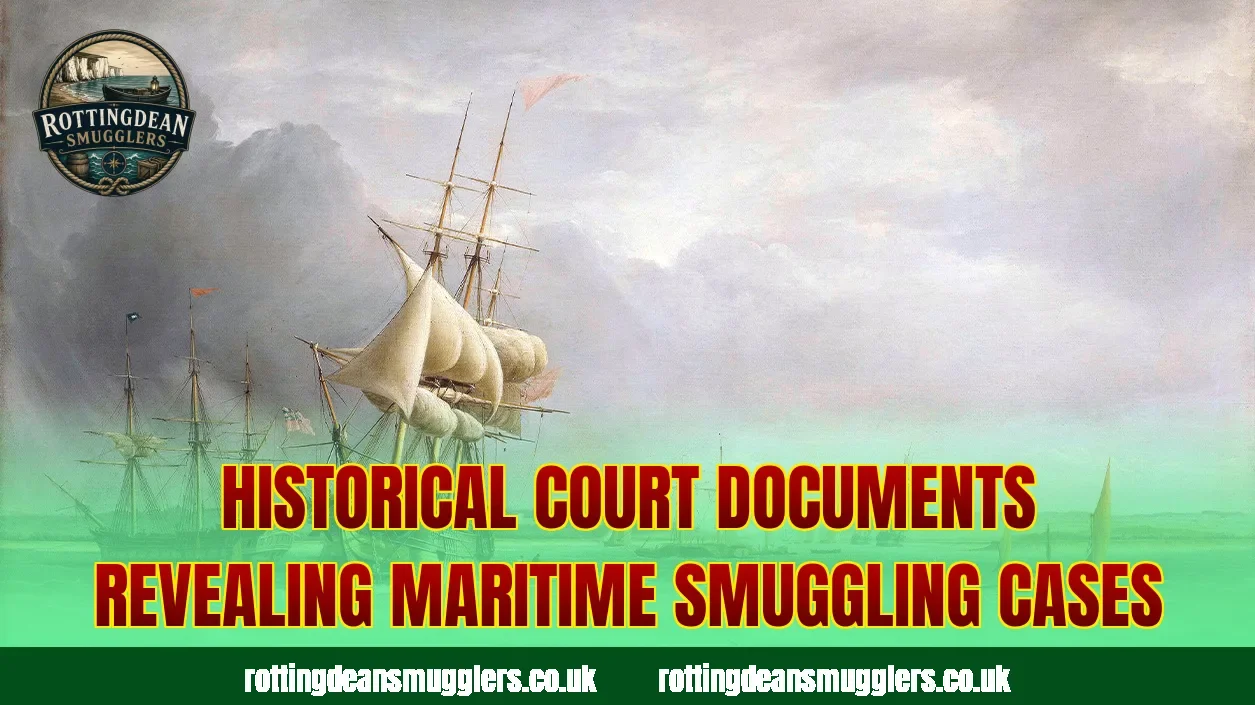
Old maritime smuggling records UK typically include indictments, witness depositions, and sentencing orders that together reconstruct each case in remarkable detail. Prosecutors recorded the type and quantity of smuggled goods, the location of seizure, and the names of all individuals involved. These documents were filed with Exchequer courts, Admiralty courts, or local Quarter Sessions depending on the nature and scale of the offence.
Key offences recorded in Admiralty court archives
Admiralty court papers frequently documented offences involving armed smuggling gangs, revenue cutter confrontations, and the violent resistance of free traders at sea. Cases involving the landing of uncustomed goods — particularly tea, brandy, and silk — appear with striking regularity across the 18th century. Researchers examining these files often discover entire networks of suppliers, distributors, and corrupt officials named within a single case file.
How Exchequer records complement smuggling case files
Exchequer of Pleas records add a financial dimension to smuggling prosecutions by detailing customs duties evaded and penalties imposed. These papers often list the estimated value of seized cargo alongside the names of merchants suspected of receiving contraband. Cross-referencing Exchequer documents with Admiralty files gives historians a fuller picture of how deeply smuggling was embedded in local economies.
Old maritime smuggling records UK in national archives
Britain’s national and regional archives hold an extraordinary volume of documentation related to maritime smuggling prosecutions. Knowing where these records are stored — and how they are catalogued — is essential for anyone conducting serious research into this period of criminal and social history.
Navigating The National Archives at Kew
Old maritime smuggling records UK are held in significant quantities within The National Archives at Kew, catalogued primarily under the CUST, HCA, and E series references. The CUST series covers customs and excise records, while HCA contains High Court of Admiralty papers including prize cases and criminal proceedings. Researchers can search the online catalogue using keywords such as “smuggling,” “free trader,” or specific coastal place names to identify relevant document bundles.
Regional record offices and their smuggling collections
County record offices across Sussex, Kent, Devon, and Cornwall hold locally generated court papers that complement the national collections significantly. Quarter Sessions records at these offices often contain detailed examinations of smugglers taken before local magistrates, providing vivid first-hand accounts. The East Sussex Record Office, for instance, holds materials directly connected to smuggling activity along the Brighton and Rottingdean coastline.
Digital access to historical court records online
Several digitisation projects have made it easier than ever to access historical smuggling court papers without visiting an archive in person. Platforms such as Ancestry, FindMyPast, and the Discovery catalogue at The National Archives allow keyword searches across millions of digitised documents. While not every court paper has been digitised, the growing online availability of these records has transformed research into old maritime smuggling records UK significantly.
Decoding the language of smuggling court papers
Historical court documents use legal terminology and archaic phrasing that can be challenging for modern readers to interpret without guidance. Familiarity with the specific vocabulary used in smuggling prosecutions makes it far easier to extract accurate and meaningful information from these sources.

Common legal terms found in smuggling indictments
Terms such as “uncustomed goods,” “running of goods,” and “obstruction of revenue officers” appear consistently across old maritime smuggling records UK from the 18th and 19th centuries. An indictment would typically name the accused, specify the offence, cite the relevant statute, and describe the goods involved in precise detail. Understanding these terms allows researchers to quickly assess the severity of each case and identify patterns across multiple prosecutions.
Reading witness depositions and informer statements
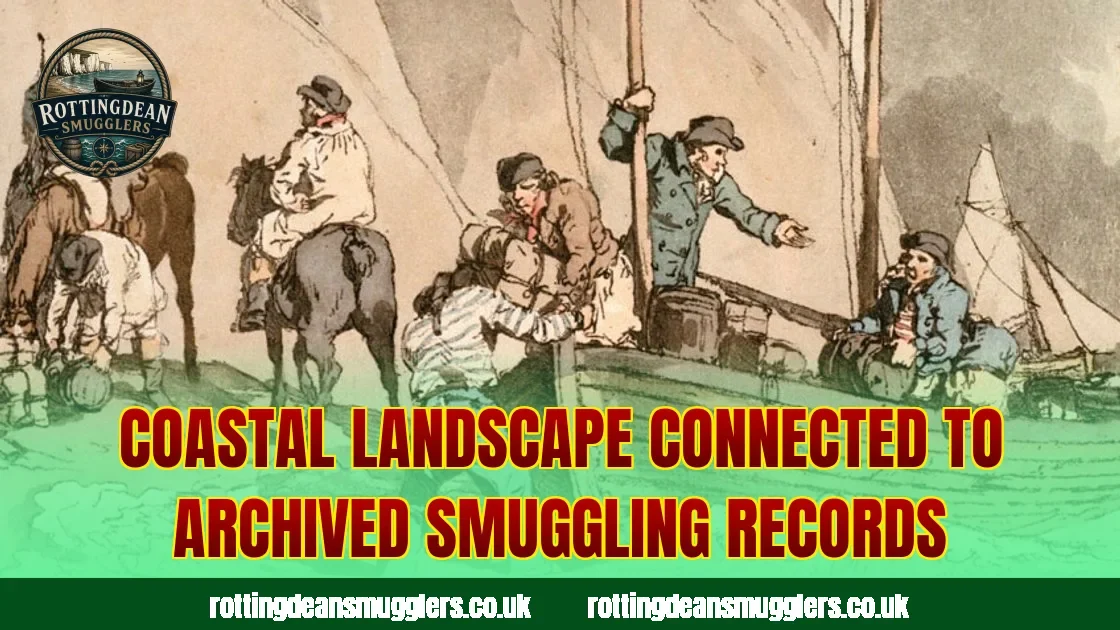
Depositions recorded the sworn testimony of customs officers, coastguard men, informers, and occasionally the accused themselves during pre-trial examinations. These statements are particularly valuable because they describe the physical landscape of smuggling operations — specific beaches, lanes, barns, and safe houses used by gangs. Informer statements, though sometimes unreliable, often provide the only surviving record of how contraband networks were actually organised on the ground.
Interpreting sentencing records and transportation orders
Sentencing records within old maritime smuggling records UK range from fines and short imprisonment to transportation to penal colonies in Australia. Transportation orders, filed alongside conviction records, often include physical descriptions of the convicted smuggler — height, hair colour, distinguishing marks — that bring these historical figures to life. Cross-referencing transportation orders with colonial arrival records can trace the full journey of individuals convicted under the Hovering Acts or the Smuggling Act of 1736.
Notable smuggling cases preserved in UK court papers
Several landmark smuggling prosecutions left extensive paper trails that historians have studied in depth. These cases illuminate not only individual criminal careers but also the broader tensions between the state and coastal communities during the height of the smuggling era.
| Case name | Date | Location | Key charge | Outcome |
|---|---|---|---|---|
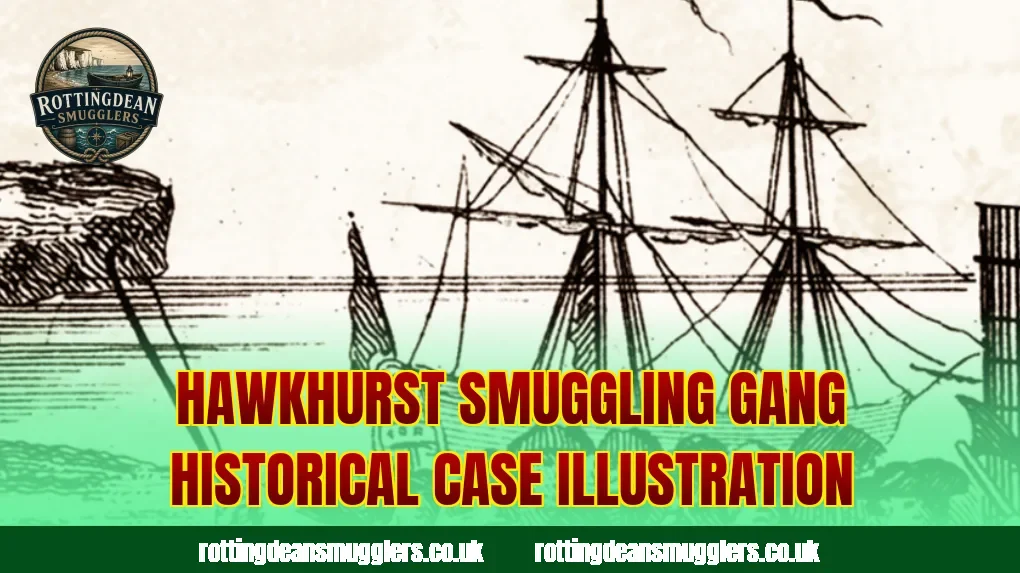
| Hawkhurst Gang trials | 1748–1749 | Sussex / Kent | Murder of customs officers | Execution of gang leaders |
| John Wesley smuggling inquiry | 1753 | Cornwall | Receiving contraband goods | Acquitted, records preserved |
| Rottingdean smuggling prosecutions | 1780s–1820s | East Sussex | Running uncustomed goods | Mixed — fines and transportation |
| Aldington Gang seizures | 1820–1826 | Kent coast | Armed resistance, smuggling | Transportation and imprisonment |
Each of these cases generated substantial court documentation that remains accessible today through national and regional archives. The Hawkhurst Gang trials in particular produced some of the most detailed and chilling court papers in the entire body of old maritime smuggling records UK, describing organised violence against the customs service on an almost industrial scale.
Using smuggling records for genealogy research
Court papers connected to maritime smuggling are a surprisingly rich resource for family historians tracing ancestors in coastal communities. Many ordinary working people — fishermen, farmers, innkeepers, and labourers — appear in these records, often for minor involvement in the trade.
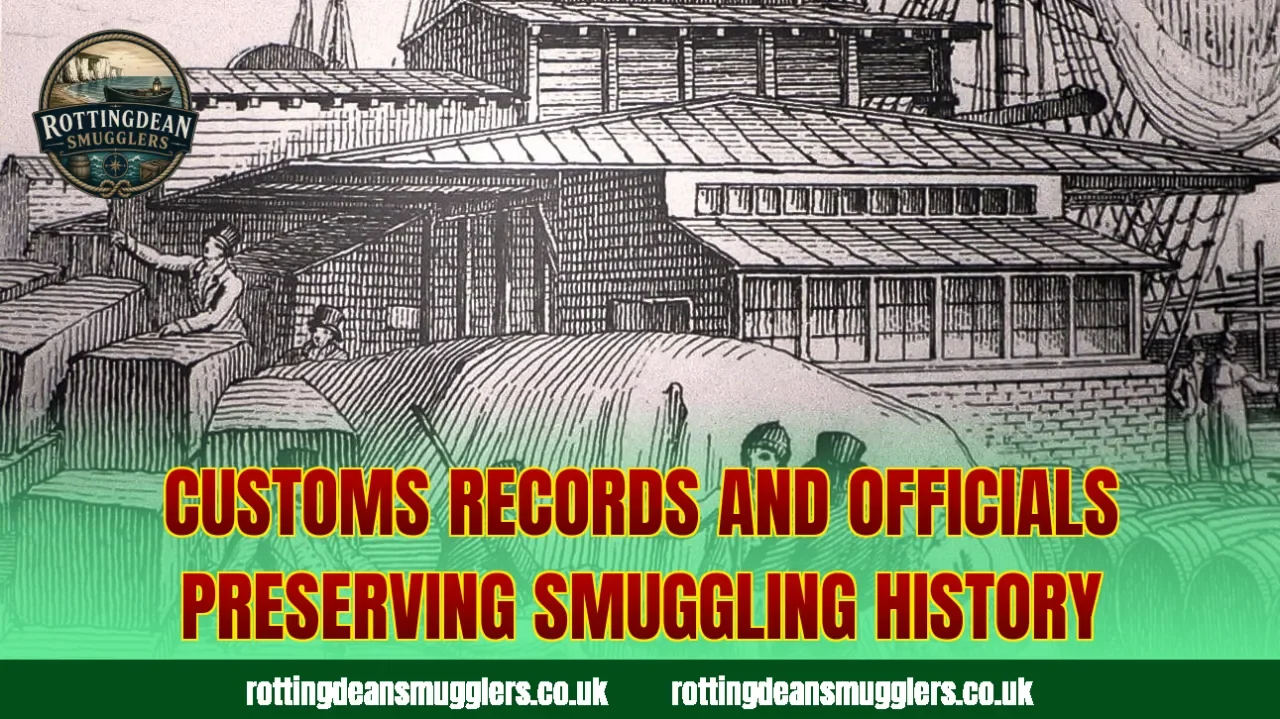
Genealogists searching old maritime smuggling records UK may find that an ancestor’s name appears in an indictment, a deposition, or even as a named informer against a local gang. These entries can confirm dates, locations, occupations, and family connections that might not appear in parish registers or census records. Combining court paper research with probate records, land tax assessments, and trade directories builds a far more complete biographical picture of coastal ancestors.
Conclusion
Old maritime smuggling records UK — especially court papers — are among the most vivid and historically significant documents surviving from Britain’s contraband era. They preserve the voices, crimes, and fates of thousands of individuals who operated in the shadows of the official economy along England’s coastlines. To explore the stories these records tell in a living context, visit Rottingdean Smugglers and discover the history of one of Sussex’s most infamous smuggling communities.
Xem thêm: Flintlock Pistols Used By Smugglers – Firepower
Flintlock pistols used by smugglers