18th century coastguard uniforms stood as one of the most recognizable symbols of maritime law enforcement in Georgian Britain. These garments were far more than simple work clothing — they carried the weight of authority, practicality, and government identity along some of England’s most dangerous coastlines. From the cut of the coat to the brass buttons pressed with official insignia, every element served a purpose. This article explores the design, materials, regional variations, and historical significance of these uniforms in thorough detail.
18th century coastguard uniforms: Origins and authority
The development of formal coastal enforcement dress emerged gradually during the 1700s, shaped by both practical need and institutional pride. Understanding where these garments came from requires looking at the broader context of smuggling suppression in Georgian England.
The riding officers and their early dress
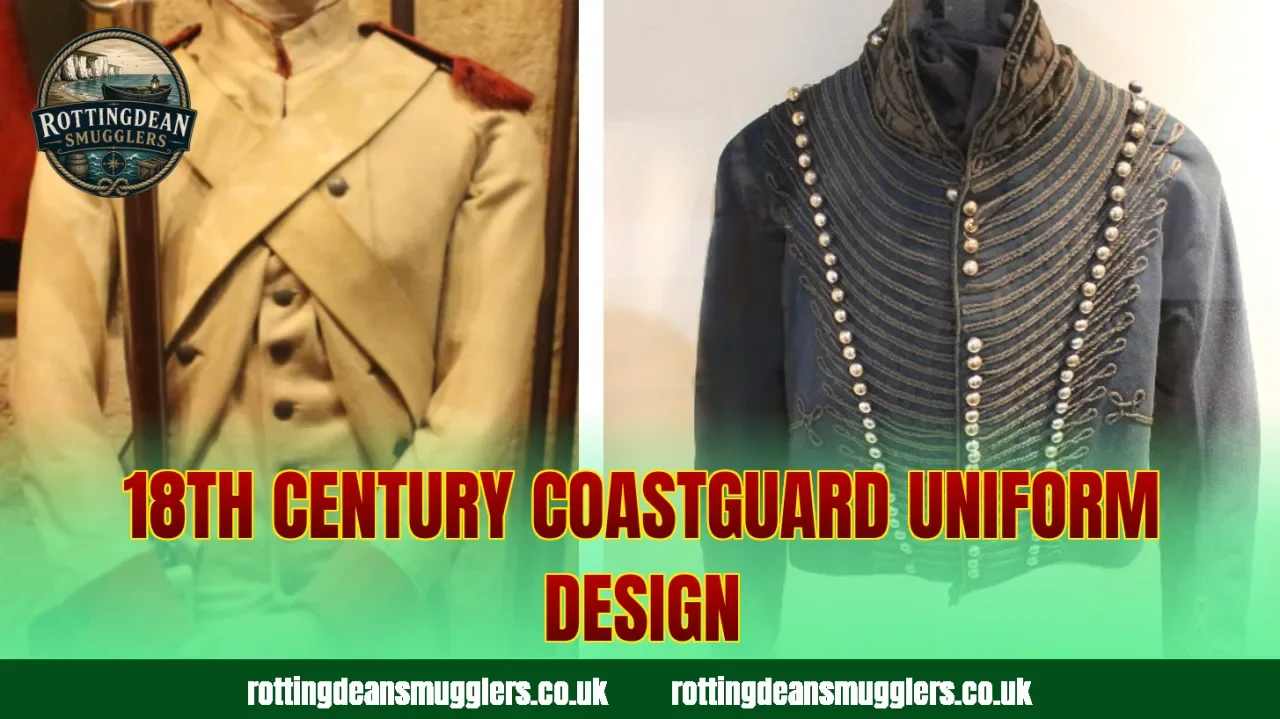
18th century coastguard uniforms did not appear overnight — they evolved from the rougher attire of riding officers appointed under the Customs Board during the late 1600s. These men patrolled coastal roads on horseback, often wearing civilian clothing with only a badge or armband to signal their authority. By the early 1700s, the government began standardizing their appearance to improve recognition and command respect from local communities who frequently harbored smugglers.
Customs Board influence on uniform design
The British Customs Board played a central role in shaping what officers wore on patrol. Directives issued from London specified coat colors, button styles, and the use of official insignia, transforming 18th century coastguard uniforms into a coherent institutional identity. Officers in the south of England, particularly along the Sussex and Kent coasts, were among the first to receive standardized issue clothing due to the intense smuggling activity in those regions.
Naval influence and crossover design elements
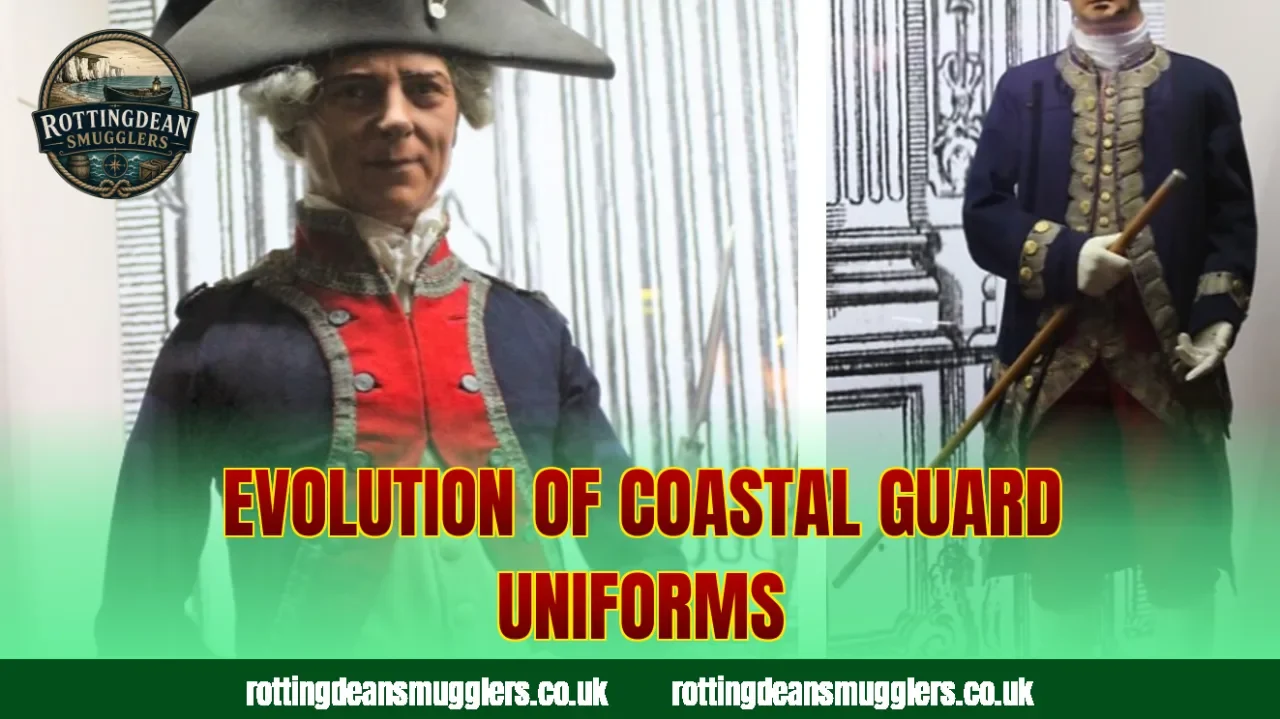
Because many coastguard recruits came directly from the Royal Navy, naval tailoring traditions had a notable impact on how 18th century coastguard uniforms were constructed and worn. The long-skirted coat, tight cuffs, and standing collar all reflected naval conventions adapted for land and inshore service. This crossover gave coastal officers a commanding presence that helped them assert authority even when facing large gangs of armed smugglers.
18th century coastguard uniforms: Materials and construction details
Beyond their appearance, the physical construction of these uniforms reveals much about the conditions coastguard officers faced daily. Fabric choices, stitching techniques, and tailoring methods were all informed by the harsh realities of coastal patrol work.
Wool broadcloth as the foundation fabric
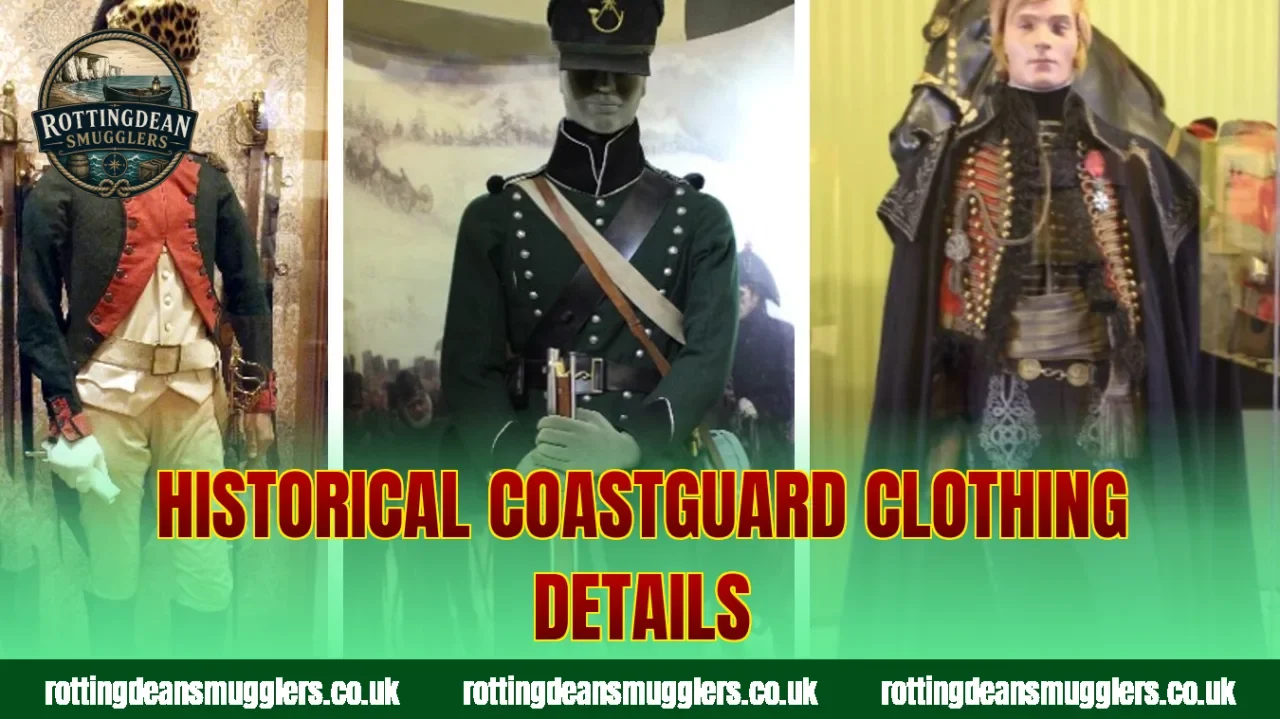
Heavy wool broadcloth was the dominant material used in 18th century coastguard uniforms, chosen for its durability in wet and wind-battered environments. This tightly woven fabric repelled light rain reasonably well and held its shape even after repeated soaking from sea spray. Most coats were dyed in deep navy blue or dark bottle green, colors that resisted fading and also made officers harder to spot during nighttime patrols along unlit cliffs and beaches.
Button insignia and official markings
Brass buttons were among the most distinctive features of 18th century coastguard uniforms, often stamped with the royal cypher or the arms of the Customs and Excise service. These were not decorative choices — they served as proof of official appointment and could be demanded for inspection by senior officers or magistrates. Counterfeit versions existed, worn by criminals attempting to impersonate officers, which prompted the government to issue periodic updates to button designs.
Oilskin capes and weatherproof additions
To cope with the brutal English Channel weather, officers frequently added oilskin capes or short cloaks over their standard 18th century coastguard uniforms. These treated garments were rubbed with linseed oil to create a water-resistant surface, allowing men to maintain patrols through heavy rain and coastal storms. Boots were made from heavy-cured leather, often reaching the knee, and were regularly treated with tallow to prevent cracking from saltwater exposure.
Regional variations across England’s coastline
While central directives set broad standards, considerable variation existed between different coastal districts. Local commanders, budget constraints, and regional tailoring traditions all contributed to a patchwork of related but distinct uniform styles across Georgian England.
Sussex and Kent: The front line of enforcement
Officers stationed along the Sussex and Kent coasts operated in perhaps the most smuggling-intensive region in all of Britain, and their 18th century coastguard uniforms reflected this heightened operational tempo. Extra reinforcing was common at the shoulders and forearms, areas most stressed during physical confrontations with smugglers. Accounts from the period describe officers in these counties wearing heavier coats with deeper pockets designed to carry lanterns, flasks of spirits, and handwritten patrol logs.
Northern districts and colder climate adaptations
In northern England and Scotland, 18th century coastguard uniforms were often modified with additional wool lining and longer coat skirts to protect against far harsher winter conditions. Fur-trimmed collars appeared in some Scottish customs records, though these were unofficial additions made at the officer’s own expense. The base coat remained consistent with southern designs, preserving institutional uniformity while allowing individual adaptation to local climates.
Port towns versus open beach patrols
Officers assigned to busy port towns like Bristol, Portsmouth, or Harwich wore a slightly more formal version of the 18th century coastguard uniforms standard, reflecting the more administrative and public-facing nature of their role. In contrast, men patrolling open beaches and clifftops prioritized function over formality, sometimes wearing shortened coat versions called riding frocks that allowed freer movement on horseback. This distinction between port and patrol dress became increasingly codified as the century progressed.
| Uniform element | Material used | Primary function | Regional variation |
|---|---|---|---|
| Main coat | Wool broadcloth | Weather protection, authority | Longer skirts in northern districts |
| Buttons | Brass with official stamp | Identity verification | Cypher changed periodically |
| Cape or cloak | Oilskin-treated wool | Waterproofing during storms | More common in Sussex and Kent |
| Boots | Heavy cured leather | Durability in saltwater terrain | Knee-high standard in all regions |
| Hat | Felt or beaver-felt | Visibility and rank indicator | Cocked hat in ports, round hat on patrol |
| Lining | Linen or extra wool | Insulation and comfort | Heavier lining in Scottish districts |
Conclusion
18th century coastguard uniforms represent a fascinating intersection of fashion, function, and institutional power in Georgian Britain. They evolved from makeshift civilian dress into a carefully designed system of garments that communicated authority, withstood the elements, and adapted to regional demands across England’s varied coastline. For anyone with a passion for maritime history, smuggling culture, or period costume research, these uniforms offer an extraordinarily rich subject. Explore the deeper story behind the men who wore them by visiting Rottingdean Smugglers and discovering the living history preserved along the Sussex coast.
Xem thêm: Smugglers lantern types – Secret night signals