Brandy and silk smuggling history reveals a world of audacious criminals, secret networks, and coastal communities living double lives beneath the noses of the Crown. From the rocky shores of Sussex to the hidden cellars of inland villages, contraband trade shaped the social and economic fabric of 18th-century England in ways that textbooks rarely capture. This article uncovers the real mechanisms behind one of Britain’s most romanticized criminal enterprises, tracing how free traders operated, who protected them, and why brandy and silk became the ultimate symbols of a nation divided between law and survival.
Brandy and silk smuggling history along England’s coast
The southern coastline of England was not merely a geographic boundary — it functioned as an open marketplace where contraband flowed freely between France and the English countryside. Understanding brandy and silk smuggling history requires a close look at how geography, taxation, and human ambition converged in this volatile stretch of shoreline.
Why high taxes fueled the underground trade
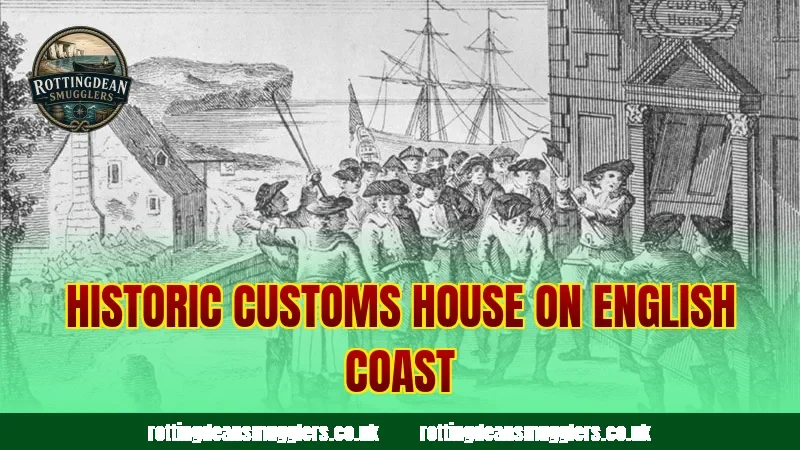
The British government levied steep excise duties on luxury imports throughout the 1700s, making legal brandy and fine silk unaffordable for most households. Brandy and silk smuggling history is deeply rooted in this fiscal pressure, which essentially handed criminal entrepreneurs a ready-made market. Free traders exploited the price gap between French goods and taxed English alternatives, turning contraband into a business model that communities actively supported and protected.
The coastal villages that kept the secret
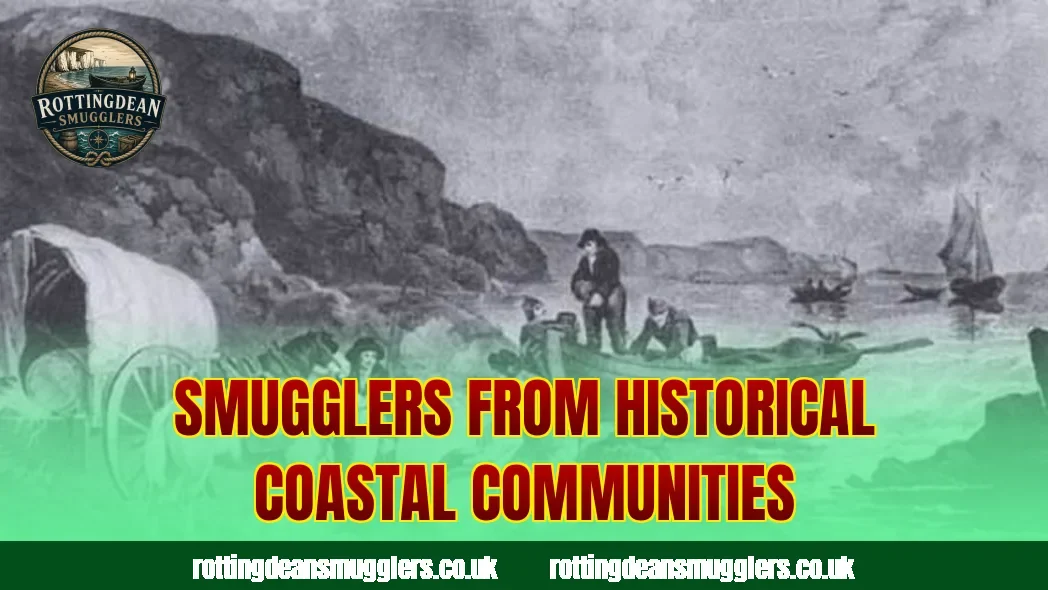
Villages like Rottingdean, Hastings, and Rye were not passive bystanders in this trade — they were active infrastructure. Fishermen doubled as couriers, innkeepers stored casks behind false walls, and local magistrates frequently looked the other way in exchange for a share of the profits. Brandy and silk smuggling history cannot be told without acknowledging that entire communities conspired to keep the revenue men blind and the goods moving inland by nightfall.
How moonlit beaches became trading floors
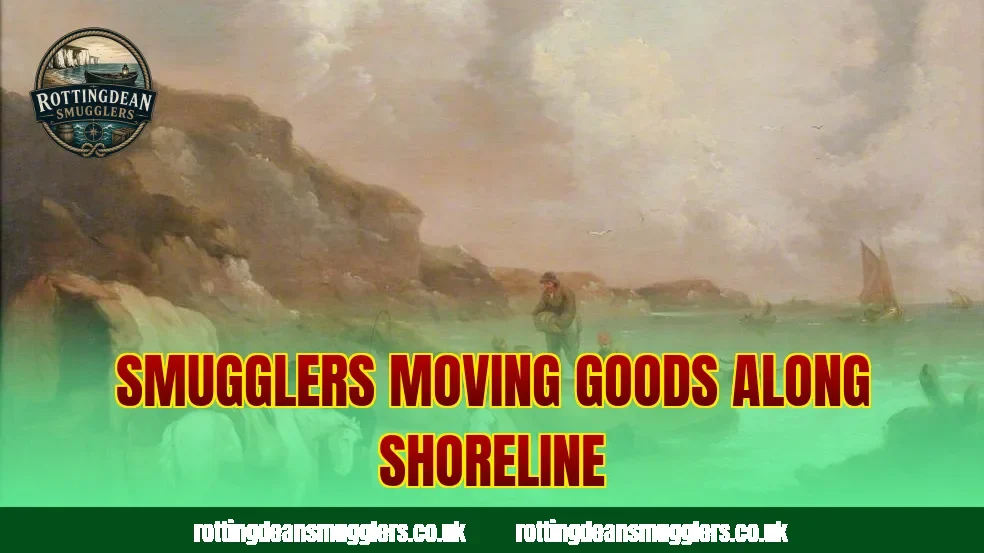
Landings were meticulously planned around tidal cycles, moon phases, and the patrol schedules of the coastguard. A signal from a clifftop would alert dozens of waiting men below to begin unloading tubs and bales from shallow-draft vessels anchored just beyond the surf. Brandy and silk smuggling history is rich with accounts of these nocturnal operations, where a single night’s run could yield profits equivalent to months of honest labor for every man involved.
Brandy and silk smuggling history: key figures exposed
Behind every successful smuggling operation stood individuals of remarkable organizational ability, ruthlessness, and local authority. The figures who shaped brandy and silk smuggling history were neither mere thieves nor romantic outlaws — they were calculated criminal operators who built durable networks across county lines.
The Hawkhurst Gang and their brutal reign
Active during the 1730s and 1740s, the Hawkhurst Gang transformed brandy and silk smuggling history from opportunistic trade into organized crime on a scale that alarmed the British government. They controlled smuggling routes across Kent and Sussex through a combination of bribery, intimidation, and outright violence against informers and excise officers alike. Their eventual downfall, triggered by the brutal murder of two witnesses, led to a series of hangings that became cautionary symbols for the entire free-trading fraternity.
Local leaders who managed the supply chain
Not all kingpins operated with the Hawkhurst Gang’s aggression — some ruled through reputation, reliability, and financial acumen. These local leaders managed the purchasing of goods in France, the coordination of landing crews, and the distribution of profits in ways that mirror modern supply chain logic. Brandy and silk smuggling history records several such figures who amassed considerable wealth and were buried in village churchyards with respectable epitaphs, their crimes conveniently forgotten by the community they had enriched.
The role of corrupt officials in protecting networks
Custom officers on meager government salaries proved easy targets for bribery, and many accepted regular payments to stay indoors on landing nights. Brandy and silk smuggling history documents cases where local magistrates delayed prosecutions, constables provided advance warnings of raids, and even members of the clergy allowed church crypts to be used for temporary storage. Corruption was not a peripheral detail — it was structural to how the trade survived decade after decade.
Hidden routes and methods that defined the era
The operational genius of 18th-century smugglers lay not just in their boldness but in the elaborate systems they devised for moving goods inland without detection. These methods are central to any serious examination of brandy and silk smuggling history, revealing a level of planning that rivaled any legitimate commercial enterprise of the period.
Secret tunnels, caves, and concealed cellars
Contraband rarely sat on a beach for long — it was quickly moved into a web of underground storage that spanned coastal cliffs, farmhouse cellars, and church vaults. Brandy and silk smuggling history is punctuated by discoveries of bricked-up tunnels and hidden chambers that connected shoreline landing points to locations miles inland. These passages were engineered with considerable skill, lined to prevent collapse, and known only to trusted members of the network who could lose their lives for sharing the knowledge.
Pack horses and human chains moving goods inland
Once off the beach, contraband traveled by pack horse along routes deliberately chosen for their obscurity — sunken lanes, forest tracks, and dry riverbeds that avoided toll roads and well-traveled highways. A single landing could mobilize over a hundred men forming relay chains that stretched from the shore to a safe house ten miles away. Brandy and silk smuggling history preserves accounts of these operations, where absolute silence was enforced and informers faced consequences that discouraged any temptation to speak to the authorities.
Disguises, decoys, and misdirection tactics
Smugglers used decoy landings, false sightings, and diversionary fires to draw revenue men away from the actual drop point. Goods were disguised as legitimate cargo, tubs of brandy concealed beneath fish catches, and bolts of silk hidden within bales of ordinary wool. Brandy and silk smuggling history shows that misdirection was as important as physical concealment — outwitting the excise service was a craft that was refined through generations of trial and costly error.
| Period | Key smuggling hub | Primary contraband | Notable event |
|---|---|---|---|
| 1700–1730 | Rottingdean, Sussex | Brandy, silk, lace | Organized landing networks established |
| 1730–1749 | Hawkhurst, Kent | Brandy, tea, tobacco | Hawkhurst Gang’s violent dominance |
| 1749–1765 | Romney Marsh, Kent | Silk, spirits, playing cards | Increased military intervention coastguard |
| 1765–1800 | Rye, East Sussex | Brandy, French lace | Preventive Water Guard introduced |
| 1800–1831 | Folkestone, Kent | Spirits, silk, salt | Coastguard formally established, trade declined |
Conclusion
Brandy and silk smuggling history is far more than a collection of colorful tales — it is a documented record of economic resistance, social complicity, and institutional failure that defined a significant chapter in British coastal life. The networks, figures, and methods explored here reveal an underground economy that operated with remarkable sophistication for over a century. To explore this history further through the lens of one of England’s most storied communities, visit Rottingdean Smugglers and discover how this Sussex village lived at the very heart of the free-trading era.
Xem thêm: Historical smuggling hiding places – Secret caves