
Beacon Hill local nature reserve is one of the most remarkable green spaces along the East Sussex coastline, offering a rare blend of chalk downland, diverse wildlife, and sweeping sea views. Few places in southern England manage to pack so much ecological richness into such a compact area. Whether you are a birdwatcher, a wildflower enthusiast, or simply someone who enjoys a peaceful walk away from the crowds, this reserve delivers an experience that feels genuinely rewarding every single visit.
Beacon Hill local nature reserve: a wild coastal gem
Sitting just above the village of Rottingdean, the Beacon Hill local nature reserve commands a dramatic hilltop position where the South Downs meet the English Channel. The landscape here has been shaped by centuries of grazing and natural coastal erosion, creating a mosaic of habitats that supports an extraordinary range of species. Visitors often describe the first view from the ridge as genuinely breathtaking, with the sea stretching out to the horizon on one side and rolling chalk hills fading inland on the other.
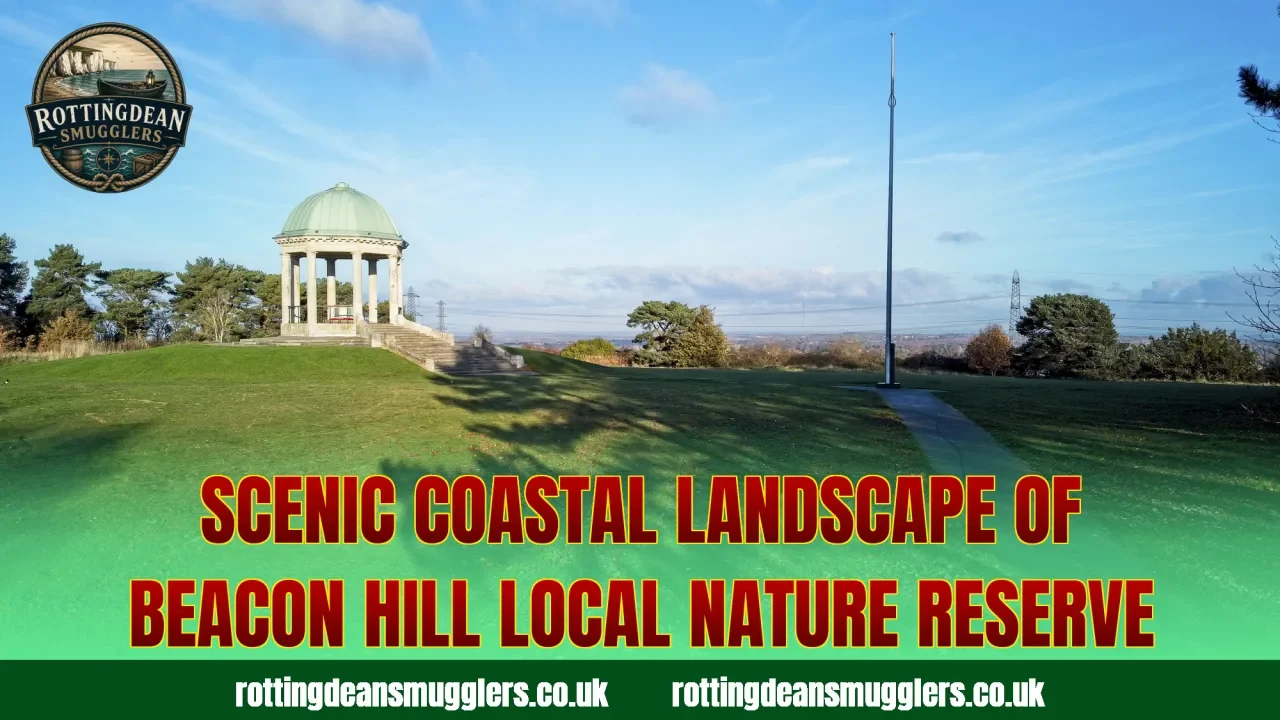
The chalk grassland ecosystem explained
The Beacon Hill local nature reserve sits on a foundation of ancient chalk grassland, one of the most species-rich habitats found anywhere in lowland Britain. This type of habitat takes centuries to develop and cannot be recreated once lost, making every square metre of surviving chalk turf genuinely precious. The thin, nutrient-poor soil discourages coarse grasses from dominating, which allows dozens of specialist wildflower species to thrive in close proximity without being crowded out.
How the reserve boundary was established
The formal designation of this site as a local nature reserve came after years of ecological surveys and community advocacy from residents who recognised the land’s irreplaceable value. Brighton and Hove City Council worked alongside conservation bodies to define boundaries that protected the most sensitive chalk grassland areas while still allowing responsible public access. This careful balance between preservation and accessibility is what makes the Beacon Hill local nature reserve such a successful model for urban-edge nature conservation in the UK.
Seasonal changes that transform the landscape
Each season brings a completely different character to the reserve, from the pale purple haze of autumn devil’s-bit scabious to the bright yellow of spring cowslips pushing through the short turf. Summer brings the greatest variety of flowering plants and insects, while winter strips the landscape back to reveal the clean lines of the chalk hillside against grey coastal skies. The Beacon Hill local nature reserve rewards repeat visits throughout the year, as there is always something new to observe no matter when you arrive.
Beacon Hill local nature reserve wildlife and biodiversity
The ecological value of this site extends far beyond its wildflowers, encompassing a wide range of invertebrates, birds, and small mammals that depend on chalk downland habitats for their survival. Conservation surveys carried out over recent decades have consistently recorded species that are declining elsewhere in Britain, underlining the genuine importance of protecting places like this. The Beacon Hill local nature reserve functions as a vital refuge in a landscape that has otherwise been heavily modified by development and intensive agriculture.
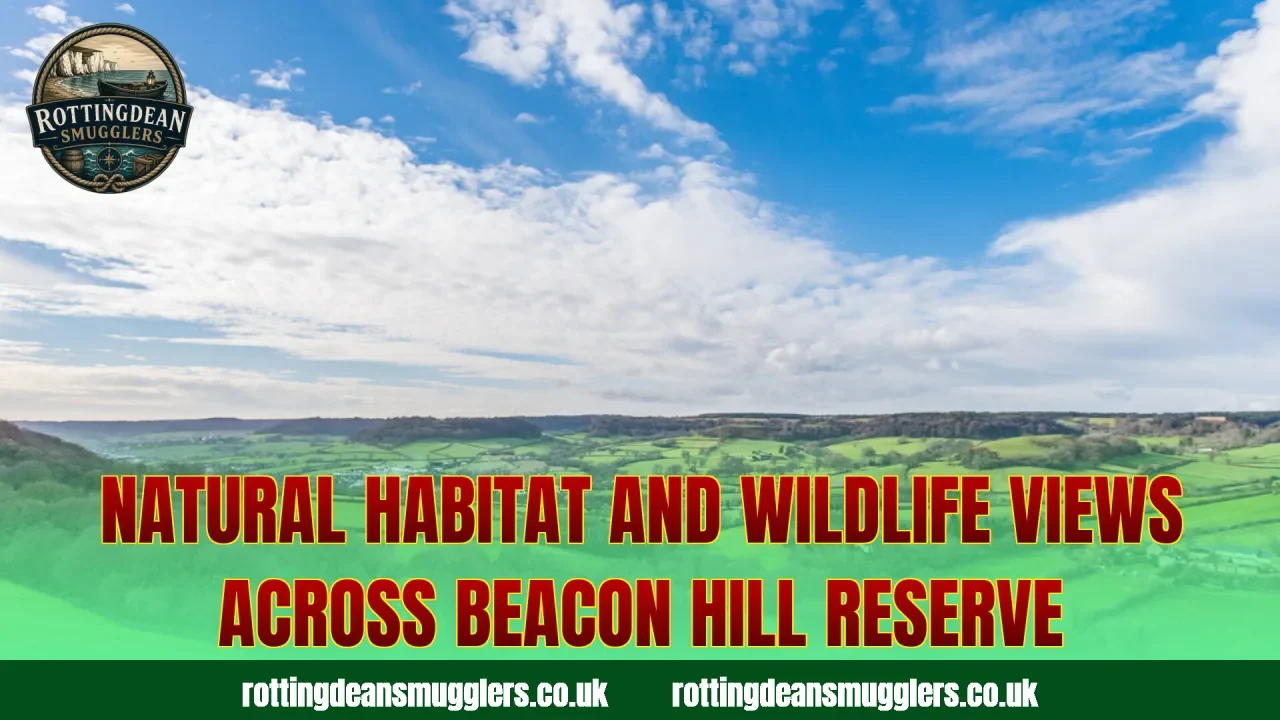
Butterfly species thriving on the downland
The short chalk turf of the Beacon Hill local nature reserve provides ideal conditions for several butterfly species that have become scarce across much of southern England. The chalkhill blue is perhaps the most celebrated resident, with males producing a distinctive silvery-blue shimmer when they bask in warm afternoon sunlight. Marbled whites, dark green fritillaries, and small blues also appear here during the summer months, drawing dedicated lepidopterists from across the region to record and photograph these increasingly rare insects.
Bird life along the coastal ridge
The elevated position of the reserve makes it an excellent vantage point for observing both resident and migratory bird species throughout the year. Skylarks nest in the open grassland during spring and summer, filling the air with their cascading song from dawn onwards, while peregrine falcons occasionally hunt along the cliff edge below. The Beacon Hill local nature reserve also sits on a migration corridor used by thousands of birds moving along the coast each autumn, making it a productive site for birdwatchers hoping to spot unusual species blown in from the Continent.
Rare plants found nowhere else nearby
Botanists have recorded a remarkable list of specialist chalk plants within the reserve boundaries, including round-headed rampion, which is the county flower of Sussex and grows here in healthy numbers. Autumn gentian, clustered bellflower, and fragrant orchid all appear in suitable areas of the reserve during their respective flowering seasons. The presence of these indicator species confirms that the Beacon Hill local nature reserve retains the ecological integrity needed to support a genuinely ancient chalk grassland community.
Visiting tips, access, and practical information
Planning a visit to the reserve is straightforward, but a few practical details will help you make the most of your time on the hill. The site is freely accessible to the public throughout the year, with no entry fees or advance booking required, which makes it an ideal destination for spontaneous walks or family outings. Understanding the terrain and knowing what to bring will ensure that your experience at the Beacon Hill local nature reserve is comfortable and genuinely enjoyable from start to finish.
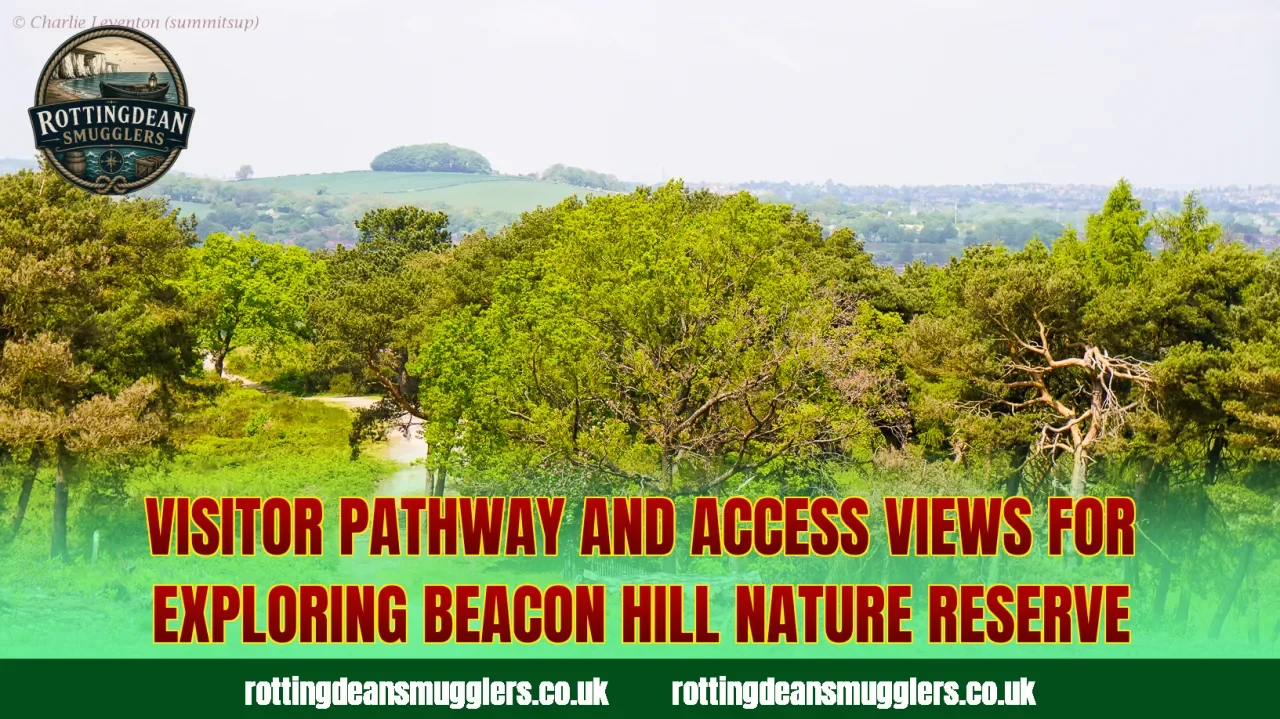
Getting there from Rottingdean village
The reserve is most easily reached on foot from Rottingdean village, following well-marked footpaths that climb steadily from the seafront up onto the chalk ridge above. The walk from the village centre to the heart of the reserve takes approximately twenty minutes at a comfortable pace, passing through areas of scrub and open grassland as the path gains height. Parking is available in Rottingdean itself, and the Beacon Hill local nature reserve is also accessible via the South Downs Way for those arriving on longer walking routes.
Best times to visit for wildlife spotting
Late June through to early September represents the peak period for wildflowers and butterflies, when the chalk turf is at its most colourful and insect activity reaches its annual high point. Early morning visits during this window are particularly rewarding, as the light is softer, the air is cooler, and many species are most active before the midday heat sets in. The Beacon Hill local nature reserve is also worth visiting on calm autumn days when migrating birds are moving through and the views across the Channel are at their clearest.
Responsible access and conservation etiquette
Visitors are asked to keep dogs on leads during the ground-nesting bird season, which runs from approximately March through to July each year. Staying on established paths helps protect the fragile chalk turf from compaction, which can damage plant root systems and reduce the habitat quality over time. Respecting these simple guidelines ensures that the Beacon Hill local nature reserve remains in excellent condition for future generations of wildlife and the people who come to enjoy it.
| Feature | Details |
|---|---|
| Location | Above Rottingdean village, East Sussex, BN2 |
| Habitat type | Chalk downland, coastal scrub, cliff-edge grassland |
| Key species | Chalkhill blue butterfly, skylark, round-headed rampion |
| Best visit season | Late June to early September for peak wildlife |
| Access | Free, open all year, footpaths from Rottingdean |
| Managed by | Brighton and Hove City Council |
| Dog policy | On leads March to July during nesting season |
Conclusion
Beacon Hill local nature reserve stands as a genuinely irreplaceable piece of the Sussex landscape, combining ecological richness with accessible open space in a way that few urban-edge nature sites manage to achieve. Its chalk grassland, diverse wildlife, and spectacular coastal views make it a destination that deserves far more recognition than it currently receives. If you are exploring the area and want to discover more hidden gems nearby, Rottingdean Smugglers is the perfect starting point for uncovering the history and character of this remarkable coastal village.
See more: Rottingdean seafront cafes – Best ocean views