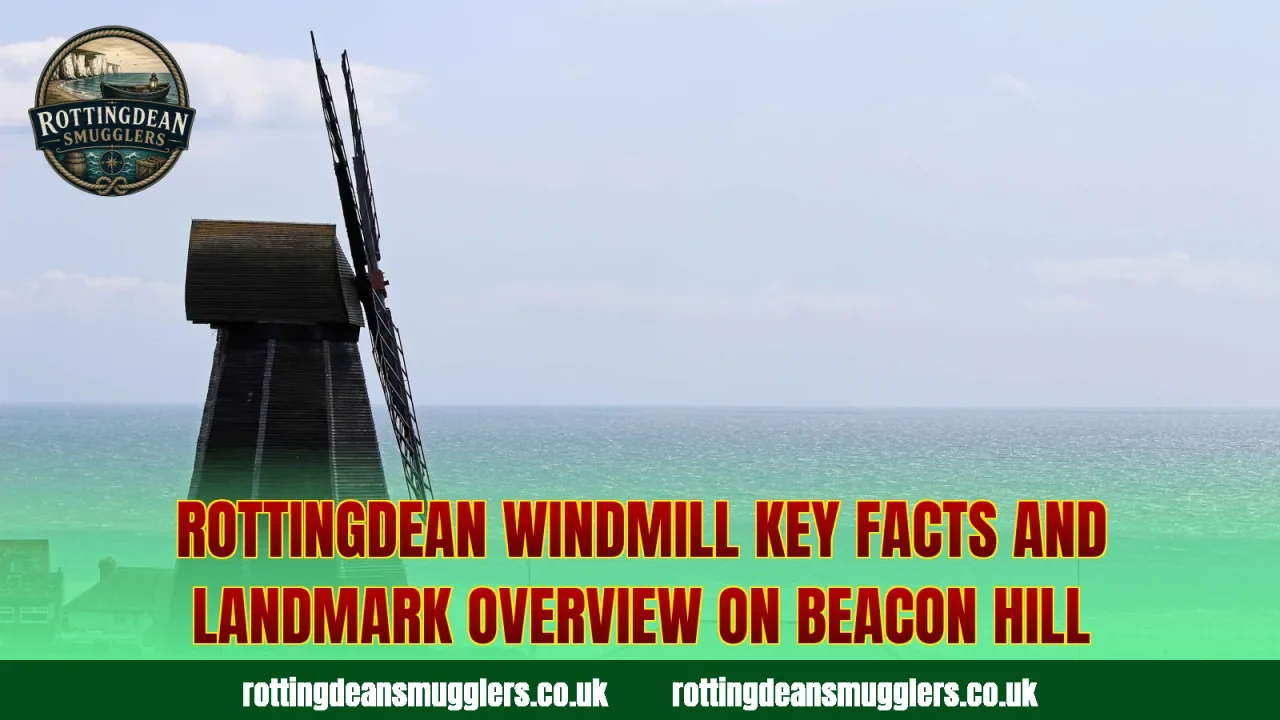
Rottingdean windmill history is one of the most compelling chapters in the story of this quiet Sussex village. Standing proudly on Beacon Hill, the windmill has watched over Rottingdean for centuries, surviving storms, neglect, and the slow march of modernity. What makes it so remarkable is not just its age, but the layers of human life woven into its stones — from working millers to wartime lookouts, from smugglers’ signals to beloved local landmarks.
Rottingdean windmill history on Beacon Hill
Few structures along the East Sussex coastline carry as much quiet authority as this old tower mill. Its silhouette against the sea has become inseparable from the village’s identity, drawing historians, walkers, and curious visitors alike.
Origins of the mill and its early purpose
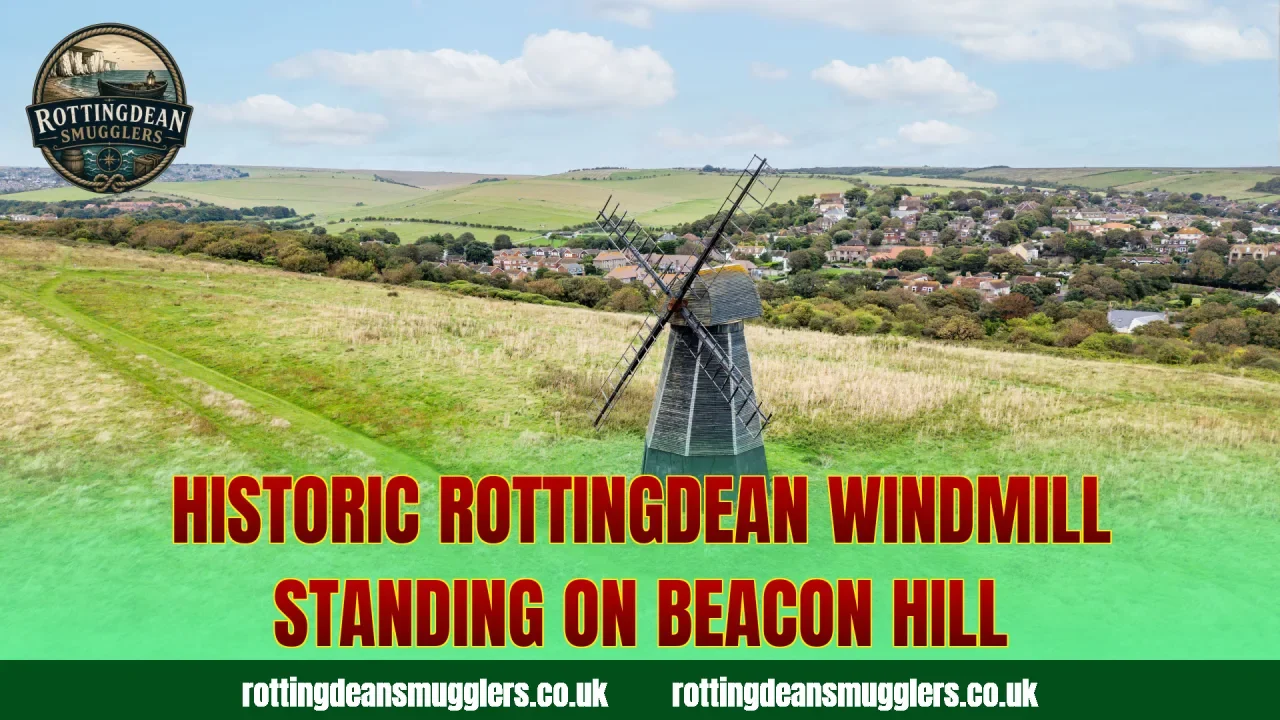
The Rottingdean windmill history begins in the late eighteenth century, when the tower mill was constructed on the high ground of Beacon Hill, overlooking the English Channel. Built primarily to grind grain for local farmers and households, the mill served a practical community need during a time when wind-powered milling was essential to rural life. Its elevated position was no accident — the hilltop location caught the prevailing coastal winds reliably, making it one of the more productive mills in the region during its working years.
The structure and its architectural character
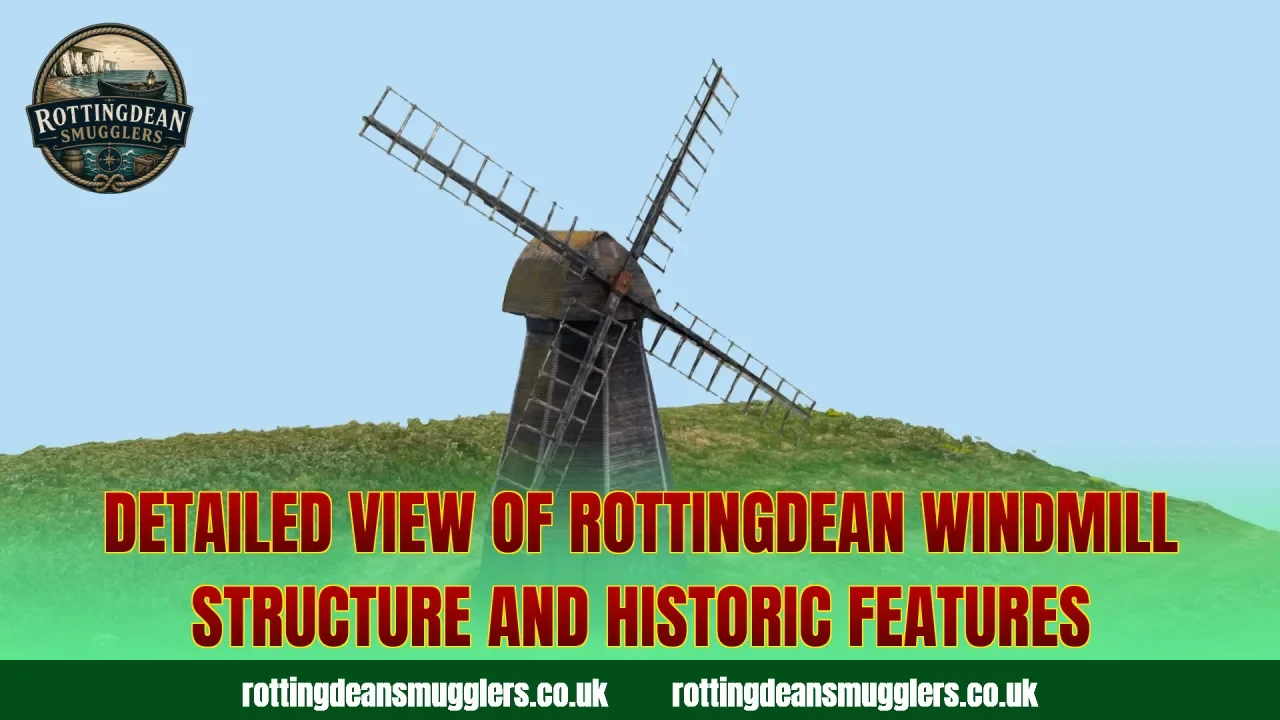
Unlike post mills or smock mills common elsewhere in Sussex, the Rottingdean mill is a tower mill — a round, tapering brick structure designed for durability and stability against coastal gales. The thick flint and brick walls were built to withstand decades of use, and they have done exactly that, outlasting the machinery that once filled them. Understanding the Rottingdean windmill history means appreciating how this robust design reflected the practical ingenuity of local builders who knew the unpredictable nature of the Channel weather.
Who owned and operated the mill over time
Records suggest the mill passed through several hands during its operational life, with local milling families managing its day-to-day work through much of the nineteenth century. The Rottingdean windmill history during this period is closely tied to the broader agricultural economy of the Sussex Downs, when small communities depended on local mills for their flour supply. As industrialisation brought cheaper, faster alternatives, the windmill gradually fell out of commercial use, marking the end of an era that had defined village life for generations.
Rottingdean windmill history and its smuggling connections
Beacon Hill was never just a site for milling grain. Its commanding height made it equally valuable as a vantage point, and this dual purpose connects the windmill directly to one of Rottingdean’s most colourful chapters.
The windmill as a signal point for smugglers
The Rottingdean windmill history is deeply intertwined with the village’s notorious smuggling past, particularly during the eighteenth century when contraband trade flourished along this stretch of coastline. The mill’s elevated position on Beacon Hill made it an ideal location for signalling between shore-based gangs and vessels waiting offshore. Sails could be positioned at particular angles to communicate messages, a practice that required the cooperation — or at least the silence — of anyone working near the mill at night.
Beacon Hill’s role in coastal surveillance
Long before the windmill was built, Beacon Hill carried a different kind of significance as a fire beacon site used to warn of approaching threats from the sea. This heritage of watchfulness gave the location a natural authority that smuggling gangs later exploited for their own purposes. The Rottingdean windmill history sits at the crossroads of legitimate industry and clandestine trade, reflecting the complex moral landscape of a coastal village where survival often depended on bending the rules.
Local legends tied to the old tower
Over generations, stories have accumulated around the mill — tales of hidden tunnels, midnight lantern signals, and Revenue men outwitted by villagers who knew the land far better than any outsider. While not all of these accounts can be verified, they form an important part of the oral tradition that keeps the Rottingdean windmill history alive in local memory. These legends are not mere entertainment; they reflect genuine historical tensions between the Crown’s tax collectors and a community that resented interference with its informal economy.
Decline, preservation, and the mill today
Every old structure eventually faces the question of survival, and Rottingdean’s windmill is no exception. The story of how it endured into the twenty-first century is one of community commitment and careful stewardship.
The end of milling and early years of neglect
By the latter half of the nineteenth century, the Rottingdean windmill history entered a quieter, sadder phase as steam-powered mills made wind-driven grinding economically unviable. The sails were eventually removed, the machinery fell silent, and the tower stood increasingly bare against the Sussex skyline. Without active use, the structure began to deteriorate, and for a period it seemed possible that the mill might simply crumble away, as so many of its counterparts across England had already done.
Restoration efforts and heritage recognition
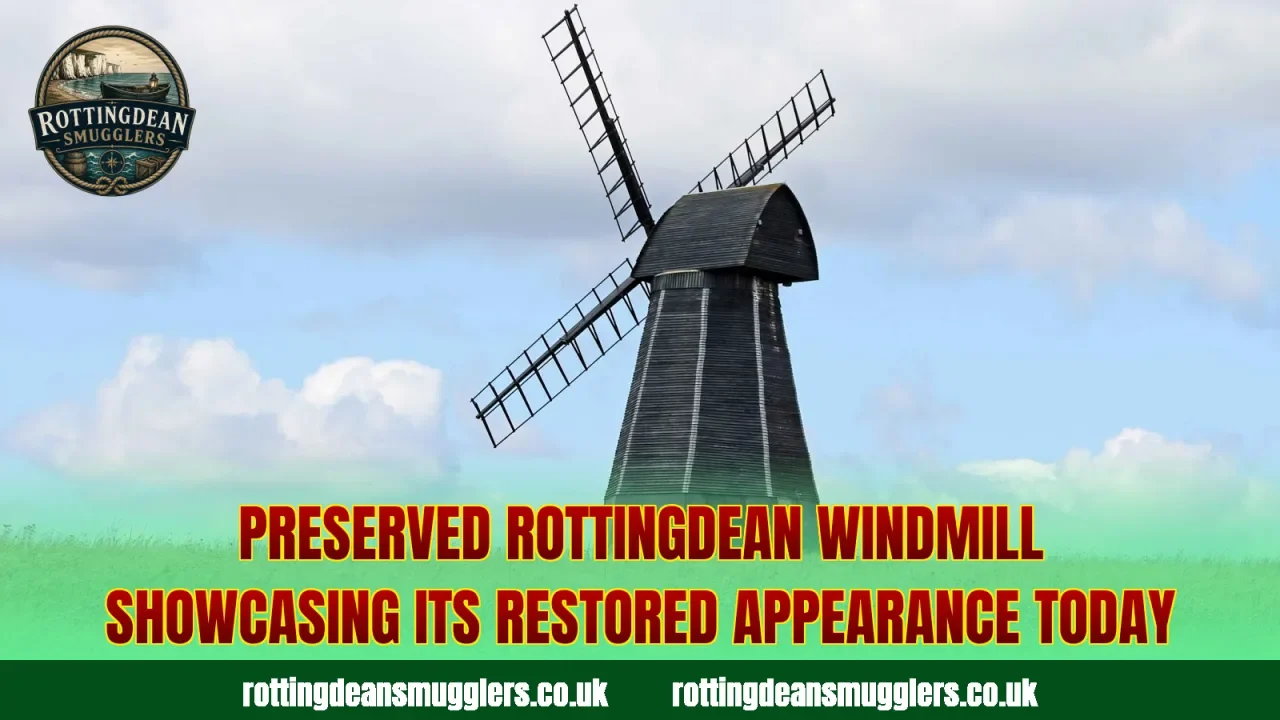
Fortunately, growing appreciation for industrial heritage in the twentieth century brought renewed attention to the mill’s condition. Local preservation groups, heritage organisations, and the village community recognised that the Rottingdean windmill history represented something irreplaceable — a physical connection to the working lives of ordinary Sussex people across several centuries. Restoration work has focused on stabilising the tower and maintaining its visual integrity, ensuring that the structure continues to define the Beacon Hill skyline for future generations.
What visitors can expect when they arrive
Today, the windmill remains one of the most photographed landmarks in East Sussex, attracting visitors who come for the views as much as the history. The walk up Beacon Hill rewards with panoramic vistas across the Channel and along the chalk cliffs toward Brighton and beyond. The Rottingdean windmill history is best understood in person, standing beside the old tower and looking out over the same seascape that millers, smugglers, and wartime sentinels once surveyed from this very spot.
Key facts about Rottingdean windmill at a glance
The following table summarises the most important historical details associated with the mill, offering a concise reference for those researching the site.
| Detail | Information |
|---|---|
| Location | Beacon Hill, Rottingdean, East Sussex |
| Mill type | Tower mill (brick and flint construction) |
| Approximate construction date | Late eighteenth century |
| Primary original function | Grain milling for local agricultural community |
| Secondary historical role | Signalling point associated with coastal smuggling |
| Operational period | Approximately late 1700s to mid-to-late 1800s |
| Current status | Preserved heritage landmark, publicly accessible hilltop |
| Nearest town | Brighton, approximately 5 miles west |
Conclusion
Rottingdean windmill history offers far more than a simple account of an old building — it opens a window onto centuries of coastal life, honest labour, and the shadowy world of Sussex smuggling. Every stone in that tower carries the memory of a community that was resourceful, resilient, and deeply connected to the land and sea around it. To learn more about the village’s extraordinary past, explore Rottingdean Smugglers and discover the full story waiting on Beacon Hill.
Xem thêm: Rottingdean Smugglers Caves | Coastal Tales And Secrets