Captain Nicholas Tettersell story is one of the most gripping tales of loyalty, danger, and seafaring courage in English history. In September 1651, a Brighton fishing captain risked everything to smuggle a fugitive king across the Channel to safety in France. This single voyage changed the fate of the English monarchy forever. Who was this man, what drove him to take such a deadly risk, and how did his bold act earn him a place in royal history? Read on to discover the full account.
Captain Nicholas Tettersell story: the man behind the mission
Few figures in seventeenth-century England carried as much quiet courage as Nicholas Tettersell did. He was a Brighton-based mariner, well acquainted with the Sussex coastline and the treacherous waters of the English Channel.
Early life and seafaring background
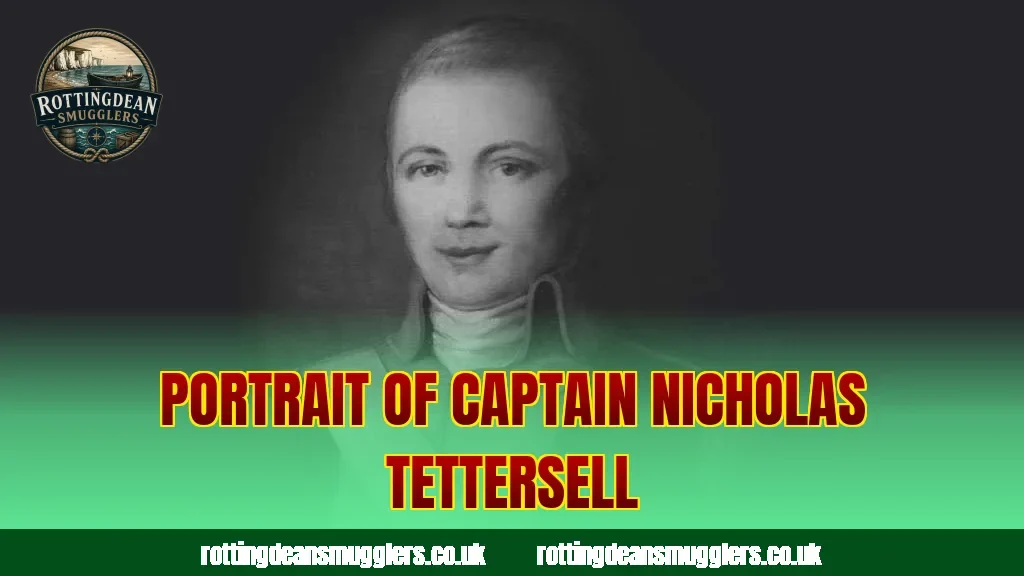
The Captain Nicholas Tettersell story begins long before the famous voyage of 1651, rooted in a life shaped by the sea and the tight-knit maritime community of Brighton. Tettersell was born around 1620 and spent his formative years learning the rhythms of coastal trade, fishing routes, and the unpredictable moods of the Channel. His vessel, the coal brig Surprise, was modest but sturdy, perfectly suited to the shallow harbours and shifting tides of the Sussex coast. He was not a man of great wealth or political influence, yet his knowledge of the sea made him invaluable at the most critical moment in Stuart history.
A royalist sympathiser in dangerous times
England in 1651 was a nation fractured by civil war, and anyone seen supporting the Royalist cause risked imprisonment or worse. The Captain Nicholas Tettersell story cannot be understood without appreciating how dangerous it was to openly back King Charles II after the Parliamentary forces had crushed the Royalist army at the Battle of Worcester. Tettersell’s sympathies lay with the Crown, but he kept them carefully hidden. When a network of Royalist agents approached him with an extraordinary request — to ferry a disguised fugitive to France — he understood the risk immediately. He agreed nonetheless, driven by loyalty, faith, and perhaps a seafarer’s instinct for historic moments.
The coal brig Surprise and its secret cargo
The vessel at the heart of the Captain Nicholas Tettersell story was the Surprise, a small coal-carrying brig registered out of Brighton. On the evening of 14 September 1651, Tettersell quietly prepared his ship for what appeared to be a routine trading voyage to France. His crew was told nothing of the true nature of the passenger they were carrying. The fugitive, travelling under the false name “Will Jackson,” was in reality King Charles II, the exiled monarch who had narrowly escaped capture after Worcester. Tettersell guided the Surprise out of Shoreham harbour under cover of darkness, beginning one of the most consequential sea crossings in British royal history.
Captain Nicholas Tettersell story: the royal escape voyage
The crossing itself was fraught with tension, requiring Tettersell to navigate Parliamentary patrol vessels while keeping his royal passenger hidden below deck. Every mile gained across the Channel brought both men closer to safety — and further from the gallows.
Navigating the Channel under Parliamentary threat
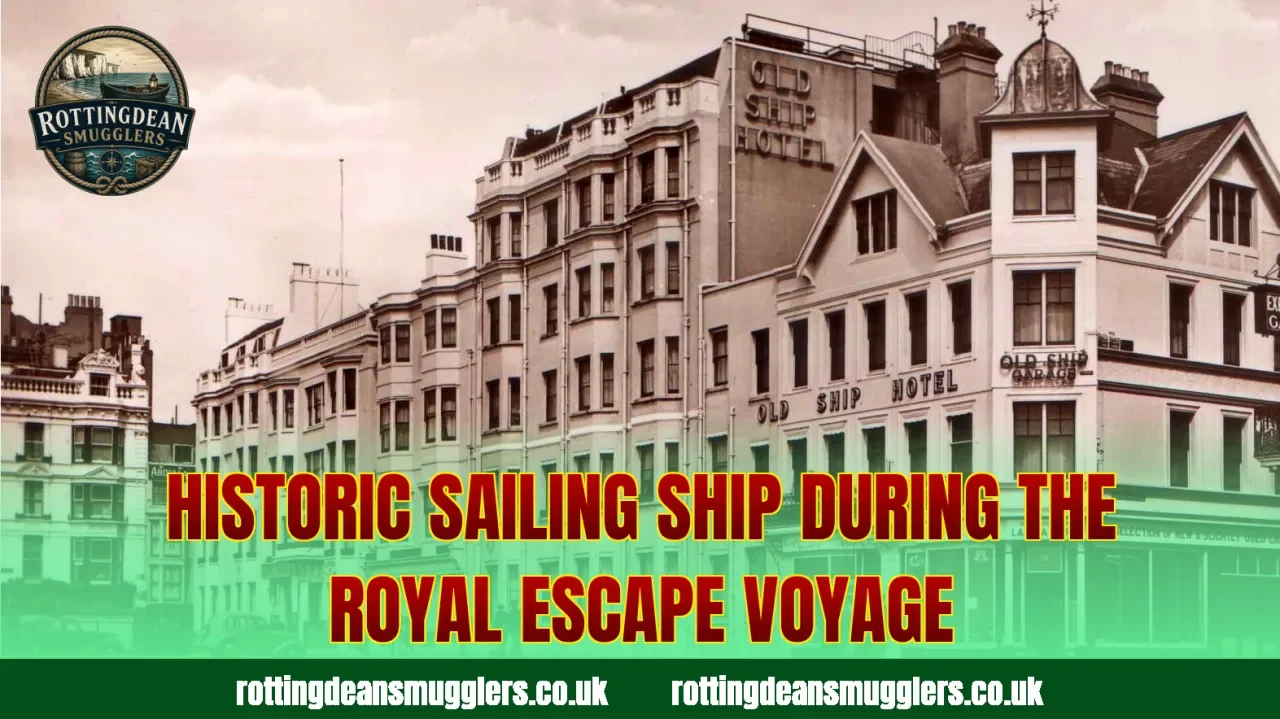
The Captain Nicholas Tettersell story reaches its most dramatic peak during the overnight Channel crossing of September 1651. Parliamentary naval vessels patrolled the waters between England and France, and any suspicious vessel could be boarded and searched without warning. Tettersell steered the Surprise with practised calm, using his intimate knowledge of tidal patterns and coastal landmarks to avoid detection. The king remained hidden throughout the voyage, relying entirely on Tettersell’s seamanship and nerve. By the early morning of 15 September, the coast of Normandy appeared through the mist, and the most dangerous part of the journey was over.
Arrival at Fécamp and the king’s gratitude
When the Surprise anchored off the Normandy port of Fécamp, Charles II stepped ashore and breathed free air for the first time in weeks. The Captain Nicholas Tettersell story records that the king, deeply moved by the captain’s bravery, expressed profound personal gratitude before parting ways. Tettersell then sailed quietly back to England, returning to his ordinary life as a Brighton mariner. He kept his role in the escape largely secret for the next nine years, knowing that any disclosure could still bring Parliamentary retribution. The full story would only emerge after the Restoration of the monarchy in 1660.
The risk of discovery and Tettersell’s silence
One of the most remarkable aspects of the Captain Nicholas Tettersell story is how long Tettersell managed to conceal his involvement. He returned to Brighton and resumed trading along the Sussex coast, speaking to almost no one about what had happened aboard the Surprise. Parliamentary agents were actively hunting those who had aided the fugitive king, and a single careless word could have meant arrest and execution. His silence was not cowardice — it was a calculated act of self-preservation that ultimately allowed him to live long enough to receive his reward. When Charles II was finally restored to the throne, Tettersell’s patience proved well worth the wait.
Legacy and rewards of a loyal sea captain
The Restoration of 1660 transformed Tettersell’s fortunes entirely. Charles II, a man famously loyal to those who had served him in his darkest hours, remembered exactly what the Brighton mariner had risked on his behalf.

Royal recognition after the Restoration
After Charles II reclaimed his throne in May 1660, the Captain Nicholas Tettersell story entered its final, triumphant chapter. The king granted Tettersell a substantial annual pension of £100, a significant sum for a man of his background. The Surprise was purchased by the Crown, renamed Royal Escape, and given an honoured place in the Royal Navy — a symbolic acknowledgement of the vessel’s extraordinary service. Tettersell himself was appointed captain of the newly renamed ship, giving him a formal naval commission he could never have imagined in his earlier life. His transformation from humble fishing captain to royal servant was complete.
The Brighton connection and local memory
Brighton has long celebrated its connection to the Captain Nicholas Tettersell story, recognising the town’s role in one of the most dramatic episodes of Stuart history. A public house in the town was named the King’s Head in honour of the event, and Tettersell’s name became a source of local pride for generations. The Sussex coast, already rich with tales of smugglers, privateers, and daring mariners, gained one of its most compelling historical figures through this single extraordinary night. Local historians and maritime enthusiasts continue to trace Tettersell’s route and celebrate his contribution to the survival of the English monarchy. His story remains deeply woven into the identity of Brighton and the wider Sussex coastal community.
Historical significance and lasting impact
The broader significance of the Captain Nicholas Tettersell story extends far beyond the personal fortunes of one sea captain. Had Tettersell refused, hesitated, or been intercepted, the entire trajectory of English history might have shifted permanently toward a republic. Charles II’s eventual restoration brought with it the cultural flourishing of the Restoration period, the rebuilding of English institutions, and the continuation of the Stuart line. Tettersell’s decision — made in darkness, under threat of death — quietly shaped the nation’s future. Few single acts of individual courage in maritime history carry such enormous political and historical weight as this one night on the English Channel.
| Key detail | Information |
|---|---|
| Captain’s name | Nicholas Tettersell |
| Vessel name | Surprise (later renamed Royal Escape) |
| Departure port | Shoreham, Sussex |
| Arrival port | Fécamp, Normandy, France |
| Date of crossing | 14–15 September 1651 |
| Passenger carried | King Charles II (disguised as “Will Jackson”) |
| Reward received | £100 annual pension, naval commission |
| Historical context | After the Battle of Worcester, 1651 |
Conclusion
Captain Nicholas Tettersell story stands as a testament to the power of individual courage in shaping national destiny. His quiet bravery aboard the Surprise preserved a king, restored a monarchy, and earned him a permanent place in English maritime history. To explore more remarkable tales from the Sussex coast, visit Rottingdean Smugglers and discover the full world of coastal adventure that defined this extraordinary region.
Read more: Sussex coast privateers and smugglers — Wild raids along the English Channel shore.