How did smugglers hide spirits during the golden age of British contraband? This question has fascinated historians, coastal villagers, and curious minds for centuries. From hollowed-out cliffs to false-bottomed barrels, the methods were as inventive as they were daring. Smugglers operating along England’s southern coastline developed a sophisticated network of concealment that baffled customs officers for decades. This article uncovers the most remarkable hiding techniques, the tools they used, and the locations that made it all possible.
How did smugglers hide spirits so cleverly
The ingenuity behind contraband concealment was rarely accidental. Smugglers invested serious thought into every hiding method, treating it almost like a craft passed down through generations of coastal communities.
The art of disguising illegal cargo
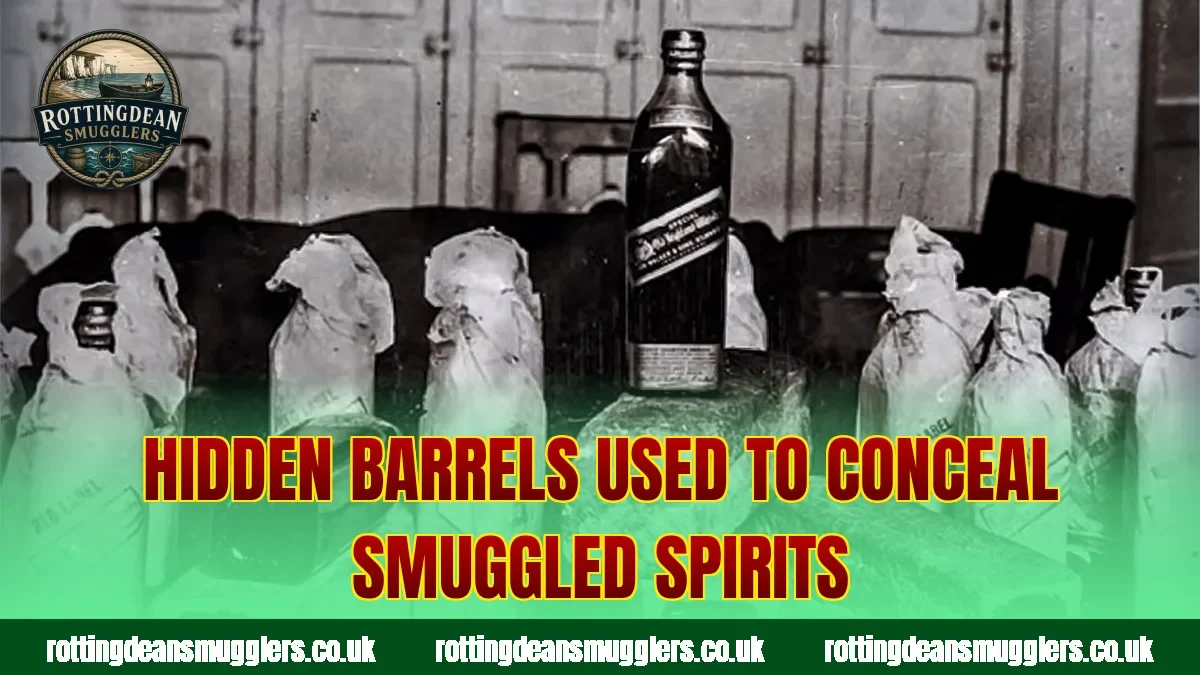
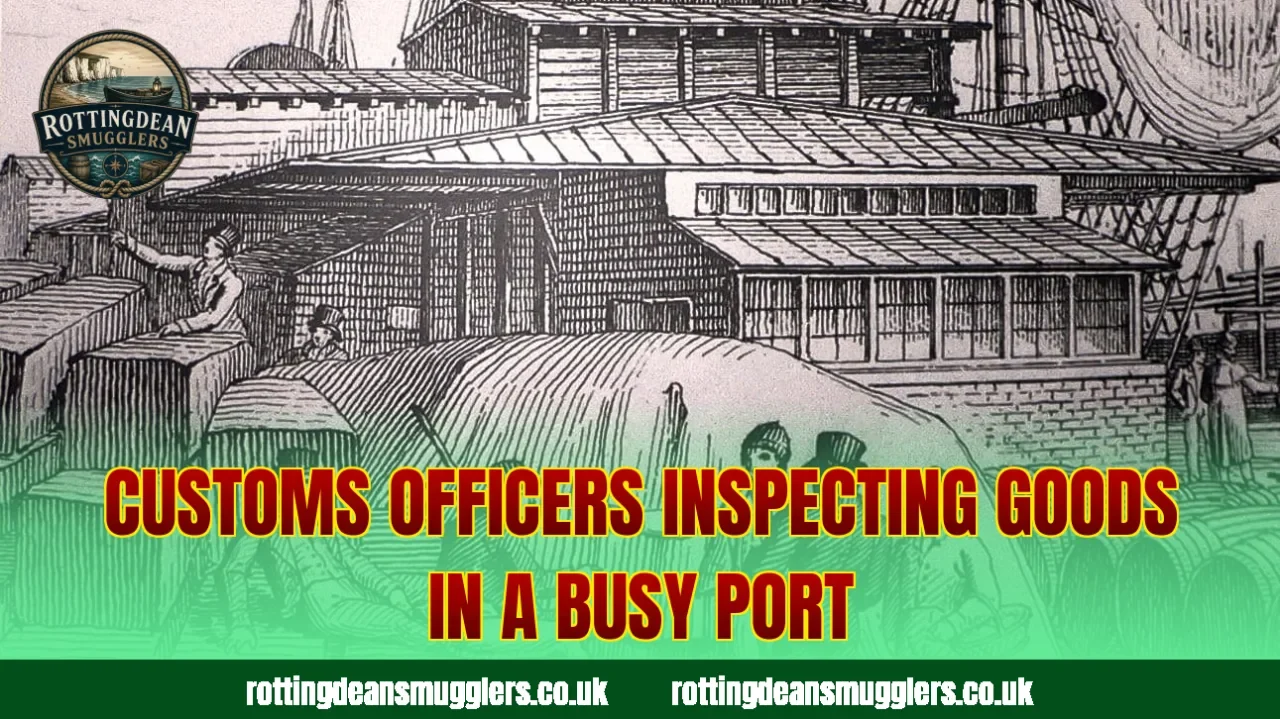
How did smugglers hide spirits in plain sight? They relied on misdirection, using everyday objects like flour sacks, fish barrels, and farm carts to conceal their illegal loads. Customs officers were often outnumbered and underpaid, making thorough inspections rare. A well-disguised cargo could pass through checkpoints without raising a single eyebrow from even the most experienced revenue man.
False containers and modified barrels
One of the most widely used methods involved specially crafted barrels with hidden inner chambers. A barrel appearing to hold salted fish or grain might contain a sealed inner layer packed with brandy or gin. These double-walled containers were built by skilled local coopers who were either paid handsomely or were themselves part of the smuggling gang. The craftsmanship was precise enough to fool a surface inspection entirely.
Underground pits and concealed cellars
Many smuggling gangs dug pits beneath farmhouses, churches, and even inns to store their haul. These concealed cellars were accessed through trapdoors hidden beneath furniture, stone slabs, or hay bales. The locations were chosen carefully, often in properties owned by sympathetic landowners who received a cut of the profits in exchange for their silence and cooperation.
How did smugglers hide spirits in coastal areas
England’s rugged coastline provided natural advantages that smugglers exploited with remarkable efficiency. Caves, coves, and sea cliffs became integral parts of a well-organised distribution network.
Sea caves and tidal hiding spots
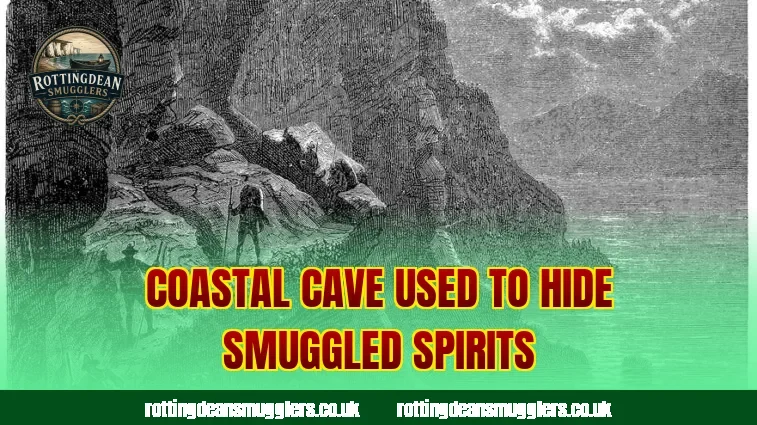
How did smugglers hide spirits near the shore? Tidal caves were among the most effective natural storage points available. Kegs of brandy were lowered into underwater caves at low tide and retrieved hours later once the coast was clear. The rhythm of the tides gave smugglers a natural timetable that revenue officers struggled to predict or monitor without local knowledge of the terrain.
Submerged kegs and weighted ropes
A particularly clever technique involved sinking spirits directly into the sea using weighted ropes and cork markers. The kegs were tied to stones or anchors and dropped overboard, with the retrieval point marked by a floating cork or a fixed landmark on the shore. This method meant that even if a smuggling vessel was boarded, there would be no incriminating cargo on deck to discover.
Cliff tunnels and chalk passages
Along the chalk cliffs of Sussex and Kent, smugglers carved or expanded natural tunnels to create hidden passageways. These routes allowed goods to be moved inland without ever appearing on a public road. Some tunnels ran for hundreds of metres, connecting beach landings directly to the cellars of local homes, inns, or churches well beyond the reach of any coastal patrol.
Secret tactics used inside towns and villages
Once spirits reached land, the challenge shifted from transportation to storage and distribution. Urban environments presented their own unique set of risks and opportunities for concealment.
Church crypts and religious buildings
How did smugglers hide spirits within the community itself? Churches were surprisingly common storage points, partly because revenue officers were reluctant to search sacred ground. Crypts and vestry rooms provided cool, dry storage conditions ideal for preserving brandy and gin. Local clergymen were not always innocent bystanders either, as some actively participated in the trade or at least turned a deliberate blind eye to what was stored beneath their feet.
Inn cellars and tavern hiding spots
Inns along smuggling routes were natural distribution hubs, and their cellars were frequently modified to include hidden rooms or false walls. A landlord who was part of the network would receive shipments late at night, storing them behind false partitions until buyers arrived. The inn’s legitimate wine stock provided perfect cover for the contraband sitting just a few feet away behind a cleverly disguised panel.
Domestic homes and everyday furniture
Ordinary households played a surprising role in the smuggling trade. Wardrobes with false backs, beds with hollow frames, and even grandfather clocks with concealed interior compartments were all used to hide small quantities of spirits. Families living along smuggling routes were often rewarded with a small keg of brandy simply for allowing their home to serve as a temporary storage point during a busy landing night.
Key hiding methods used by smugglers
The following table summarises the most documented concealment techniques used during the height of British spirit smuggling, particularly between the 17th and 19th centuries.
| Method | Location used | Effectiveness | Risk level |
|---|---|---|---|
| Double-walled barrels | Docks, farms, warehouses | Very high | Low if crafted well |
| Submerged kegs | Coastal waters | High | Medium (weather-dependent) |
| Cliff tunnels | Sussex, Kent coastlines | Very high | Low once established |
| Church crypts | Village churches | High | Low (rarely searched) |
| Inn false walls | Roadside taverns | Medium to high | Medium (informants present) |
| Domestic furniture | Private homes | Medium | Low for small quantities |
| Underground pits | Farmland, gardens | Very high | Low if location secret |
Conclusion
How did smugglers hide spirits so successfully for so long? The answer lies in community cooperation, local geography, and extraordinary human ingenuity applied under pressure. From submerged kegs to church crypts, every method reflected a deep understanding of both the landscape and the limitations of law enforcement at the time. To explore the full story behind these remarkable smuggling tactics, visit Rottingdean Smugglers and discover the living history of England’s most daring contraband trade.
Xem thêm: History of tea smuggling UK – The Forbidden Brew