The stories surrounding smugglers tunnels rottingdean continue to fascinate visitors interested in coastal history, hidden routes, and local folklore. Rottingdean Smugglers offers an accessible starting point for exploring the traditions, mysteries, and enduring tales connected to these underground passages and their place within village heritage.
Hidden pathways beneath the coastline
Beneath the dramatic shoreline, stories of hidden passages have endured for centuries. Accounts of underground routes connect maritime activity with local commerce, offering insight into how coastal communities adapted to changing economic pressures and opportunities.
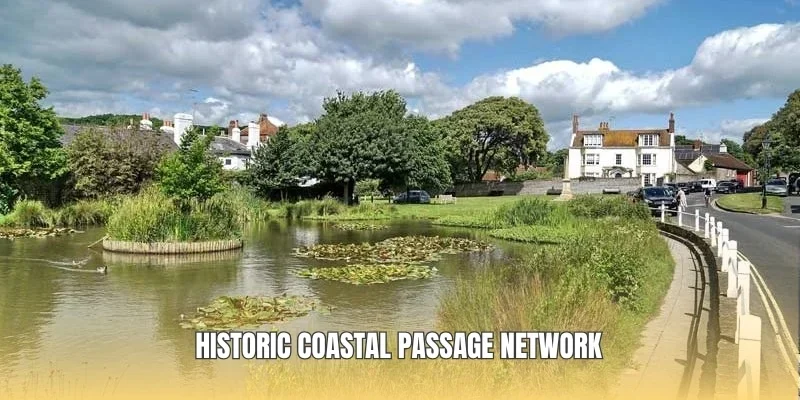
How secret routes supported coastal trade
Coastal settlements often relied on discreet transportation methods to move goods between landing points and inland destinations. During periods of heavy taxation, traders sought ways to avoid official scrutiny, particularly along isolated stretches of shoreline. Underground passages, natural chalk formations, and concealed storage areas became part of local folklore.
Many stories suggest that goods arriving by sea could be transferred quickly through less visible routes before reaching nearby settlements. While evidence varies, the practical appeal of such pathways is easy to understand. Hidden routes offered protection from weather, reduced visibility, and allowed movement during darkness when official patrols were less effective.
Clues that reveal underground connections
Interest in subterranean routes is often sparked by physical features found within older buildings and landscapes. Unexpected cellars, blocked doorways, unusual foundations, and unexplained tunnels frequently become subjects of investigation.
Researchers examining coastal communities note that many supposed smuggling tunnels were originally constructed for drainage, storage, or access between properties. However, these features can still reveal how communities adapted their built environment over time. Architectural surveys occasionally uncover signs that structures were modified, adding weight to theories that some underground connections may have served multiple purposes beyond their original design.
Rottingdean Smugglers and preserved local stories
The heritage associated with Rottingdean Smugglers helps preserve interest in these fascinating accounts. Local storytelling traditions often reference hidden routes linking coastal areas with buildings further inland, reflecting the village’s historic connection to maritime activity.
Although not every story can be verified through surviving records, preserving these narratives remains valuable. They offer insight into how previous generations understood their surroundings and interpreted unusual landscape features. Through community interest and historical exploration, these stories continue to contribute to the cultural identity of the area.
Legends passed through generations
Stories surrounding hidden tunnels have survived through family memories, local conversations, and community traditions. These accounts often blend historical possibilities with imaginative details, creating narratives that remain engaging across generations.

Tales shared by village families
Many tunnel legends owe their survival to oral history. Families have passed stories down through generations, often recounting discoveries of sealed entrances, mysterious chambers, or unexplained underground spaces beneath older properties.
Such accounts frequently contain recurring themes. Hidden routes are said to connect homes, inns, storage buildings, and coastal access points. While details may differ between storytellers, the persistence of similar narratives suggests that underground features genuinely captured local curiosity. Oral traditions also reveal how communities preserve memories long after physical evidence has disappeared.
Myths surrounding concealed entrances
Some of the most enduring legends involve secret entrances hidden beneath fireplaces, trapdoors, gardens, or church grounds. These stories often portray tunnels as elaborate networks stretching across considerable distances.
From a practical perspective, many historians remain cautious about such claims. Long underground passages require substantial engineering and maintenance, making extensive networks less likely in many circumstances. Nevertheless, smaller passageways, storage chambers, and connecting routes are more plausible. The contrast between realistic possibilities and dramatic folklore is part of what makes these stories so compelling.
Why tunnel stories remain popular today
Interest in smugglers tunnels rottingdean continues because the stories combine mystery, history, and local identity. People are naturally drawn to hidden places and unanswered questions.
Several factors help sustain their popularity:
- Hidden spaces inspire curiosity and exploration.
- Local legends strengthen community identity.
- Historical mysteries encourage ongoing research.
- Visitors enjoy discovering unique aspects of regional heritage.
- Folklore creates memorable connections to the landscape.
As long as unanswered questions remain, tunnel stories are likely to continue captivating new audiences.
Exploring historical evidence and folklore
Understanding tunnel legends requires balancing historical research with traditional storytelling. Evidence can provide valuable context, while folklore helps explain why particular narratives remain important within local culture.
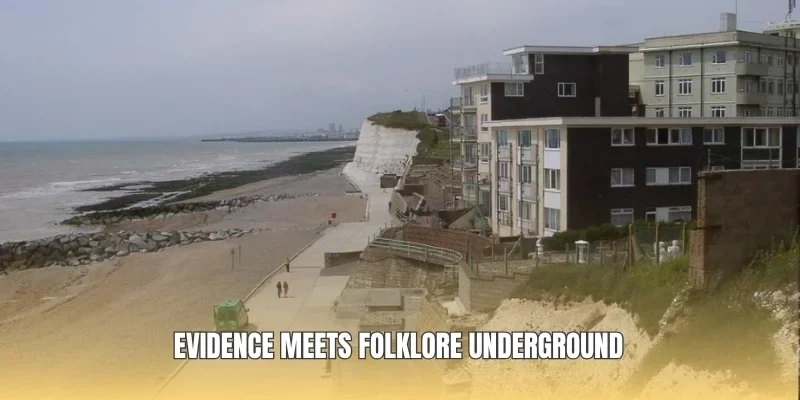
Records that mention underground activity
Historical references to underground spaces occasionally appear in property records, local accounts, and descriptions of coastal infrastructure. These documents rarely provide complete confirmation of extensive tunnel networks, but they do indicate that subterranean features existed in various forms.
| Source Type | Potential Information |
| Property records | Cellars, storage chambers, access routes |
| Local histories | References to hidden movement or trade |
| Building surveys | Structural evidence of underground spaces |
| Oral histories | Community memories and traditions |
Researchers often compare multiple sources to identify patterns and assess the reliability of particular claims.
Separating documented facts from legend
A careful examination of tunnel stories reveals the importance of distinguishing between verifiable evidence and popular tradition. Some claims can be linked to identifiable structures or recorded events, while others remain unsupported.
Expert observers often recommend considering the practical realities of construction, geography, and maintenance when evaluating underground-route claims. A modest storage passage is generally more plausible than a vast hidden network extending across great distances. By applying historical context, researchers can better understand which elements may reflect genuine activity and which likely emerged through storytelling.
What visitors can learn from local heritage
Visitors exploring local history gain more than answers about tunnels alone. They discover how coastal communities responded to economic pressures, interacted with maritime trade, and developed distinctive cultural traditions.
The stories associated with Rottingdean Smugglers illustrate how folklore and history often coexist. Even when physical evidence is limited, legends preserve valuable insights into community identity and collective memory. For many visitors, learning about smugglers tunnels rottingdean becomes an opportunity to appreciate the broader heritage of the coastline, where documented history and enduring folklore continue to shape the character of the landscape.
Conclusion
Exploring smugglers tunnels rottingdean provides valuable insight into coastal traditions, community storytelling, and the enduring appeal of local history. Rottingdean Smugglers encourages readers to continue discovering these fascinating narratives, helping preserve knowledge of the past while appreciating the cultural heritage that continues to inspire interest today.