Rottingdean history timeline reveals a village shaped by centuries of conflict, faith, smuggling, and artistic legacy along the Sussex coast. From its earliest Saxon roots to its Victorian golden age, every era left a distinct mark on this quiet clifftop community. What forces truly defined Rottingdean across the ages, and which legends still echo through its flint-walled lanes today?
Rottingdean history timeline: origins and early roots
The story of this coastal village stretches back far beyond written records, rooted in ancient land use and early settlement patterns along the South Downs. Understanding where it all began helps place each later chapter in its proper context. The Rottingdean history timeline formally opens with evidence of pre-Norman habitation, making it one of Sussex’s most layered communities.
Saxon foundations and the naming of a village
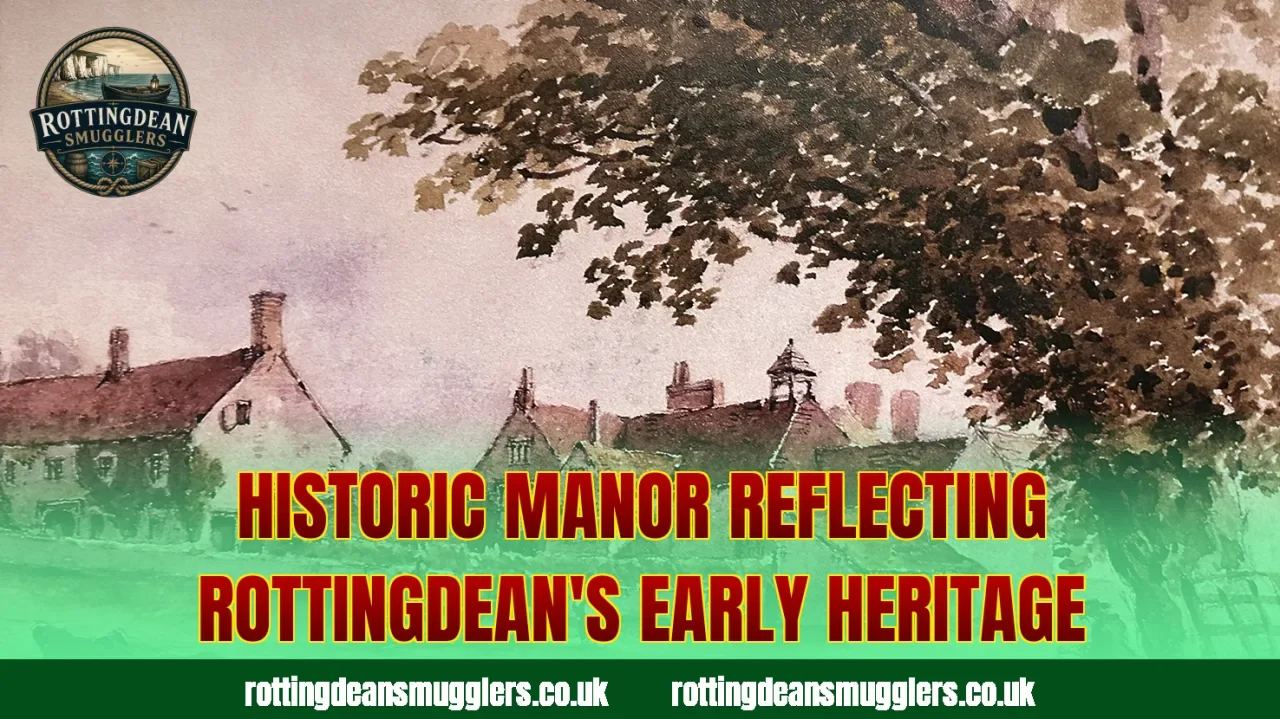
The name “Rottingdean” is believed to derive from the Old English phrase meaning “valley of Rota’s people,” pointing to a Saxon chieftain who once controlled this stretch of downland. The Rottingdean history timeline traces its earliest confirmed settlement to the late Anglo-Saxon period, when small farming communities clustered near natural freshwater sources. Archaeological finds near the village green suggest continuous habitation well before the Norman Conquest of 1066.
Norman conquest and the reshaping of local power
After 1066, the Normans reorganized land ownership across Sussex, and Rottingdean passed into the hands of powerful noble families who answered directly to the Crown. This political shift fundamentally altered the village’s social structure, introducing feudal obligations that shaped daily life for generations. The period marks a decisive turning point in the broader Rottingdean history timeline, as stone construction replaced timber and the local church gained formal ecclesiastical standing.
St. Margaret’s church and medieval parish life
St. Margaret’s Church stands as one of the oldest surviving structures in the village, with parts of its fabric dating to the twelfth and thirteenth centuries. Medieval parish records and architectural details within the church walls tell a story of community devotion, local patronage, and periodic rebuilding after coastal raids. This sacred building anchors the early medieval chapter of the Rottingdean history timeline and remains a living monument to the village’s spiritual continuity.
Rottingdean history timeline through smuggling’s golden age
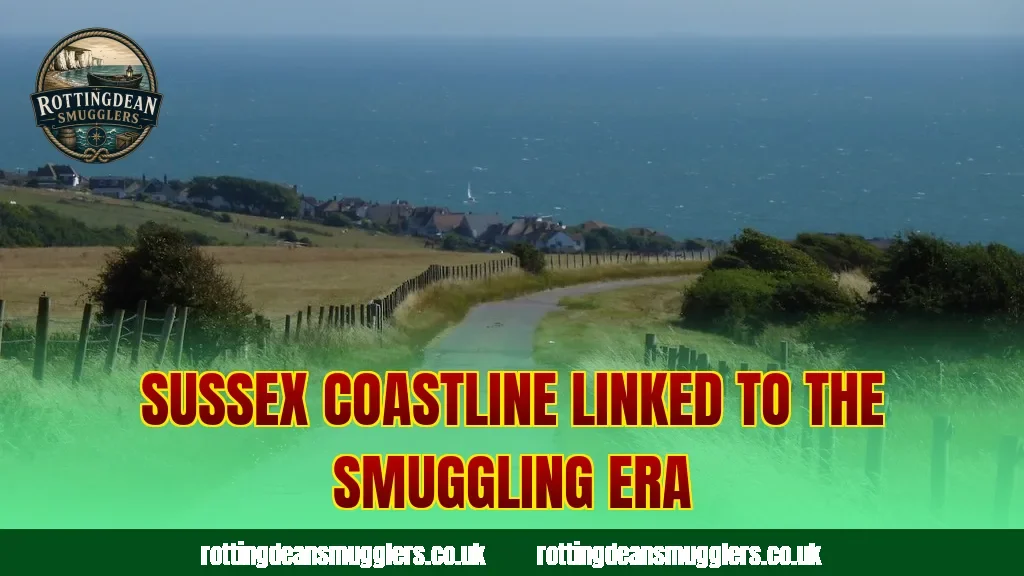
Few chapters in Rottingdean’s past are as vivid or as dangerous as the era of organized smuggling that dominated the eighteenth century. The village’s geography — its chalk cliffs, hidden valleys, and proximity to the Channel — made it a perfect hub for contraband trade. The Rottingdean history timeline during this period reads less like local history and more like an adventure novel.
The rise of the Rottingdean smuggling networks
By the early 1700s, organized smuggling gangs operated with near-impunity along the Sussex coast, and Rottingdean became one of their most reliable landing points. Brandy, tobacco, tea, and silk moved through the village’s network of tunnels and cellars under cover of darkness, with local residents often complicit in the trade. The Rottingdean history timeline records this era as both economically significant and socially complex, as even respected villagers participated in what was effectively a parallel economy.
Tunnels, taverns, and the culture of concealment
The physical infrastructure of smuggling left permanent marks on Rottingdean’s built environment, including tunnel systems that reportedly connected the beach to properties further inland. Local taverns served as distribution points and meeting places where deals were struck and lookouts were posted. Exploring the Rottingdean history timeline through this lens reveals a community that operated under two sets of rules — one official, one hidden — for much of the eighteenth century.
Revenue men, raids, and the end of an era
The British government’s increasing investment in Customs and Excise enforcement gradually eroded the smuggling networks that had flourished for decades along the Sussex coastline. High-profile raids, informants, and harsher legal penalties forced many operations underground or out of the region entirely by the early nineteenth century. This crackdown marks a significant transition in the Rottingdean history timeline, closing one of its most dramatic chapters and pushing the village toward a quieter, more respectable identity.
Victorian era: artists, writers, and transformation
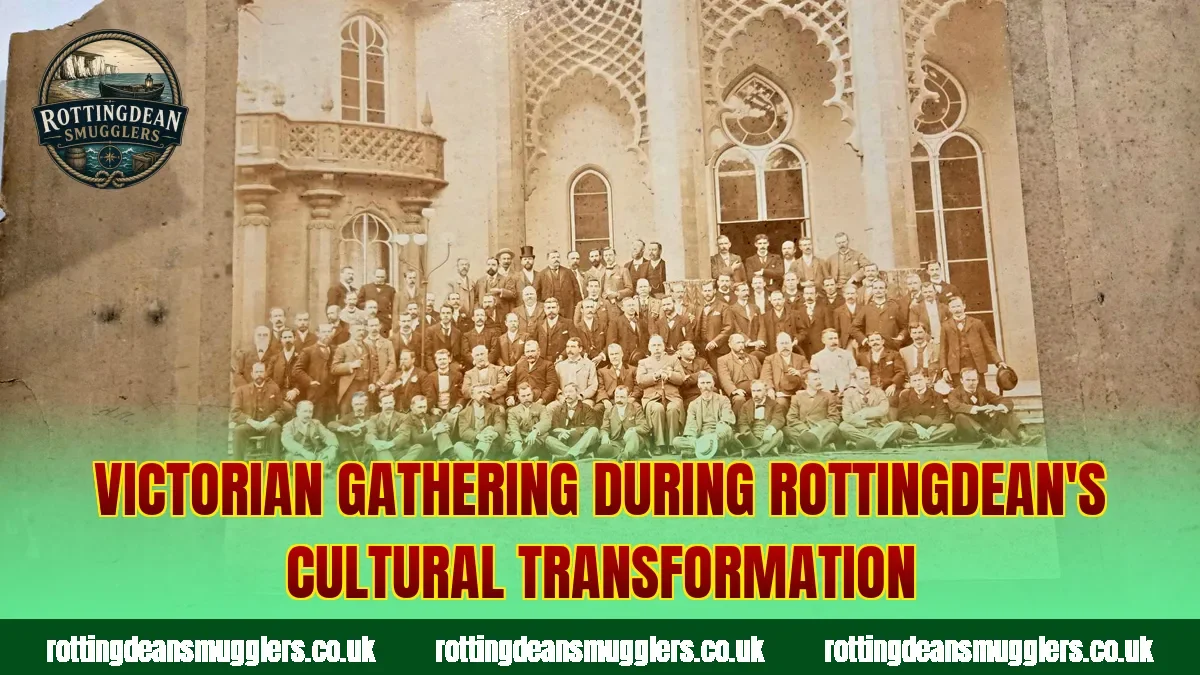
The nineteenth century brought an entirely different kind of fame to Rottingdean, as the village attracted a remarkable concentration of creative talent drawn by its coastal beauty and relative seclusion. This cultural flowering transformed its reputation from a smuggler’s haven to a retreat for England’s intellectual elite. The Rottingdean history timeline during the Victorian and Edwardian periods is rich with names that still resonate in British cultural memory.
Rudyard Kipling and the village he loved
Rudyard Kipling lived at The Elms in Rottingdean from 1897 to 1902, a period during which he wrote some of his most celebrated works, including parts of Kim and several of the Just So Stories. The village clearly inspired him, and his presence in turn elevated Rottingdean’s cultural profile significantly. Any serious examination of the Rottingdean history timeline must acknowledge Kipling’s years here as a defining moment in the village’s literary heritage.
Edward Burne-Jones and the Pre-Raphaelite connection
The Pre-Raphaelite artist Edward Burne-Jones made Rottingdean his summer home for many years, and his influence extended well beyond the canvas to include stained glass commissions for St. Margaret’s Church that are still admired today. His circle brought painters, poets, and intellectuals to the village, creating an informal artistic colony that thrived in the clifftop air. This creative legacy adds a rich visual dimension to the Rottingdean history timeline that distinguishes it from other Sussex coastal settlements.
The village pond, windmill, and evolving landscape
The iconic village pond and the restored smock mill on the hill above are physical reminders of how Rottingdean functioned as a working agricultural and fishing community even as artists gathered in its drawing rooms. These structures appear in countless paintings and photographs from the Victorian era, cementing their status as visual symbols of the village’s identity. They represent the practical, everyday layer of the Rottingdean history timeline that ran parallel to its more glamorous cultural narrative.
Key milestones across the centuries at a glance
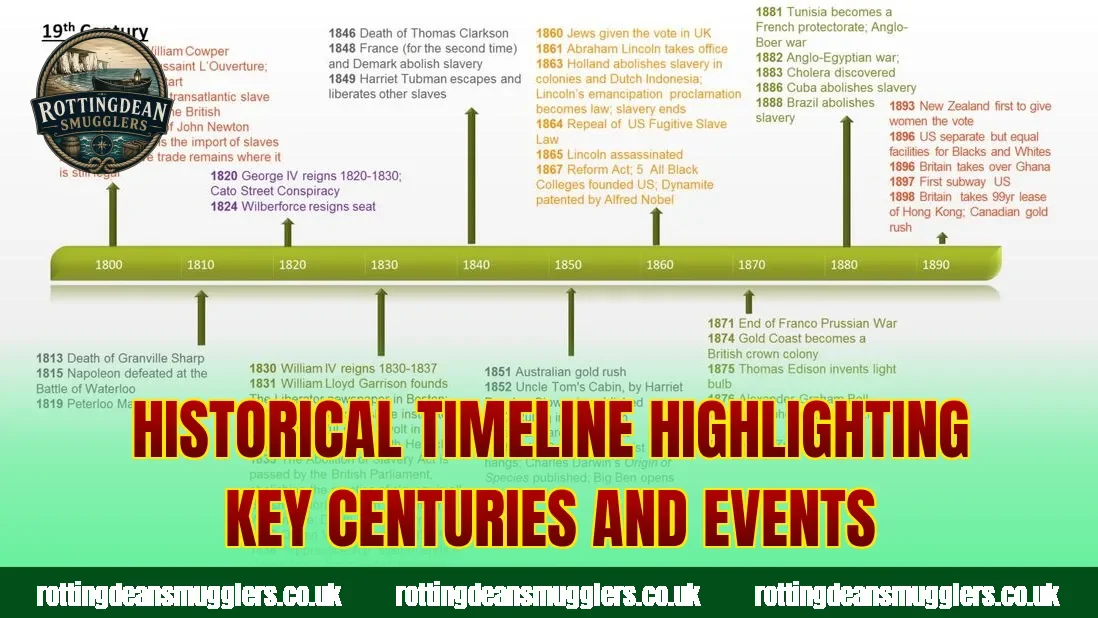
The following table summarizes the most significant events and periods that define the Rottingdean history timeline, offering a quick reference for readers who want to understand the village’s evolution at a glance.
| Period | Key event or development | Significance |
|---|---|---|
| Pre-1066 | Saxon settlement established | Origins of the village name and early community |
| 12th–13th century | St. Margaret’s Church constructed | Spiritual and architectural anchor of medieval life |
| 1377 | French raid on the village | Devastating attack that shaped coastal defence awareness |
| Early 1700s | Peak of organized smuggling activity | Economic lifeline and defining cultural chapter |
| 1897–1902 | Rudyard Kipling resides at The Elms | Literary golden age and national cultural recognition |
| Late 19th century | Edward Burne-Jones summers in the village | Pre-Raphaelite art legacy embedded in local heritage |
| 20th century | Village absorbed into Brighton boundary | Administrative change while preserving distinct identity |
Coastal raids, war, and community resilience
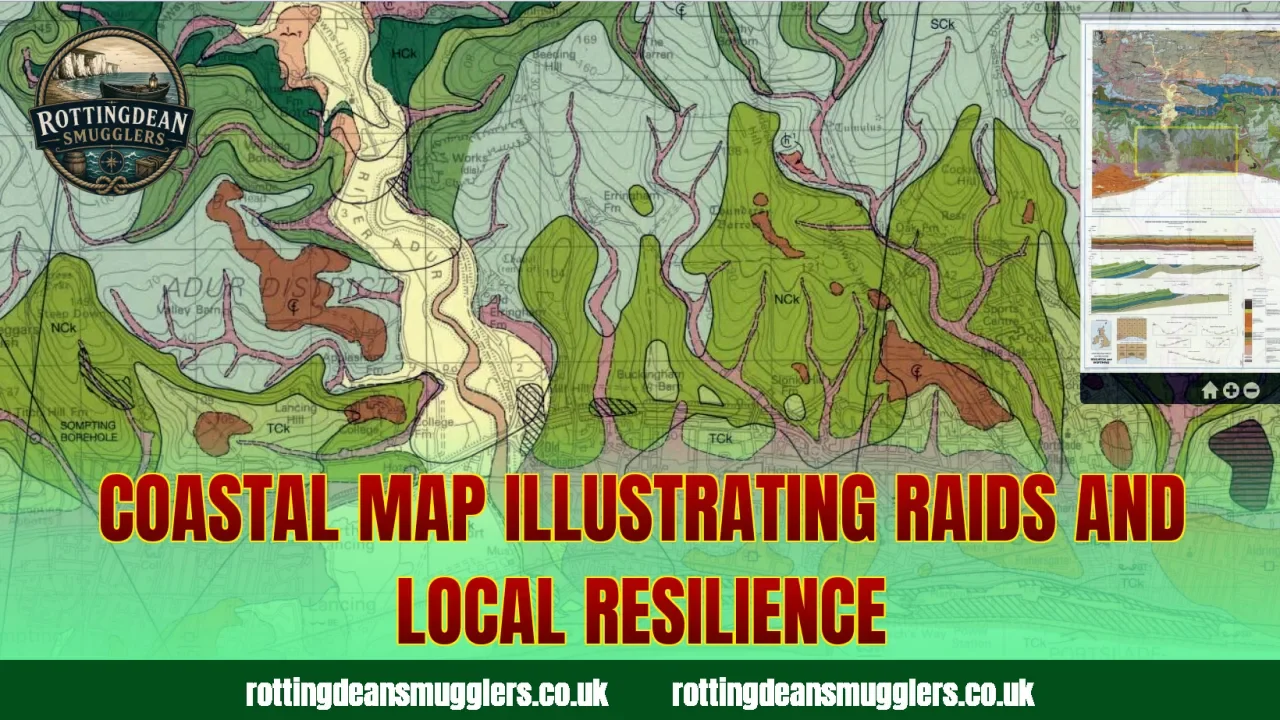
Rottingdean’s position on the Sussex coast made it vulnerable to external threats throughout its history, and the village responded to each crisis with a resilience that shaped its collective character. From medieval French raids to wartime coastal defences, conflict is woven into the fabric of local memory. The Rottingdean history timeline would be incomplete without acknowledging the moments when the sea brought danger rather than opportunity.
The French raid of 1377 and its aftermath
In 1377, French forces launched a devastating raid on the Sussex coast that struck Rottingdean with particular ferocity, burning buildings and taking prisoners including the prior of Lewes who had taken refuge there. The attack left a deep psychological scar on the community and prompted renewed attention to coastal fortification across the region. This event stands as one of the most traumatic entries in the Rottingdean history timeline, a reminder that proximity to the Channel carried genuine risk for centuries.
World War defences and the modern coastline
During both World Wars, the Sussex coast was heavily fortified, and Rottingdean’s clifftops and beach were incorporated into broader defensive networks designed to repel potential invasion. Pillboxes, barbed wire, and restricted access transformed the village’s familiar landscape into a militarized zone for much of the early twentieth century. These wartime layers add a sobering dimension to the Rottingdean history timeline, connecting the ancient village to the defining conflicts of the modern age.
Community recovery and post-war identity
After 1945, Rottingdean gradually reclaimed its peacetime identity, and a growing appreciation for its heritage led to conservation efforts that protected many of its historic buildings and open spaces. The village’s absorption into the Brighton boundary in the twentieth century threatened to dilute its distinct character, but strong community advocacy preserved much of what makes it historically significant. This period of renewal represents the most recent major chapter in the Rottingdean history timeline, one defined by memory, stewardship, and pride.
Conclusion
Rottingdean history timeline is a chronicle of extraordinary depth — from Saxon settlers and Norman lords to smugglers, poets, and wartime defenders, each era contributed something irreplaceable to this village’s identity. The layers of history here reward careful exploration, and no single visit or article can do full justice to the richness on offer. To go deeper into the legends, the contraband trade, and the characters who made this coastline famous, visit Rottingdean Smugglers and discover the full story waiting behind the flint walls.
Xem thêm: Captain Nicholas Tettersell Story – Royal Escape — Captain Nicholas Tettersell story