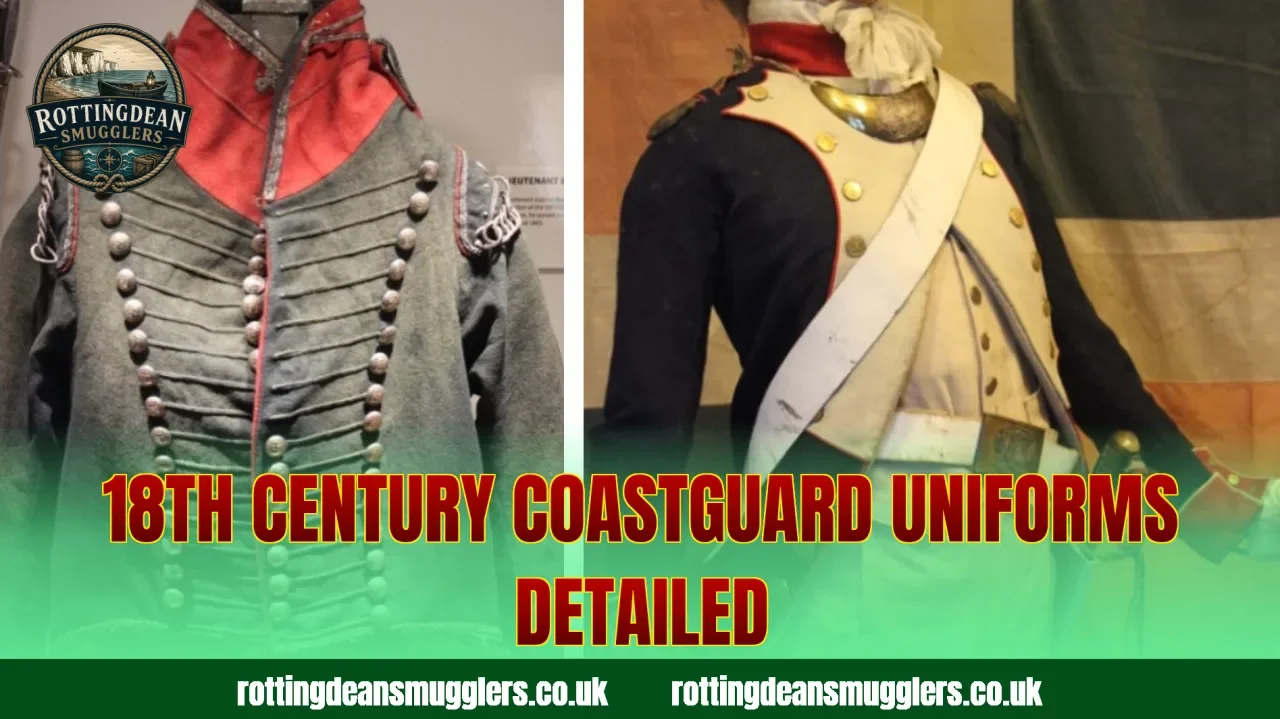
18th century coastguard uniforms stood as one of the most recognizable symbols of maritime law enforcement in Georgian Britain. These garments were far more than simple work clothing — they carried the weight of authority, practicality, and government identity along some of England’s most dangerous coastlines. From the cut of the coat to the brass […]
Lưu trữ danh mục: SMUGGLERS LIFESTYLE & ARTIFACTS
The story of smugglers lifestyle & artifacts reveals a world shaped by secrecy, resourcefulness, and coastal survival. Beginners exploring this subject can uncover how hidden networks, practical tools, and daily routines influenced local communities. Rottingdean Smugglers presents an accessible introduction to this fascinating chapter of maritime heritage.
Hidden rhythms of coastal trading communities
Coastal smuggling relied on organisation, cooperation, and local knowledge. Examining everyday routines reveals how communities adapted to the demands of secret trade while maintaining ordinary village life.
Night journeys beyond official routes
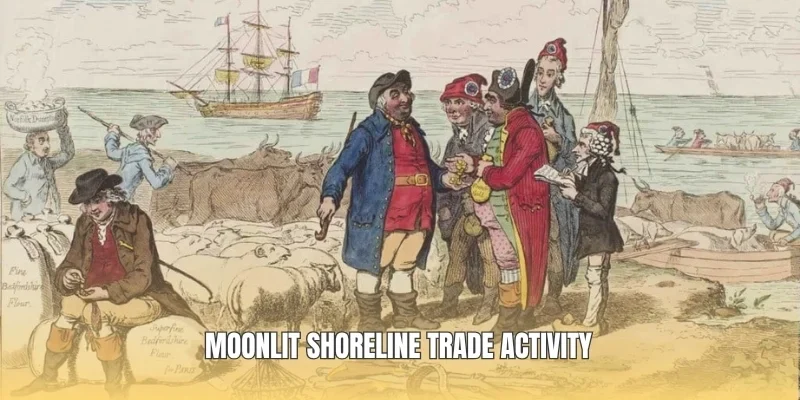
Many smuggling operations took place after dark when reduced visibility offered protection from customs officers and patrols. Crews often travelled along isolated beaches, cliff paths, and hidden inlets that were difficult to monitor. Historical researchers note that intimate knowledge of tides, weather conditions, and coastal geography was essential for success.
A practical example can be seen in southern England, where smugglers timed arrivals to coincide with favourable tides. These carefully planned movements highlight the ingenuity associated with smugglers lifestyle & artifacts, demonstrating how environmental conditions influenced every stage of an operation.
Family roles within secret operations
Contrary to popular myths, smuggling often involved entire communities rather than isolated individuals. Family members performed different roles depending on age, skills, and social position. While some transported goods, others provided storage, acted as lookouts, or managed communication between groups.
Common responsibilities included:
- Monitoring coastal approaches
- Concealing imported goods
- Delivering messages between contacts
- Maintaining boats and equipment
This level of cooperation allowed smuggling networks to function efficiently while reducing the risk of detection.
Signals used to coordinate arrivals
Communication was vital when coordinating landings and transport. Before modern technology, smugglers relied on visual and audible signals to share information across long distances. Lanterns, coded calls, and carefully positioned markers helped guide vessels towards safe landing points.
| Signal Method | Purpose |
| Lantern flashes | Indicate safe landing locations |
| Flag markers | Communicate conditions from shore |
| Horn calls | Alert teams to arrivals |
| Coastal fires | Provide guidance in darkness |
These methods demonstrate the practical skills that supported clandestine coastal trade.
Rottingdean Smugglers and the objects left behind
The surviving possessions associated with smuggling provide valuable insights into daily operations. Many artefacts reveal how participants adapted ordinary tools for specialised purposes.

Lanterns designed for discreet movement
Among the most recognisable objects linked to smuggling are specially adapted lanterns. Unlike standard lamps, some designs incorporated shutters or coverings that restricted light output, reducing visibility from a distance. This allowed crews to navigate dark coastlines while minimising the risk of attracting attention.
Experts studying maritime artefacts often emphasise how practical modifications reflected operational needs. These lanterns were not merely lighting devices; they were essential tools supporting secrecy, safety, and coordination during nighttime journeys.
Storage containers for protected cargo
Many imported goods required protection from moisture, impact, and spoilage during transport. Wooden barrels, reinforced crates, and sealed containers became indispensable components of smuggling operations. Their construction often reflected both practicality and local craftsmanship.
| Container Type | Typical Use |
| Wooden barrels | Transporting liquids and provisions |
| Reinforced crates | Protecting fragile cargo |
| Sealed chests | Concealing valuable goods |
| Canvas sacks | Carrying lightweight items |
These objects help historians understand how smuggling networks preserved and transported merchandise efficiently.
Navigation aids carried during crossings
Before electronic navigation systems existed, sailors relied on simple but effective instruments to travel safely. Compasses, charts, and tide tables were particularly valuable during coastal crossings. Collections maintained by organisations such as Rottingdean Smugglers often highlight these tools because they demonstrate the practical knowledge required for successful maritime operations.
For researchers investigating smugglers lifestyle & artifacts, navigational equipment provides evidence of the planning and expertise necessary to move goods through challenging coastal environments.
Preserving evidence of a forgotten world
Modern research continues uncovering physical traces of smuggling activity. Artefacts recovered from coastal sites and historic properties help preserve knowledge of a once-secretive way of life.
Archaeological discoveries along the shoreline
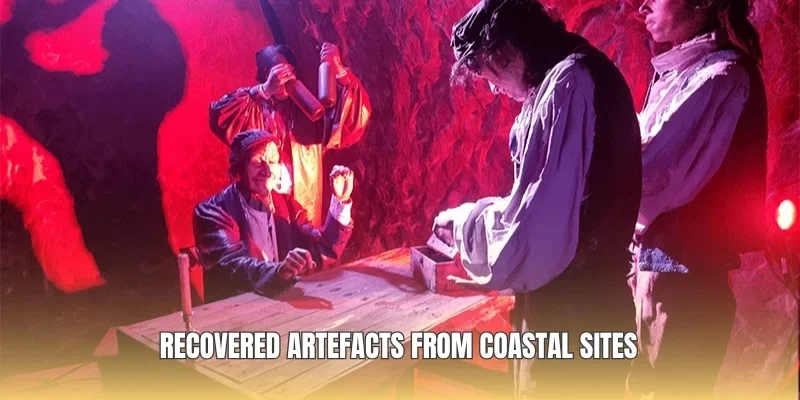
Archaeological investigations occasionally reveal objects connected to historic smuggling routes. Coastal erosion, construction projects, and systematic surveys have uncovered containers, tools, and maritime equipment buried for centuries. These discoveries contribute valuable information about trading patterns and local economic activity.
Researchers compare artefacts with documentary evidence to establish historical context. This combination of physical and written records strengthens understanding of how coastal communities participated in informal trade networks.
Interpreting household items linked to trade
Not all smuggling evidence appears dramatic or obvious. Everyday household objects can provide important clues when examined carefully. Storage vessels, imported ceramics, and unusual domestic items may indicate access to goods obtained outside official channels.
Examples frequently studied include:
- Imported pottery uncommon in local markets
- Decorative items associated with overseas trade
- Containers adapted for concealment purposes
- Household goods showing foreign origins
These findings demonstrate how smuggling influenced daily life beyond the shoreline itself.
Why historic collections remain valuable today
Historic collections preserve knowledge that might otherwise disappear. Museums, heritage organisations, and community groups work to conserve objects associated with coastal trade so future generations can understand their significance. The educational value of these collections extends beyond smuggling alone, offering insights into maritime history, local economies, and social relationships.
As interest in smugglers lifestyle & artifacts continues to grow, preserved collections help bridge the gap between legend and historical reality. Through careful interpretation and conservation, organisations including Rottingdean Smugglers ensure that the tools, containers, and personal possessions of coastal trading communities remain accessible to researchers and visitors alike. These artefacts provide a tangible connection to a hidden world that once thrived along Britain's shores, enriching our understanding of maritime heritage and community history.
Conclusion
Learning about smugglers lifestyle & artifacts provides a deeper understanding of coastal history, human ingenuity, and the challenges faced by maritime communities. Through stories, discoveries, and preserved objects, Rottingdean Smugglers helps readers connect with the past and continue exploring the remarkable legacy of these historic coastal traditions.
Brandy and silk smuggling history reveals a world of audacious criminals, secret networks, and coastal communities living double lives beneath the noses of the Crown. From the rocky shores of Sussex to the hidden cellars of inland villages, contraband trade shaped the social and economic fabric of 18th-century England in ways that textbooks rarely capture. […]
Smugglers tunnels under English pubs are among the most fascinating hidden chapters in British history, connecting centuries-old trade secrets to the charming village inns that still stand today. These subterranean passages were carved out by resourceful smugglers who used the cellars of local taverns as cover for moving contraband goods like brandy, silk, and tobacco. […]
Old maritime smuggling records UK reveal a hidden world of contraband, crime, and courtroom drama buried deep in British legal history. These documents — ranging from customs seizure logs to full trial transcripts — offer an unmatched window into how smuggling networks operated along England’s coastlines during the 17th, 18th, and 19th centuries. Court papers, […]
Historical smuggling hiding places have long captured the imagination of historians, adventurers, and curious minds alike. From secret sea caves carved into coastal cliffs to hidden tunnels running beneath village streets, these concealed spaces tell a gripping story of defiance, danger, and ingenuity. Smugglers across centuries relied on geography, darkness, and community silence to move […]

Excise men weapons 1700s shaped one of the most dangerous law enforcement roles in British history. These officers patrolled coastlines and smuggling routes armed with specific tools designed for close-quarters confrontation. Excise men weapons 1700s ranged from flintlock pistols to cavalry swords, each chosen for a practical purpose in the field. Understanding their arsenal reveals […]

Smugglers slang and terminology formed one of the most fascinating hidden languages in criminal history, built to keep outsiders in the dark. From 18th-century English coastlines to underground networks across Europe, these secret codes allowed contraband runners to communicate without detection. This article breaks down the key phrases, coded words, and hidden meanings that defined […]
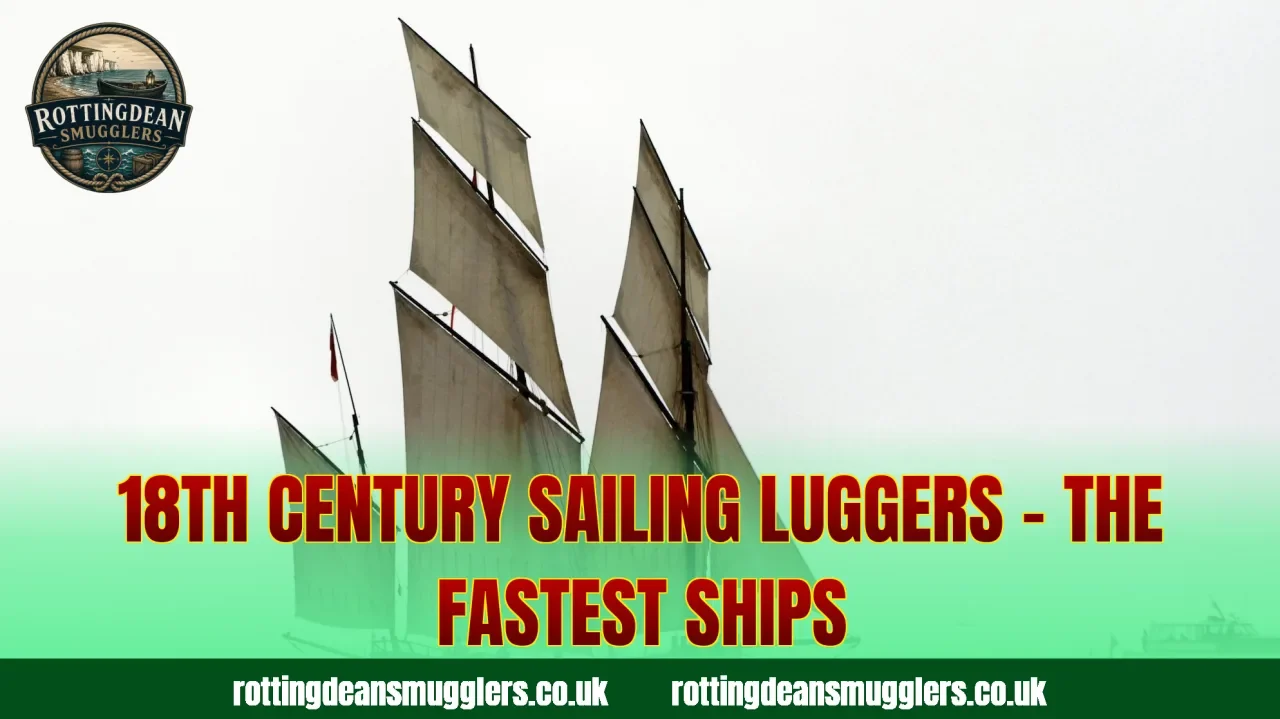
18th century sailing luggers were among the most agile and feared vessels ever built for coastal waters. These swift, multi-masted ships dominated English Channel trade routes, smuggling operations, and naval skirmishes alike. What made them so fast, so versatile, and so difficult to catch? This article explores their design secrets, historical roles, and lasting legacy […]
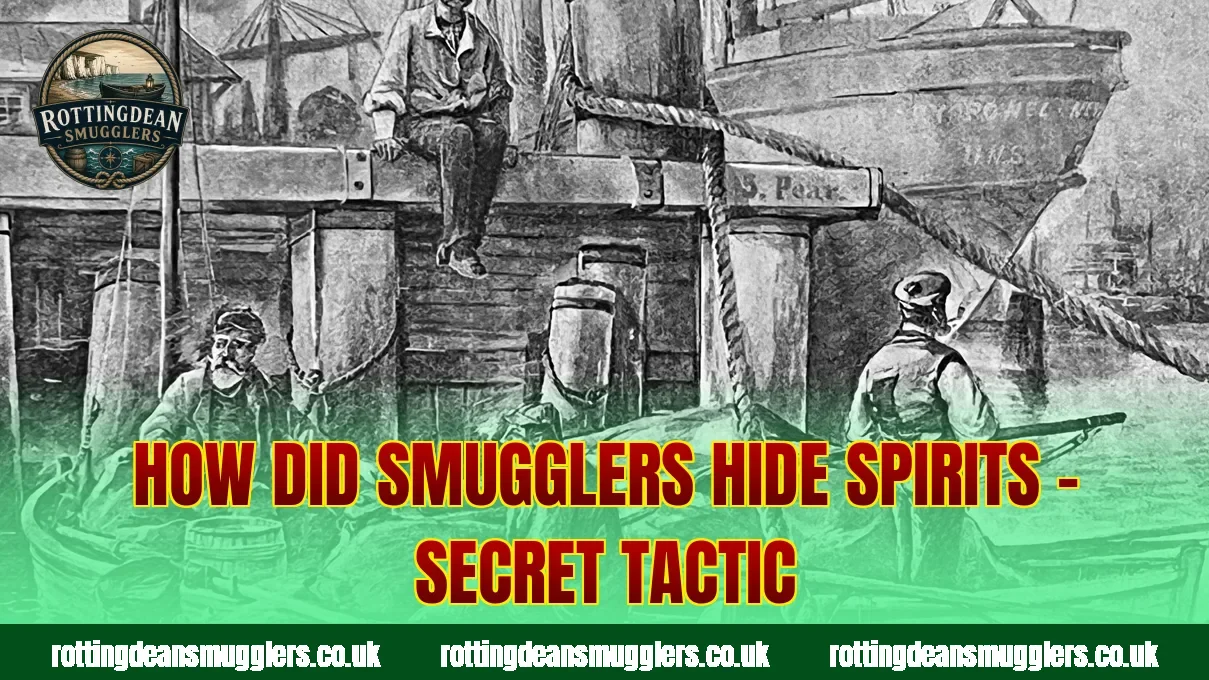
How did smugglers hide spirits during the golden age of British contraband? This question has fascinated historians, coastal villagers, and curious minds for centuries. From hollowed-out cliffs to false-bottomed barrels, the methods were as inventive as they were daring. Smugglers operating along England’s southern coastline developed a sophisticated network of concealment that baffled customs officers […]

History of tea smuggling UK is one of the most dramatic chapters in British social history, stretching across two centuries of defiance, danger, and desperate trade. When the British government imposed crippling taxes on tea imports during the 1700s, ordinary people turned to criminal networks to satisfy their daily craving for a cup of brew. […]
- 1
- 2