Customs and Excise history UK stretches back centuries, shaping how Britain controlled trade, taxed goods, and fought widespread smuggling networks. From medieval port duties to the formation of a national enforcement body, this history reveals a relentless battle between the Crown and those who defied its laws. Understanding this timeline helps us appreciate just how deeply tax enforcement has influenced British society, commerce, and coastal culture.
Customs and Excise history UK: Origins of tax enforcement
The roots of Customs and Excise history UK reach as far back as the 13th century, when English kings first imposed duties on wool exports and wine imports to fund military campaigns. These early levies were poorly regulated and inconsistently collected, creating fertile ground for evasion. Over time, the Crown recognized that stronger institutional control was necessary to protect royal revenue and stabilize the economy.
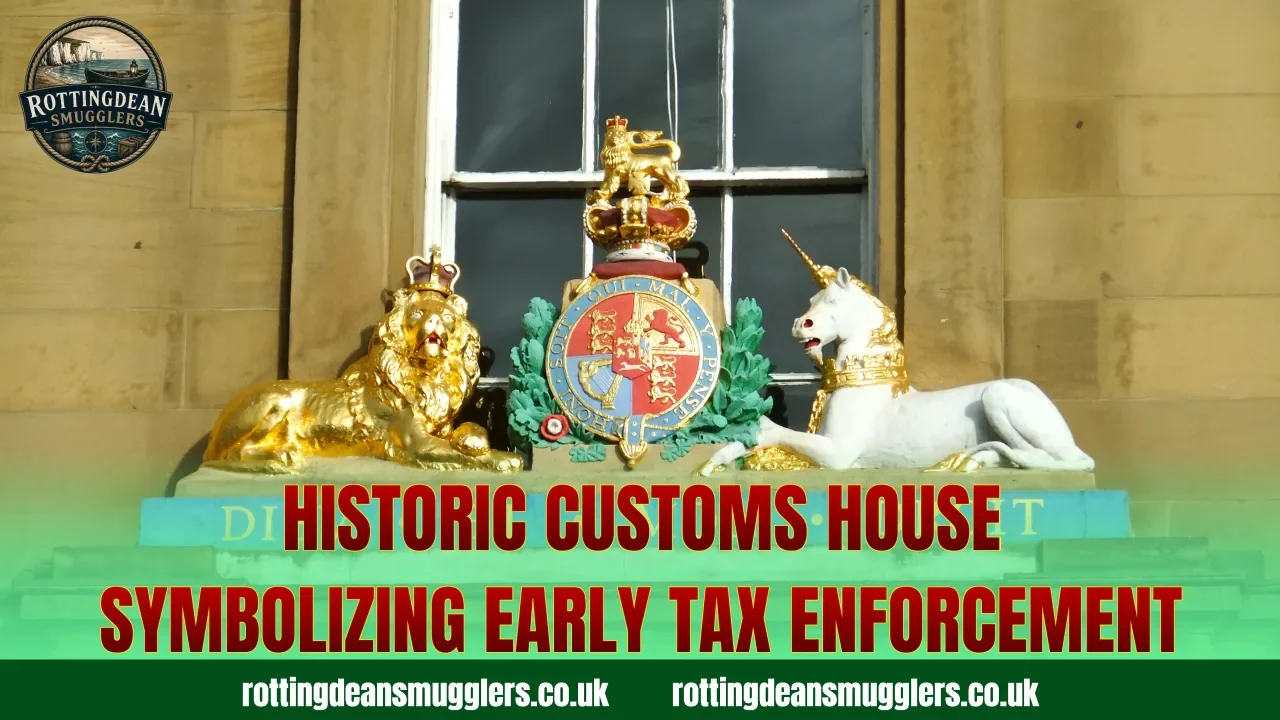
Medieval port duties and early customs collection
In Customs and Excise history UK, the first formal customs system emerged under King Edward I in 1275, establishing a standard tax on exported wool known as the “Ancient Custom.” Collectors were appointed at major ports to record cargo and collect dues, though corruption among officials was rampant. The system remained fragile but laid essential groundwork for what would eventually become a centralized revenue authority.
The Tudor era and expanding trade regulation
During the Tudor period, England’s growing maritime trade demanded a more structured approach to customs enforcement. Henry VII and Henry VIII both expanded port regulations, introducing new duties on imported cloth, spices, and luxury goods arriving from continental Europe. These reforms strengthened the Crown’s grip on commerce but also intensified the incentive for merchants and sailors to smuggle goods ashore under cover of darkness.
Stuart reforms and the rise of excise duties
The introduction of excise duties during the English Civil War in 1643 marked a significant turning point in the broader customs and excise history UK timeline. Parliament imposed domestic consumption taxes on ale, beer, cider, and other everyday goods to fund its military forces against the Royalists. This new layer of taxation created fresh resentment among ordinary citizens and traders, fueling a culture of avoidance that would persist for generations.
Customs and Excise history UK: Smuggling’s golden age
By the 18th century, smuggling had evolved from opportunistic petty crime into a highly organized industry that openly defied the state. Customs and Excise history UK during this era is inseparable from the story of armed gangs who controlled entire stretches of coastline. The Sussex coast, Kent shores, and Cornwall’s coves became notorious hotspots where contraband brandy, tea, lace, and tobacco flowed freely past overwhelmed revenue officers.

Organized smuggling gangs and coastal control
The Hawkhurst Gang, one of the most feared criminal organizations in Customs and Excise history UK, operated across Sussex and Kent during the 1740s and 1750s. They moved enormous quantities of tea and spirits, terrorizing local communities and murdering anyone who dared inform on them. Their brutal methods forced Parliament to pass the Death Act of 1746, making armed smuggling a capital offense in an attempt to crush the trade.
Revenue cutters and the war at sea
To counter the smuggling fleets, the Customs Board commissioned fast revenue cutters to patrol coastal waters and intercept contraband vessels. These small, nimble ships engaged in genuine naval skirmishes with armed smugglers who fought to protect their cargo. The ongoing conflict at sea became a defining feature of customs and excise history UK, demonstrating how seriously the government took the financial threat posed by large-scale evasion.
Riding officers and land-based enforcement
On land, riding officers patrolled cliff tops and country roads, attempting to intercept smuggled goods being carried inland from the coast. These officers worked largely alone and were frequently outnumbered, bribed, or threatened into silence by well-armed gangs. Their dangerous and often thankless work nonetheless represented the human face of enforcement in an era when the state was still building its capacity to police the nation’s borders effectively.
| Period | Key development | Impact on enforcement |
|---|---|---|
| 1275 | Ancient Custom on wool exports | First formal customs collection at English ports |
| 1643 | Introduction of excise duties | Domestic consumption taxes created new evasion incentives |
| 1746 | Death Act against armed smuggling | Capital punishment introduced for organized contraband gangs |
| 1787 | Consolidation of Customs Board | Unified administration replaced fragmented local collection |
| 1909 | Board of Customs and Excise formed | Single national body created to oversee all revenue enforcement |
| 2005 | Merger into HMRC | Customs and Excise absorbed into Her Majesty’s Revenue and Customs |
How customs enforcement shaped modern British institutions
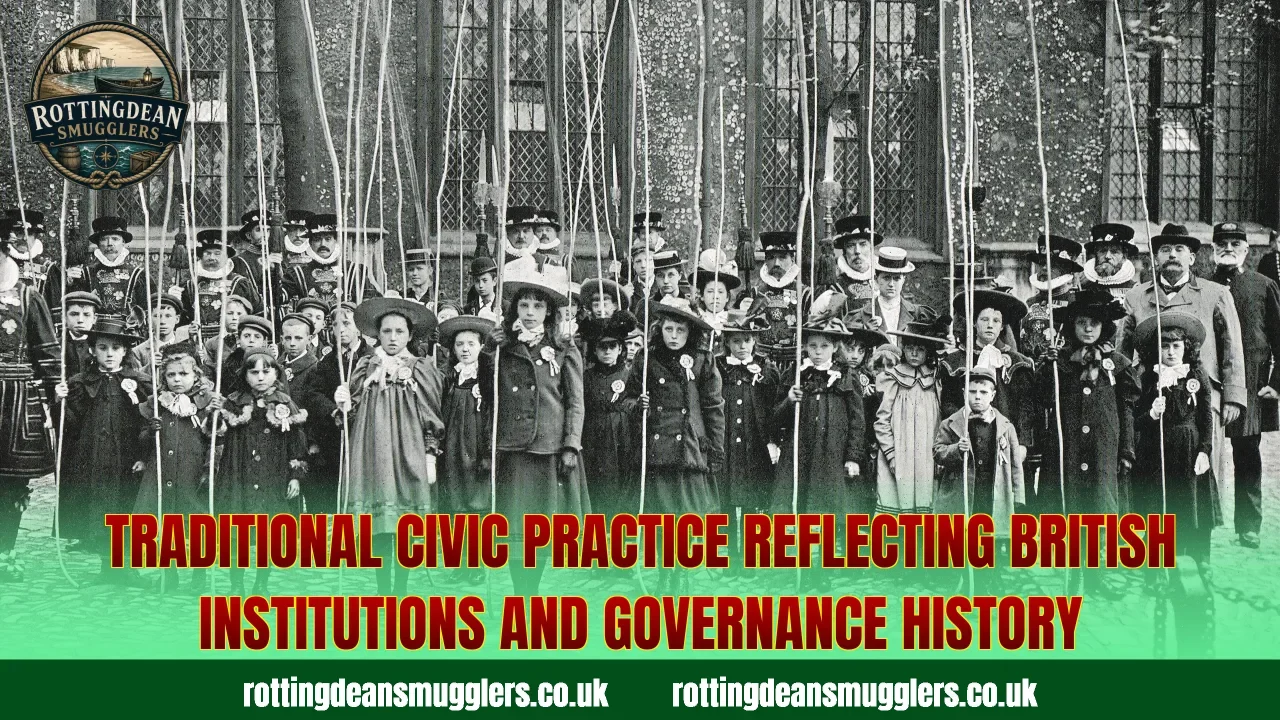
The long arc of customs and excise history UK ultimately produced the institutional frameworks that govern trade and taxation today. Each era of reform responded directly to the failures and abuses of the system that came before it, gradually building a more professional, accountable, and effective enforcement apparatus. The lessons learned from centuries of smuggling, corruption, and evasion remain deeply embedded in how Britain regulates its borders and collects public revenue.
The 1787 consolidation and administrative reform
Prime Minister William Pitt the Younger undertook sweeping reforms in 1787, consolidating dozens of overlapping customs duties into a cleaner, more enforceable tariff structure. His approach recognized that excessively high duties were actually encouraging smuggling rather than deterring it, and that reducing rates could increase overall revenue by making legal trade more attractive. This pragmatic insight transformed customs and excise history UK from a story of brute enforcement into one of intelligent fiscal policy.
The 1909 merger and professional revenue service
The formal creation of the Board of Customs and Excise in 1909 unified two previously separate departments under a single administrative structure, bringing greater consistency to how duties were assessed and collected across the country. Officers became salaried professionals with defined responsibilities rather than fee-earning collectors with personal financial incentives to over-assess goods. This shift elevated standards and reduced the endemic corruption that had plagued earlier incarnations of the service throughout its long history.
From HMCE to HMRC: The modern transition
In 2005, Her Majesty’s Customs and Excise was merged with the Inland Revenue to form Her Majesty’s Revenue and Customs, marking the end of a distinct institutional identity that had existed in various forms for over seven centuries. The merger reflected a modern understanding that income tax, VAT, and customs duties are all interconnected aspects of a single national revenue system. Today, HMRC continues the work that began in medieval English ports, though the methods, scale, and legal frameworks have changed beyond recognition.
Conclusion
Customs and Excise history UK is a rich and often dramatic story of governments, criminals, reformers, and ordinary people locked in a perpetual contest over who controls trade and taxation. From Edward I’s wool duties to the creation of HMRC, each chapter reveals how enforcement evolved in direct response to the ingenuity of those who sought to evade it. To explore more of the smuggling stories that shaped Britain’s southern coast, visit Rottingdean Smugglers and discover the hidden history beneath the cliffs.
See more: The Black Rock gang Sussex tales by Rottingdean Smugglers